Explore Common Causes Symptoms and Relief for Sciatica Pain
Understanding Sciatica Common Causes and Symptoms
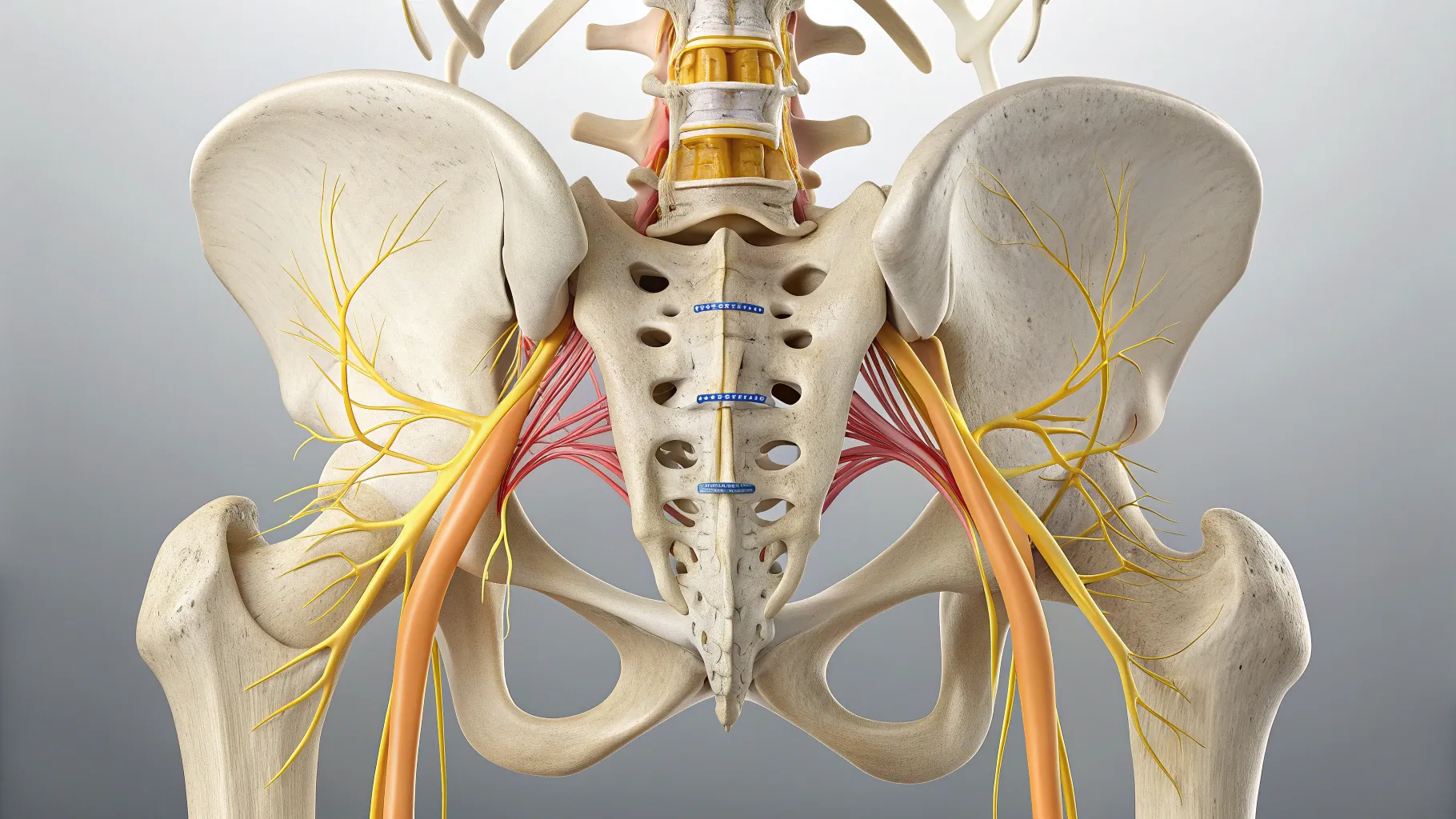
Sciatica is a term frequently mentioned yet often misinterpreted. It refers to pain that radiates along the path of the sciatic nerve, which is one of the largest nerves in the body. This nerve extends from the lower back, through the hips and buttocks, and down each leg. As of 2025, it's estimated that approximately 40% of individuals will experience sciatica at some stage in their lives. Gaining insight into the common causes of sciatica is vital not only for understanding the phenomenon but also for individuals impacted to seek appropriate treatment.
What Causes Sciatica Pain
Understanding the underlying reasons for sciatica can significantly alleviate concerns and guide individuals toward effective management. Here are some prevalent culprits:
- Herniated Discs: The most frequent cause, where the cartilage between the vertebrae protrudes or ruptures, exerting pressure on the sciatic nerve. Statistics show that about 80% of patients with sciatica show signs of herniated discs.
- Spinal Stenosis: This condition involves a narrowing of the spinal canal, often occurring with age, which can compress nerves. Data from health studies in 2025 indicate that spinal stenosis affects over 10% of older adults.
- Degenerative Disc Disease: As people age, their spinal discs may lose hydration and elasticity. This degeneration can result in discomfort and increased pressure on nerves, contributing to sciatica symptoms.
- Spondylolisthesis: This occurs when one of the vertebrae slips out of place, potentially setting off a chain reaction of nerve irritation or compression.
- Piriformis Syndrome: A lesser-known contributor, here, the piriformis muscle, located deep in the buttock, can cause discomfort by irritating the sciatic nerve due to spasms or tightness.
Identifying these causes is crucial for timely intervention. Individuals frequently describe symptoms as chronic or sharp leg pain, which generally affects one side of the body.
Recognizing Symptoms of Sciatica
The symptoms of sciatica can differ greatly from person to person, leading to physical discomfort and emotional stress. Here's a breakdown of common symptoms to watch for:
- Sharp Pain: Often experienced as a burning sensation that travels from the lower back into the legs, causing significant discomfort.
- Numbness or Tingling: This sensation, fairly common in sciatica sufferers, may feel like pins and needles, commonly affecting the lower back, buttocks, or legs.
- Weakness: Some individuals report weakness in their affected leg, complicating everyday tasks like walking and balancing.
- Exacerbating Pain: Movements such as sitting, sneezing, or coughing can intensify the discomfort, creating challenges in daily life.
Recognizing these symptoms is paramount for effective self-care and timely medical intervention. Although the pain may be intense, sciatica can sometimes resolve on its own. The variability in pain levels can significantly influence a person's quality of life, hindering work, exercise routines, and leisure activities.
Mapping Out Diagnosis and Safe Management of Sciatica
To diagnose sciatica accurately, practitioners first engage with patients to review their medical history and symptom experiences. Following this discussion, a physical examination will help physicians assess nerve root irritation and leg strength. As further confirmation, imaging tests like MRIs or CT scans may be warranted to investigate spine-related issues.
In the past six months, the healthcare community has increasingly adopted a multifaceted approach to managing sciatica safely and effectively. Key strategies include:
- Physical Therapy: Working with certified therapists allows patients to access personalized exercise and stretching routines to enhance their strength, flexibility, and posture.
- Medications: A blend of over-the-counter pain relief options and anti-inflammatory medications may be prescribed to reduce discomfort.
- Corticosteroid Injections: These injections can significantly decrease inflammation surrounding nerve roots, providing considerable pain relief.
- Surgical Options: In rare instances where conservative therapies fall short, surgical options may be discussed to relieve pressure on the sciatic nerve.
Each of these management techniques emphasizes safety and aims to prevent complications while reducing recurrence.
Effective Ways to Alleviate Lower Back and Leg Pain
Individuals grappling with sciatica are often keen on finding ways to relieve persistent discomfort. Here are some practical solutions for easing lower back and leg pain:
- Application of Heat and Cold: Utilizing heat or cold packs can provide immediate relief, especially after activities that may aggravate the pain.
- Gentle Activity Changes: Although rest appears appealing, staying moderately active is beneficial. Aim for movements that promote mobility without exacerbating pain.
- Stress Management Techniques: Embracing practices like meditation, yoga, or deep breathing can alleviate the pain's emotional ramifications.
In addition to these approaches, incorporating specific exercises into your daily routine can yield noticeable benefits. Consider the following practices:
- Stretching: Gentle stretches for the lower back and hamstrings can help to relieve tension effectively.
- Strengthening Exercises: Engaging in core-strengthening exercises offers much-needed stability and support for the back.
- Focus on Posture: Adopting good posture while sitting, standing, and in daily movements can promote overall back health.
By incorporating these exercises regularly and emphasizing proper posture, individuals can significantly manage sciatica symptoms. Consulting with healthcare providers before starting any new exercise regimens ensures the safest and most effective strategy.
By understanding the causes of sciatica, recognizing its symptoms, and exploring effective relief strategies, you can empower yourself to take control of your health. Taking prompt action not only aids in addressing current discomfort but can also mitigate the risk of future episodes.