Explore Scenic Villages Along the Spanish Coast
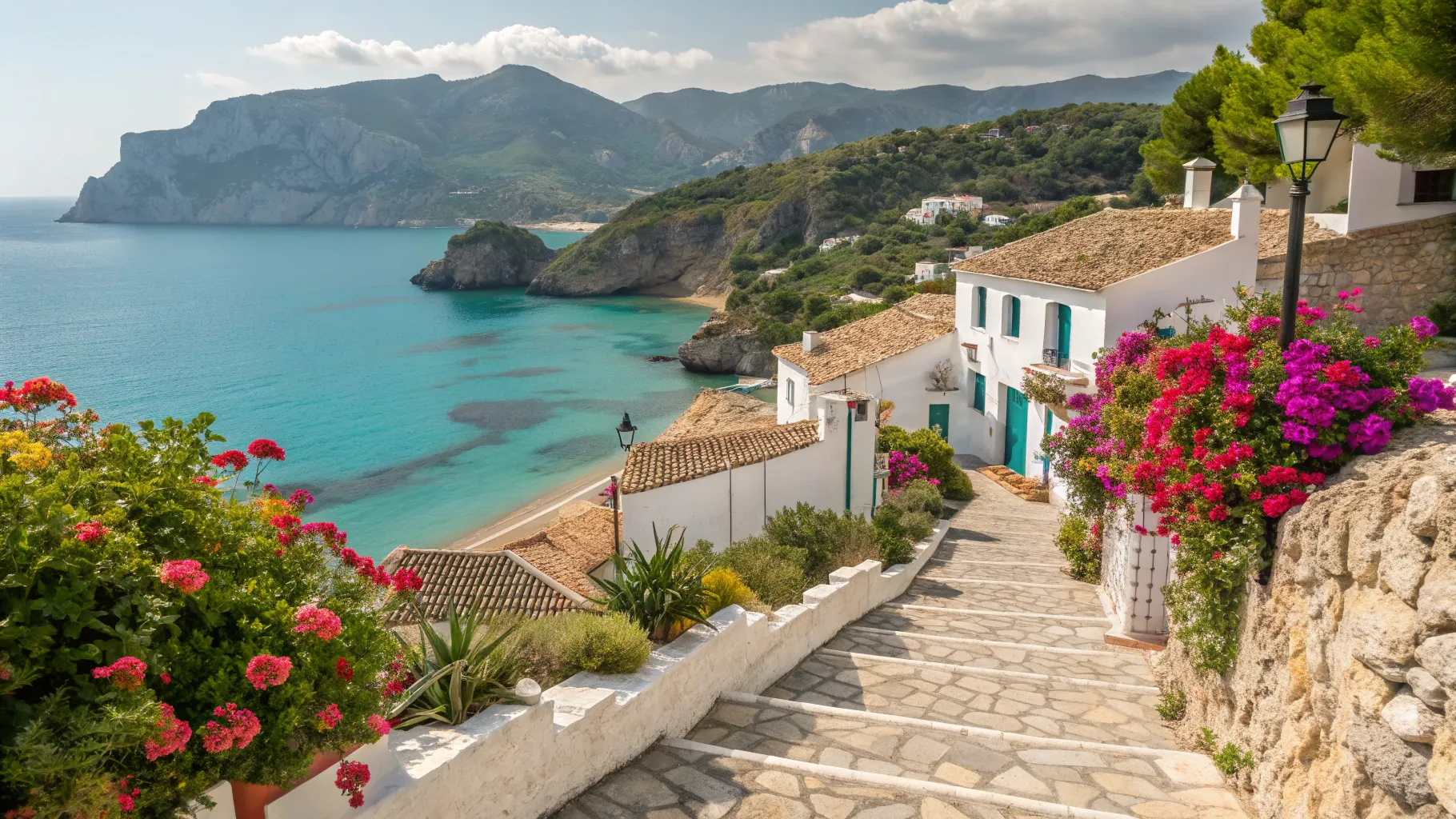
Scenic Villages Along the Spanish Coast Travel Guide
Spain's coastline stretches for over 4,000 kilometers, offering a treasure trove of vibrant culture, stunning landscapes, and alluring charm in its scenic villages. These coastal villages are an essential part of Spain’s rich tapestry, each telling its own story through tradition, architecture, and gastronomic delights. If you are looking for an immersive travel experience, exploring the scenic villages along the Spanish coast is an opportunity not to miss.
Examples of Coastal Villages in Spain with Cultural Highlights
Among the myriad of picturesque coastal villages that dot the Spanish coastline, a few stand out for their unique characteristics and cultural significance.
- Cadaqués: Nestled in Catalonia, Cadaqués is famous for its whitewashed houses and the area’s artistic heritage. Salvador Dalí spent much of his life here, infusing the village with creativity. Visitors often stroll through the beautiful streets, taking in art galleries and local boutiques. Don't miss a chance to explore the stunning landscapes of the nearby Cap de Creus Natural Park.
- Ronda: Though not directly on the shoreline, Ronda is a step away from the Costa del Sol and makes for an exceptional day trip. The village is renowned for its dramatic cliffs and the iconic Puente Nuevo bridge. With its rich bullfighting culture, Ronda’s annual Feria celebrates this tradition every September, offering a glimpse into the local lifestyle.
- Frigiliana: Known for its narrow winding streets and white houses adorned with colorful flowers, Frigiliana is a Moorish village located in Andalusia. Its cultural roots are deep-seated, with influences dating back to the 9th century. The village hosts the annual Festival of Three Cultures, which celebrates the coexistence of Christian, Muslim, and Jewish cultures.
- San Vicente de la Barquera: In Cantabria, this fishing village boasts a backdrop of mountains and a picture-perfect coastline. San Vicente is famous for its medieval architecture—particularly the Church of Santa Maria—and its local seafood cuisine. The village’s annual seafood festival in late August attracts food lovers keen on sampling local delicacies.
What to Know About Spanish Seaside Traditions
Spanish coastal villages brim with cultural traditions that have been preserved over centuries. From culinary practices to local celebrations, these customs offer a window into the Spanish way of life.
A major highlight of Spanish seaside tradition is the focus on fresh seafood. Many coastal villages still uphold the age-old tradition of fishing, with local markets bustling with the day’s catch. Fishermen often share their expertise, welcoming visitors to join them on early morning excursions. This communal activity not only supports local economies but also fosters a strong sense of community and connection to the sea.
In addition, festivals play a significant role in village life. For instance, in villages like San Sebastián, the annual La Tamborrada festival, held in January, witnesses locals drumming their way through the streets in traditional outfits—an event filled with pride and cultural significance. Celebrations like these offer a unique interaction point for travelers, allowing them to experience the local culture firsthand.
How Travelers Explore Fishing Villages on the Spanish Coast
Travelers have various avenues to explore the charming fishing villages of Spain. While some prefer guided tours that delve into the historical and cultural aspects of these coastal gems, others opt for self-guided adventures that allow for a more personal experience.
One highly popular method is embarking on culinary tours. Food is a core part of the experience, with many travelers signing up for cooking classes that focus on local seafood dishes. For example, participants might learn to prepare traditional paella or seafood tapas, often using ingredients sourced straight from the local fish market.
Nature lovers can take to the coastal paths, many of which are well-marked and showcase breathtaking views of cliffs and beaches. Trails like the sendero del río Chíllar in Nerja lead hikers through stunning landscapes, offering opportunities for wildlife spotting and a deeper appreciation for the natural beauty that surrounds these villages.
Cultural festivals provide another avenue for exploration. Participating in local events allows travelers to engage with the community, witness traditional performances, and enjoy local foods. Many villages have their annual fiestas dedicated to patrons saints, showcasing a vibrant tapestry of music, dance, and tradition.
Educational Guide to Scenic Destinations in Coastal Spain
For those seeking a deeper understanding of Spanish coastal culture, several resources and guides are available. Regional tourism websites often provide excellent insights into local history and tips on where to visit. Additionally, engaging with local guides can offer valuable firsthand knowledge, unveiling stories that books might not cover.
Many travel bloggers and websites also share detailed itineraries focusing on various coastal regions, making it easier for travelers to plan their trips. Apps that focus on language learning can enhance interactions, allowing visitors to connect better with locals and understand more about their customs.
In summary, the scenic villages along the Spanish coast represent much more than just beautiful landscapes. They embody a way of life steeped in rich traditions, community spirit, and culinary exploration. Whether you’re a history buff, a food enthusiast, or simply looking to relax amidst stunning vistas, Spain’s coastal villages promise memorable experiences that resonate with visitors long after they leave.