Explore Mobility Aids for Seniors at Home Today
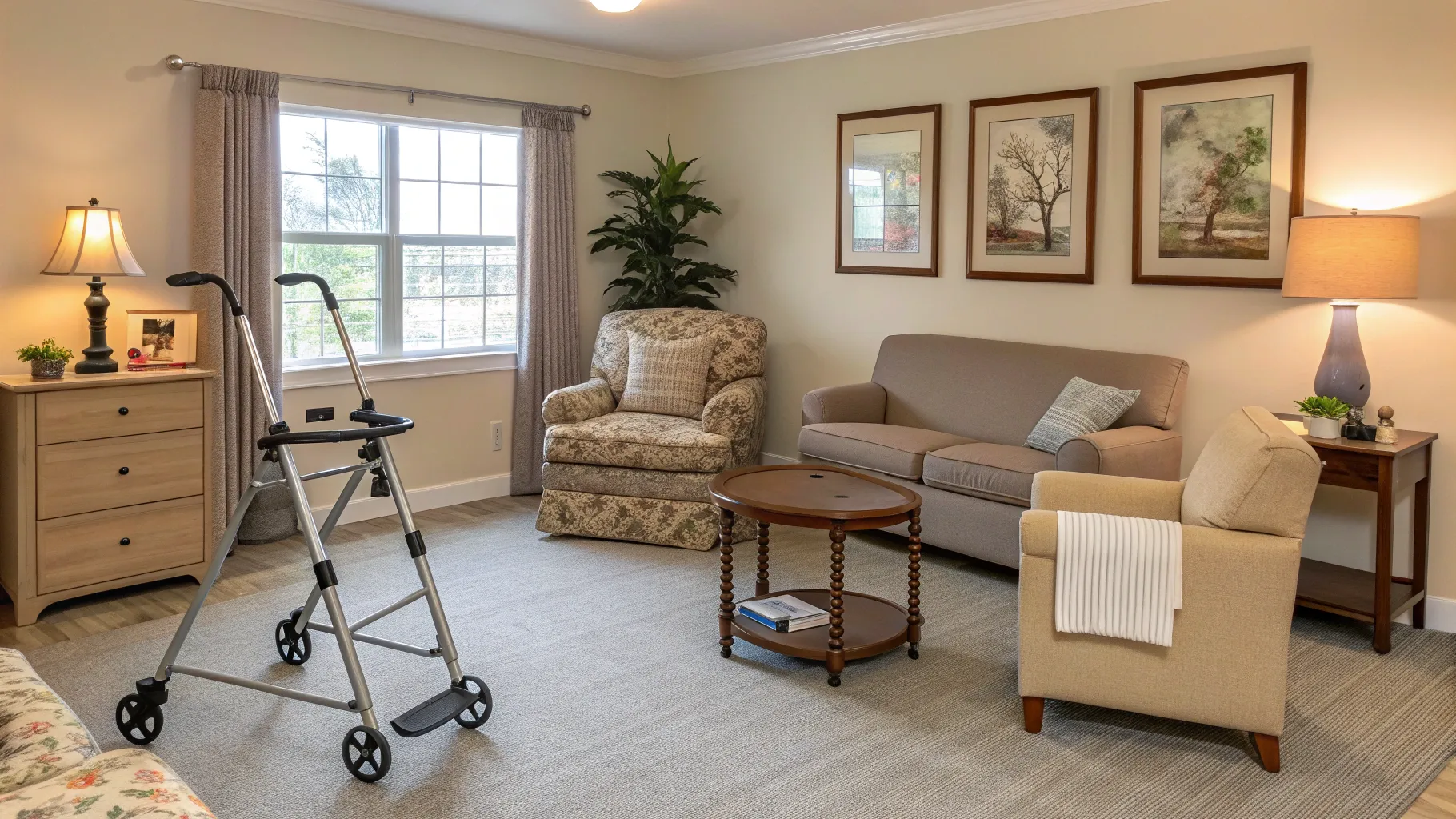
Mobility Aids That Support Seniors at Home Explained
In 2025, supporting seniors at home has become a priority as our population ages. With advancements in technology and a better understanding of mobility issues, various mobility aids have emerged that address the needs of older adults. Mobility aids are devices specifically designed to assist individuals with limited mobility, enhancing their independence and overall quality of life. This article explores these aids, what to know about them, and how seniors can use them effectively in daily living.
Understanding the Importance of Home Mobility Devices for Older Adults
Statistics show that approximately 20% of adults aged 65 and older experience some form of mobility limitation. This number has been steadily increasing over the past few years, leading to a growing demand for devices that can make daily tasks easier and safer for seniors. Home mobility devices are particularly beneficial for managing activities of daily living, which can include bathing, walking, and even meal preparation.
Seniors using mobility aids report a significant improvement in their independence. For instance, studies conducted in the last year indicate that over 75% of older adults who use mobility devices feel more confident in their ability to navigate their home environments. This newfound confidence can lead to better mental health and overall well-being as seniors feel less restricted by their physical limitations.
Examples of Common Mobility Aids for Daily Living
The market today offers a range of mobility aids tailored for various levels of independence and mobility needs. Here are some popular options:
- Walkers: These are supportive frames that assist with balance and stability. They come in various styles including standard walkers, rolling walkers, and even adjustable models to suit individual needs.
- Canes: A simple yet effective tool for providing balance and support while walking, canes come in different designs such as single-point canes or quad canes for more support.
- Crutches: Used during recovery from surgery or injury, crutches help to redistribute body weight off of the injured area.
- Wheelchairs: For those with significant mobility limitations, manual and powered wheelchairs offer a means to navigate larger distances both inside and outside the home.
- Bathroom Safety Aids: Items like grab bars, shower chairs, and raised toilet seats help seniors remain safe and comfortable in the bathroom, reducing the risk of falls.
- Lifts and Hoists: These devices assist seniors in transferring between different locations, such as from a bed to a wheelchair, increasing their safety and comfort.
Several case studies highlight the impact of these aids. For example, Sarah, a 72-year-old woman who has arthritis, recently began using a rolling walker and reported that it has transformed her day-to-day life. She can now move safely from room to room and even engage in more activities, like gardening, that she enjoyed before her mobility issues developed.
How Seniors Use Mobility Aids to Improve Independence at Home
The proper use of mobility aids can significantly enhance independence for older adults. Here are some essential considerations for optimizing the benefits of these devices:
- Proper Fit and Adjustment: Whether using a walker or a wheelchair, ensuring the device is appropriately adjusted to fit the user’s height and weight is crucial. A poorly fitted device can lead to discomfort or, worse, accidents.
- Regular Maintenance: Keeping mobility aids in good working condition is essential for safety. This includes checking for any wear and tear and ensuring that brakes on wheelchairs and walkers are functioning correctly.
- Training and Education: Many organizations offer training sessions for seniors to learn how to use mobility aids safely and effectively. This training can increase confidence and reduce the risk of falls.
- Integrating Aids into Daily Routines: Seniors should be encouraged to incorporate their mobility aids into their daily lives, whether it’s using a walker to get to the kitchen or a shower chair for bathing, to enhance routine activities.
Accessibility is also a critical factor. Seniors may benefit from having their homes evaluated for accessibility, focusing on the layout, furniture arrangement, and placement of mobility aids. For instance, placing grab bars near bathrooms or removing clutter to ensure clear pathways can make a significant difference in daily mobility.
It’s important for family members and caregivers to remain supportive and to educate themselves on the various mobility aids available. The emotional aspect of using mobility aids can be significant; thus, providing encouragement and understanding can help seniors adjust to their new devices more easily.
Educational Guide to Accessibility Tools for Seniors
Several resources are available for seniors and their families to learn more about accessibility tools. Local community centers and health organizations often host workshops focused on mobility solutions for older adults. Additionally, online platforms and forums dedicated to senior care provide valuable information on the latest mobility devices, user experiences, and reviews, helping families make informed decisions.
Telehealth has also emerged as a beneficial tool in 2025, allowing seniors to connect with healthcare professionals from home. This accessibility enables them to receive personalized recommendations about mobility aids tailored to their specific health needs.
In summary, mobility aids play an essential role in enabling seniors to live independently and safely in their homes. As technology continues to evolve, it is vital for caregivers and loved ones to stay informed about the latest developments in mobility aids, ensuring that older adults can maintain their independence and quality of life to the fullest.