Information on Options for Replacing Missing Teeth
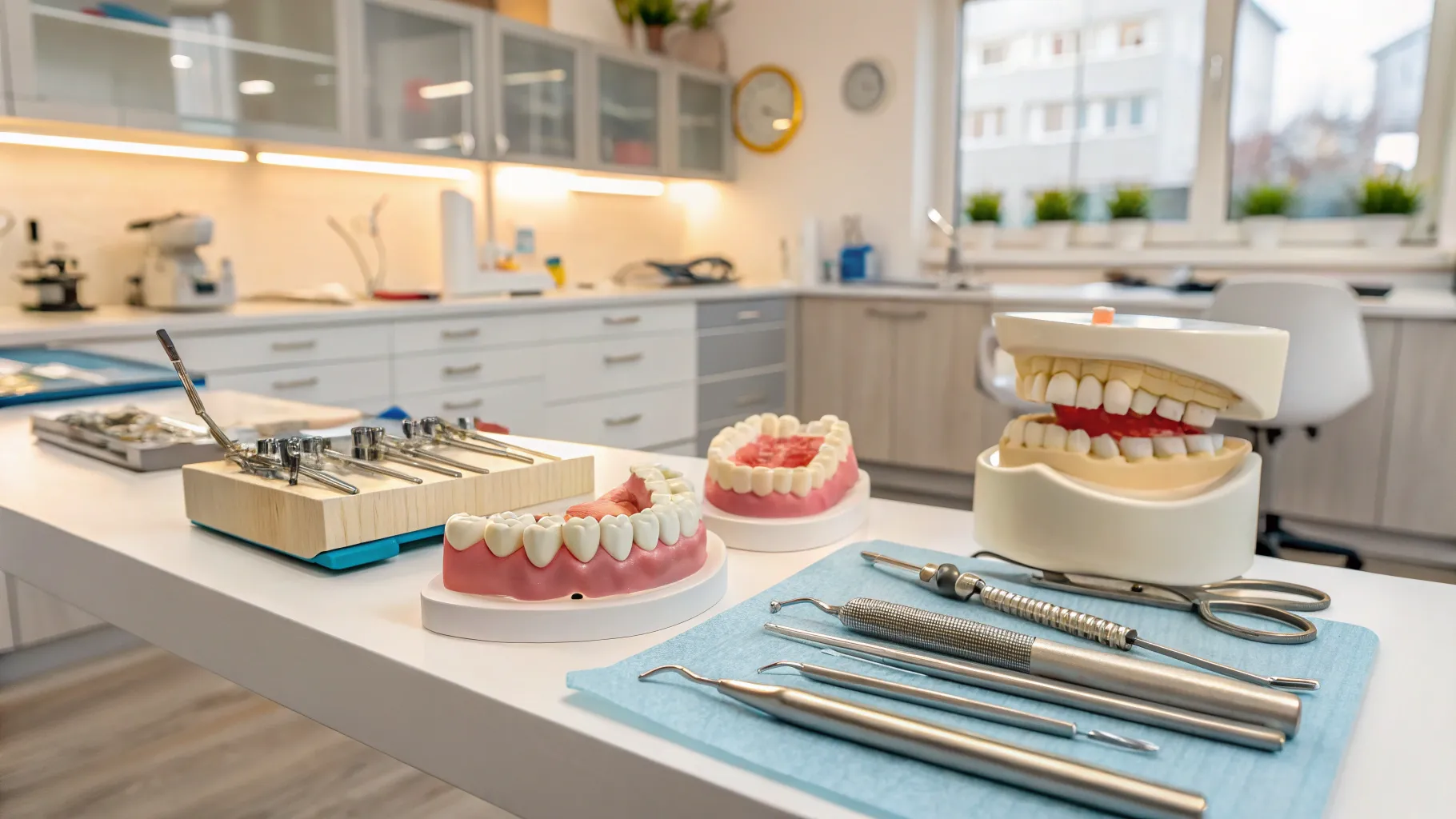
Missing Tooth Solutions Understanding the Options Available
Living with a missing tooth can affect not just your smile but also your overall confidence and health. In 2025, many adults are exploring various missing tooth solutions to restore their smiles and maintain their dental function. From traditional dentures to contemporary dental implants, advancements in dentistry have expanded the range of options available. Here, we’ll dive into some common dental treatments for missing teeth, shedding light on dentures, bridges, and implants.
Common Dental Treatments for Missing Teeth
When it comes to replacing a missing tooth, it’s crucial to consider both functionality and aesthetics. Each solution has its own benefits and challenges. Understanding these will help you make informed choices that align with your lifestyle and dental needs.
Dentures
Dentures are one of the oldest and most recognizable solutions for tooth replacement. They are removable appliances that can replace multiple missing teeth or a full arch. In 2025, modern dentures are significantly improved, offering better comfort and aesthetics than their predecessors. Techniques like implant-retained dentures, which anchor the dentures in place, are becoming more popular.
- Partial Dentures: These can replace one or more missing teeth and fit around your existing healthy teeth. They restore the function of your smile without surgery.
- Complete Dentures: Suitable for people who have lost all their teeth in one or both jaws, these rest directly on the gums.
Recent statistics show that about 20 million Americans are wearing dentures in some form. Advances in materials mean today’s dentures are more natural-looking and easier to wear. However, they do require regular maintenance and can sometimes lead to jawbone loss over time if not fitted properly.
Bridges
Another common solution for missing teeth is a dental bridge. Bridges are fixed devices that consist of one or more artificial teeth (pontics) anchored to the natural teeth on either side. This option is particularly useful when you still have healthy teeth that can support the bridge structure.
- Traditional Bridges: These involve reshaping the adjacent teeth to accommodate the bridge, which can be made from porcelain, gold, or a combination of materials.
- Cantilever Bridges: Used when there is only one adjacent tooth to anchor the bridge.
Bridges can last anywhere from 5 to 15 years, depending on adherence to oral care and regular dental check-ups. They do require the alteration of neighboring teeth, which some patients may find less appealing. Yet, for many, the convenience and cost-effectiveness make it a favorable option.
Dental Implants
For those seeking a long-term solution with a natural feel, dental implants represent the pinnacle of modern restorative dentistry. Implants are titanium posts surgically placed into the jawbone, acting as artificial roots for replacement teeth.
According to recent surveys in 2025, dental implants have a success rate exceeding 95%, making them a reliable choice for replacing missing teeth. Once healed, the implants allow for the addition of custom-crafted crowns that blend seamlessly with your natural teeth.
- Single Tooth Implants: Ideal for replacing a single missing tooth, allowing for full functionality without compromising adjacent teeth.
- Implant-Supported Bridges: These combine the benefits of bridges and implants, providing stability for replacing multiple missing teeth.
The main advantages of dental implants include their durability, the prevention of bone loss, and their ability to restore chewing function almost completely. However, they do require a surgical procedure and could involve a higher upfront cost, with some patients citing expenses between $3,000 to $4,500 per implant.
Tooth Replacement Options for Adults
Choosing the right tooth replacement option depends on several factors including the location of the missing teeth, overall dental health, personal comfort level with various treatments, and budget constraints. Consulting with a dental professional who can provide tailored advice is highly recommended.
For instance, if you have a single missing tooth that does not affect your bite, an implant may be the best option. On the other hand, if you have multiple missing teeth that need replacing, a dental bridge or even an implant-supported bridge could result in a more stable solution.
As more adults prefer natural-looking solutions, restorative dental procedures are shifting toward minimally invasive techniques. Advances in technologies such as 3D printing and digital impressions are making it easier than ever to customize dental restorations for individual patient needs, resulting in shorter treatment times and better outcomes.
Real-world case studies from the past six months highlight the efficacy of these solutions. For instance, a recent study showed that patients who received dental implants not only reported satisfaction with the aesthetics and functionality of their replacements but also noted improvements in their overall quality of life.
Moreover, the future of tooth replacement looks bright as ongoing research continues to enhance these technologies. Innovations such as bioengineered tissues marred to facilitate even better integration with the body are being explored, promising exciting prospects in restorative dentistry.
Ultimately, understanding the various missing tooth solutions available helps in making informed decisions. Whether opting for dentures, bridges, or implants, maintaining good oral hygiene and regular dental visits are essential to prolong the life of these restorations and ensure continued dental health.