Explore Causes and Risks of Heart Valve Disorders
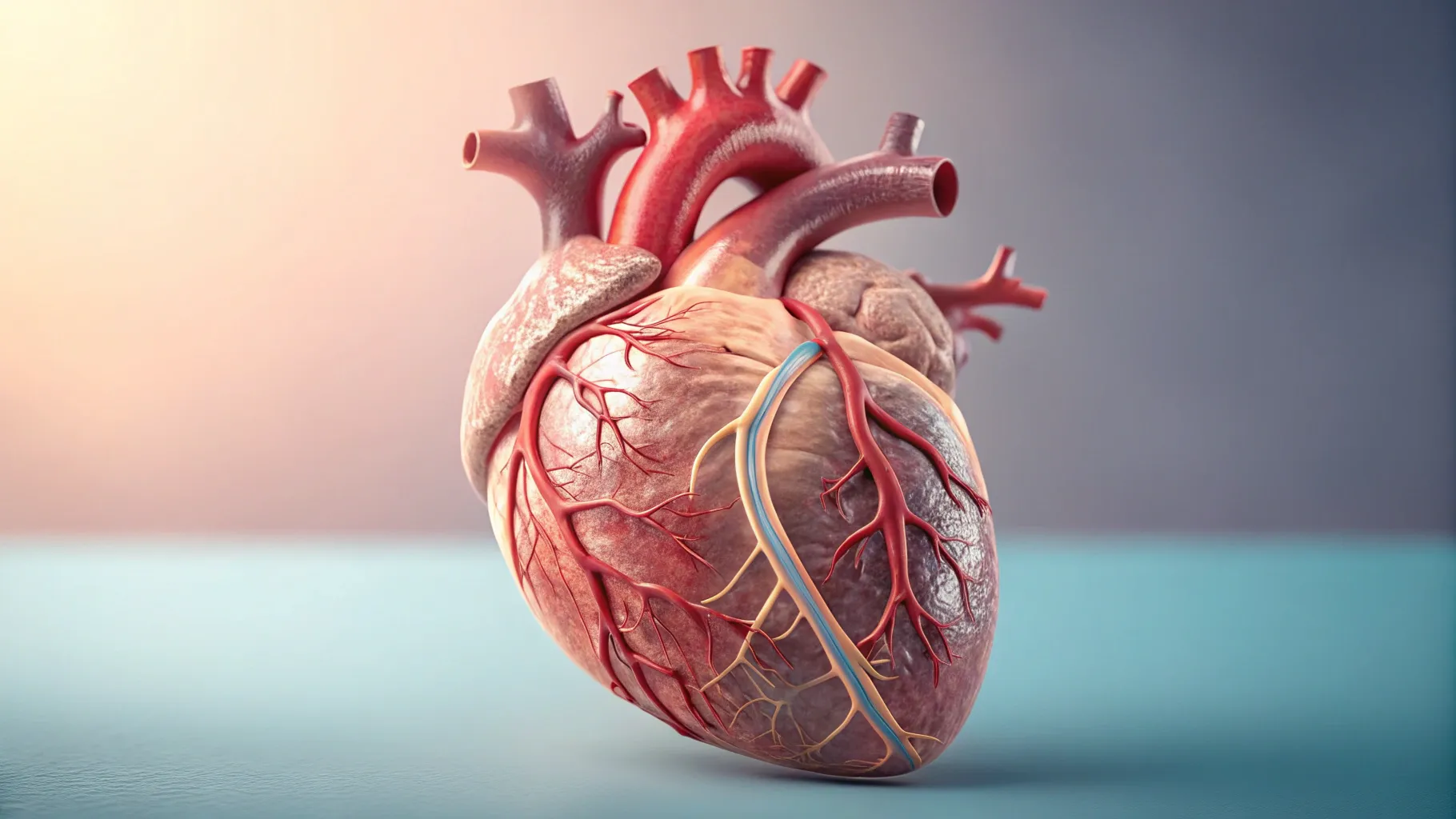
Understanding the Causes of Heart Valve Disorders
Heart valve disorders, a pressing health issue affecting millions worldwide, arise from various underlying causes. A crucial part of the human heart, valves ensure the proper direction of blood flow, maintaining an efficient circulation system. Problems can arise when these valves become narrowed, leaky, or fail to open properly, leading to serious cardiovascular conditions. Today, we will explore the predominant causes of heart valve disorders, risk factors, and the importance of raising awareness on this vital subject.
Common Causes of Heart Valve Disorders
The causes of heart valve disorders can be classified into several categories, primarily focusing on degenerative changes, inflammatory processes, congenital defects, and acquired diseases. Here’s a closer look at each:
- Degenerative Changes: As individuals age, their heart valves can undergo natural wear and tear. A common example is aortic stenosis, which often stems from age-related calcification of the aortic valve. This condition can significantly affect cardiac output and is expected to affect approximately 10% of people over the age of 70.
- Inflammatory Processes: Conditions such as rheumatic fever, which often develops following untreated streptococcal infections, can trigger an inflammatory response that damages heart valves. Despite being less common in developed countries today, rheumatic heart disease still accounts for substantial morbidity globally.
- Congenital Defects: Some individuals are born with structural abnormalities of the heart valves, known as congenital heart disease. For instance, bicuspid aortic valves, which have only two cusps instead of the usual three, can lead to aortic stenosis as the individual ages.
- Acquired Diseases: Other conditions, like endocarditis (an infection of the heart lining) or calcific degeneration, can also lead to valve dysfunction. The Centers for Disease Control and Prevention (CDC) estimates that endocarditis affects about 15,000 people annually in the United States.
As we delve deeper into these causes, it is essential to understand their interplay with various risk factors.
Heart Valve Disorder Risk Factors
Certain factors can heighten the risk of developing heart valve diseases. Identifying and managing these risk factors can significantly reduce the likelihood of valve-related problems. Here are the primary contributors:
- Age: Age is the most significant risk factor, as degeneration of the valves tends to occur over time. Older adults are particularly susceptible to conditions like aortic stenosis and mitral regurgitation.
- Pre-existing Heart Conditions: If someone has a history of heart issues—such as coronary artery disease, previous heart attacks, or heart murmurs—they are at higher risk for developing valve disorders.
- Infections: A personal history of infections, especially endocarditis, can lead to scarring and improper functioning of heart valves. Thus, maintaining good dental hygiene is crucial, as poor oral health can lead to bacteria entering the bloodstream.
- High Blood Pressure: Ongoing high blood pressure can contribute to changes and disturbance in heart valve function, particularly affecting the mitral valve.
- Diabetes: This chronic condition can progressively damage various systems in the body, including the heart and valves, making regular diabetes management vital.
Recent studies indicate that nearly 30% of adults over 65 exhibit some form of heart valve abnormalities. This statistic reinforces the importance of early detection and intervention, particularly among those with risk factors.
Raising Heart Valve Disease Awareness
Amid growing concerns related to cardiovascular conditions, raising awareness about heart valve disorders is essential. Many individuals remain unaware of their valve health until symptoms such as fatigue, shortness of breath, or chest pain become apparent. Awareness campaigns emphasize the significance of regular check-ups, especially for at-risk populations.
The importance of lifestyle choices cannot be overstated. Maintaining a healthy lifestyle through balanced nutrition, regular exercise, and smoking cessation plays a vital role in heart health. For example, a study conducted in the past year found that individuals who engaged in regular physical activity had a 30% lower chance of developing valve abnormalities compared to their sedentary counterparts.
Moreover, educational resources are crucial in encouraging individuals to seek immediate medical attention when experiencing symptoms. Understanding that early intervention can lead to better outcomes can significantly improve the quality of life for many people suffering from heart valve issues.
In terms of treatment, advancements are taking place regularly, including minimally invasive valve repair procedures, which enable patients to recover faster and experience fewer complications. On average, patients undergoing these procedures report shorter hospital stays and quicker returns to normal activities, which is an encouraging development in managing heart valve disorders.
Final Thoughts
Heart valve disorders can significantly affect one’s quality of life and pose serious health risks. However, understanding the causes of heart valve disorders and their associated risk factors is essential for prevention and timely treatment. As we continue to promote heart valve disease awareness, we empower individuals to actively engage in their heart health. With knowledge, individuals can proactively manage their health conditions, seek appropriate screening, and lead lives that are vibrant and fulfilling. In a world that continues to evolve, ensuring cardiovascular health remains a paramount concern for all.