Explore Causes and Risk Factors of Heart Valve Disorders
Understanding the Causes of Heart Valve Disorders
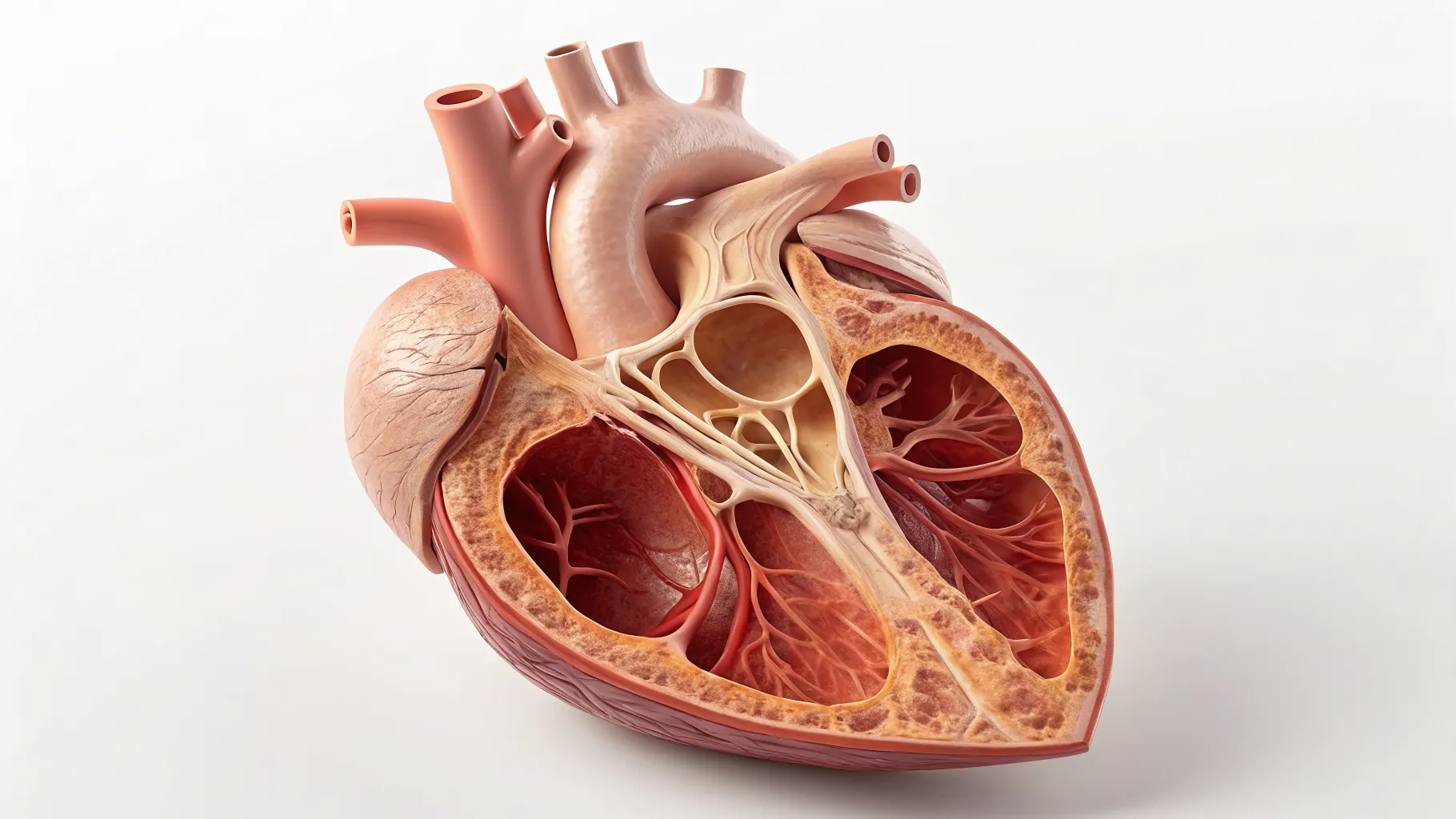
Heart valve disorders represent an important segment of cardiovascular diseases that negatively affect millions of individuals worldwide. The heart, an exceptional organ, contains four vital valves—the aortic, mitral, pulmonary, and tricuspid valves. These valves play a crucial role in regulating the flow of blood, ensuring that oxygenated blood is efficiently circulated throughout the body. Any malfunction or dysfunction of these valves can disturb the entire circulatory system, leading to heart valve disease, which has become a significant public health concern. Grasping the causes of heart valve disorders is essential for devising effective preventive measures and timely interventions.
What Causes Heart Valve Problems?
The roots of heart valve disorders are diverse and can originate from genetic, environmental, and lifestyle factors. By deepening our comprehension of these underlying causes, we can improve our prevention and treatment approaches. Here are some major contributors:
- Age: As individuals grow older, their heart valves naturally endure wear and tear. This age-related calcification predominantly impacts the aortic and mitral valves, thus hampering their function. Data from early 2025 indicates that upwards of 10% of people over 70 experience some degree of valve malfunction, which underscores the significance of regular health check-ups.
- Rheumatic Fever: This condition, deriving from untreated strep throat, causes inflammation and scarring in heart tissues, including the valves. A pivotal study published in late 2024 revealed that prompt treatment of strep throat could lower the risk of rheumatic fever by approximately 70%.
- Congenital Heart Defects: Some individuals are born with inherent structural anomalies that affect their heart valves. Conditions like aortic stenosis often appear in patients with congenital defects, leading to numerous diagnoses every year.
- Infective Endocarditis: This serious ailment occurs due to bacterial infections targeting the heart valves, resulting in inflammation. It is critical to seek immediate medical attention, as untreated cases can lead to severe complications, such as heart failure.
- Deterioration of Connective Tissue: Genetic disorders such as Marfan syndrome can weaken connective tissues, contributing to serious conditions like mitral valve prolapse. Recent findings highlight its role as a major cause of valve-related problems among younger patients.
- Hypertension: Persistent high blood pressure imposes additional strain on heart valves, progressively deteriorating their functionality. Current statistics suggest that around 80% of adults with untreated hypertension eventually develop heart valve issues.
- Cardiomyopathy: This condition impacts the heart muscle adversely, affecting valve performance. Awareness of cardiomyopathy has surged, resulting in improved identification of cases among younger individuals.
- Smoking and Alcohol: Lifestyle choices, including smoking and excessive alcohol consumption, diminish cardiovascular health, significantly elevating the risk of developing heart valve disorders.
Currently, approximately 5 million Americans cope with heart valve disease, with mitral regurgitation acknowledged as the most widespread form, particularly among older adults. Heightened awareness of these causes is crucial for individual education and community initiatives aimed at enhancing cardiovascular health.
Heart Valve Disorder Risk Factors
In addition to direct causes, specific risk factors can considerably elevate the chance of developing heart valve disorders. Awareness of these factors is vital for effective preventative measures. Key risk components include:
- Family History: A genetic predisposition to heart disease can notably increase one's risk of heart valve disorders. Individuals with family members who have been diagnosed with such conditions should consult healthcare professionals for early screenings.
- Obesity: Excess weight is linked with a higher likelihood of cardiovascular diseases, including chronic hypertension, which adversely affects heart valves.
- Diabetes: This metabolic disorder bears strong correlations to cardiovascular problems. Effectively managing blood sugar levels is critical, as diabetes heightens the probability of heart valve disease by more than 50%.
- Sedentary Lifestyle: Insufficient physical activity exacerbates obesity, thereby increasing the risk of heart ailments. Reports suggest that nearly 70% of adults in the United States fail to meet recommended physical activity levels, with significant repercussions for heart health.
- Cholesterol Levels: Elevated LDL cholesterol is known to foster the calcification of heart valves, making routine lipid screenings vital for maintaining optimal cholesterol levels and reducing risks.
- Infections: Untreated infections, particularly strep throat, have the potential to lead to severe long-term consequences, including conditions like rheumatic fever that adversely impact heart valves.
Understanding these risk factors is essential. Healthcare providers continue to stress the importance of early detection and ongoing management strategies, as these steps have demonstrated efficacy in improving the quality of life for those with heart valve disorders.
Modern Approach to Heart Valve Disorders
The management of heart valve disorders has evolved significantly in 2025. Thanks to medical advancements, healthcare providers now employ a range of treatment strategies tailored to individual patients. Below are some methodologies currently in practice:
- Medication: Patients diagnosed with valve disorders often receive medications aimed at managing symptoms and lowering complication risks. Common prescriptions may include anticoagulants, which help prevent blood clots, and diuretics for controlling fluid retention.
- Minimally Invasive Surgery: Innovative medical techniques, such as transcatheter aortic valve replacement (TAVR), have gained popularity due to their effectiveness. Clinical studies from early 2025 confirm that these procedures not only result in shorter recovery times but also fewer complications compared to traditional surgical methods.
- Valve Repair or Replacement: More severe cases necessitate surgical interventions whereby surgeons can either repair damaged valves or replace them, using either mechanical or biological alternatives that significantly enhance patients' health outcomes.
In addition to medical and surgical interventions, adopting a heart-healthy lifestyle is pivotal. Embracing a balanced diet rich in fruits, vegetables, and healthy fats, combined with regular exercise and the cessation of smoking, can dramatically lower the risk of heart valve issues.
Ongoing research is focused on enhancing preventive strategies and treatment methodologies. Recent studies emphasize that diets loaded with omega-3 fatty acids could improve overall cardiovascular health and, subsequently, heart valve function.
Raising consciousness about the causes of heart valve disorders not only empowers individuals but also fuels community programs advocating for improved cardiovascular care. As we draw clearer connections between lifestyle choices, genetic factors, and heart health, individuals can become better equipped to recognize symptoms and seek timely medical advice, resulting in improved prognoses across populations. Education and proactive management remain crucial for promoting heart health, fostering informed decisions, and advocating unified community efforts toward better cardiovascular care.