Explore Bladder Control Devices Benefits and Options
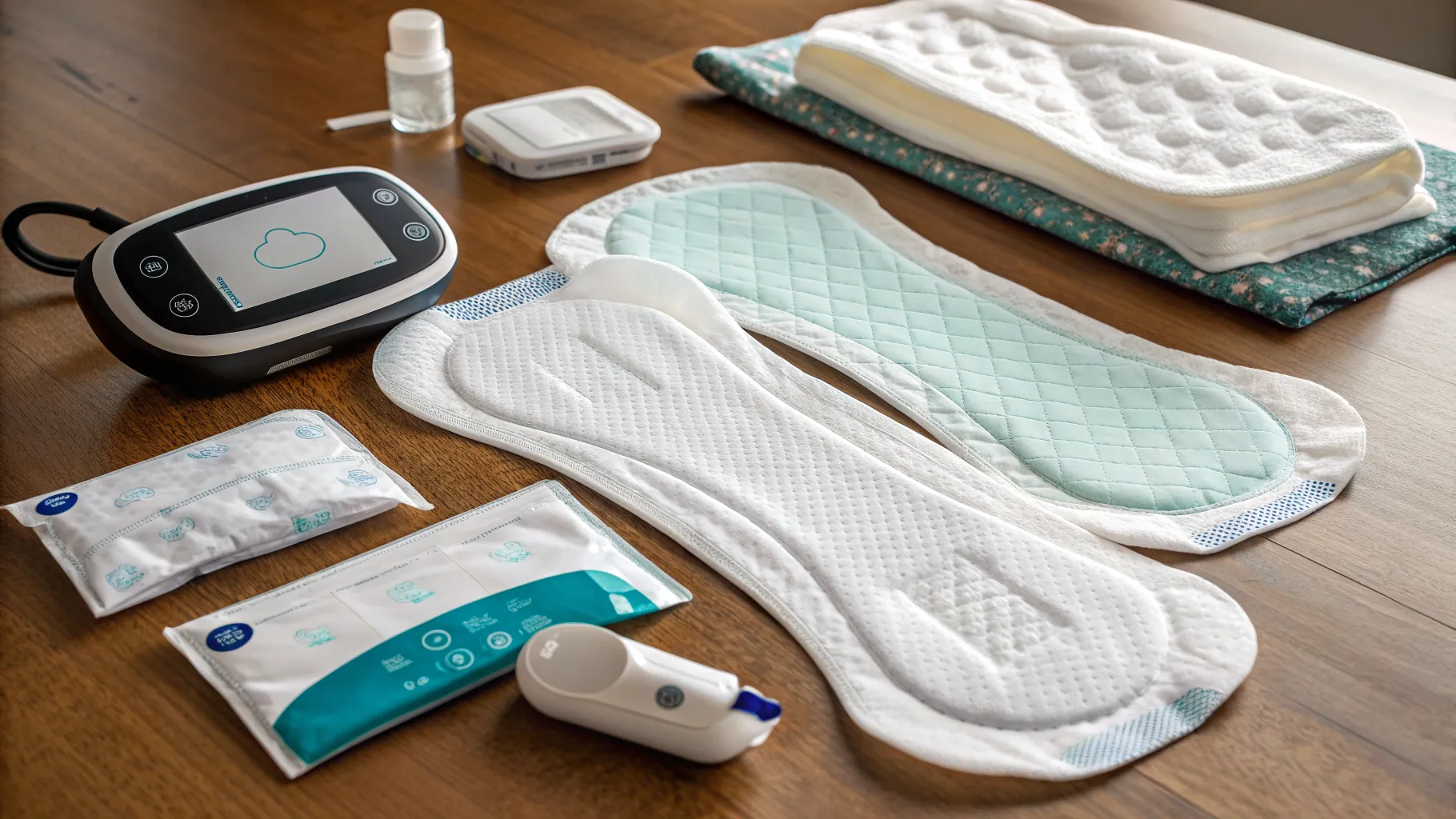
Understanding Bladder Control Devices
Bladder control devices are specialized items aimed at assisting individuals who experience urinary incontinence. This condition, which affects millions worldwide, can arise from various factors, including aging, pregnancy, neurological disorders, or post-surgery complications. As we move through 2025, advances in technology continue to improve the functionality and comfort of bladder control devices, making them a sought-after solution for many facing this sensitive issue.
These devices can range from wearable gadgets to traditional pads, and each type serves a different need based on the severity of incontinence and personal preference. The most common types include:
- External Catheters: These devices are placed outside the body to collect urine. They often have adhesive features that allow them to stay in place, providing a reliable solution for those who prefer not to wear absorbent products.
- Internal Catheters: More invasive, these catheters are inserted into the bladder. While they can provide a more discreet option, they generally require a higher level of care to maintain hygiene.
- Absorbent Pads: These are similar to menstrual pads or adult diapers, designed to absorb urine leakage. While this is the most commonly known option, many advanced alternatives now exist.
- Wearable Devices: Innovative technologies have led to the development of smart bladder control devices. These wearables, such as adjustable pressure sensors, can report urine loss and offer data to help improve bladder health.
Benefits of Bladder Control Devices
The benefits of using bladder control devices extend beyond mere functionality. They also provide emotional and psychological support for individuals coping with incontinence. Here are some of the primary advantages:
- Increased Mobility: Many individuals with incontinence avoid social activities or travel due to fear of leaks. Using bladder control devices allows for greater confidence and freedom, promoting a more active lifestyle.
- Improved Hygiene: Unlike absorbent pads, which can require frequent changing throughout the day, many bladder control devices are designed to minimize skin irritation and maintain cleanliness, providing users with comfort and reducing health risks associated with moisture.
- Customizable Options: Modern bladder control devices offer various designs to suit individual lifestyles. Whether a user prefers an external catheter for ease or a discreet internal option, there’s flexibility to choose what works best for them.
- Data Tracking: Wearable devices with tracking capabilities allow users to monitor fluid output, intake, and leakage patterns. This data can be incredibly valuable for healthcare providers in crafting personalized treatment plans.
- Cost-Effectiveness: Long-term, bladder control devices can be economically beneficial. Users may spend less on disposable pads as they find more sustainable options that require less frequent replacement.
In a recent survey conducted by the Continence Foundation in early 2025, it was reported that 76% of individuals using bladder control devices experienced less anxiety about urinary leakage. This statistic underlines the profound impact these devices can have on personal well-being.
Comparing Bladder Control Devices to Pads
When deciding between bladder control devices and pads, individuals need to assess their unique circumstance. Each solution has distinct advantages and elements that may cater better to specific needs. Pads are often readily available at pharmacies, making them a convenient option for some. However, they might not be ideal for everyone due to their bulkiness and the need for frequent changes.
In contrast, bladder control devices can provide a more discreet experience. For example, an external catheter may be ideal for someone who concerns themselves with leaks during physical activities, while the convenience of a washable, reusable bladder control device can be attractive to the eco-conscious consumer.
Moreover, bladder control devices often allow for hands-free use, leaving the user less burdened throughout the day. Interestingly, as the popularity of bladder control devices grows, many manufacturers are enhancing their design to be skinnier and more fashionable, merging functionality with aesthetics.
This has paved the way for a diverse market of products, offering users personalized options that alleviate the stigma often associated with incontinence. Indeed, in today's fabric of healthcare approaches, integrating technology into solutions for urinary leakage can foster a stronger community support system. For instance, support groups have grown alongside these innovations, where individuals share tips and experiences related to their use of bladder control devices.
For those interested in buying a bladder control device, the market is ripe with choices in 2025. Many of these products can be found in local pharmacies, specialty medical supply stores, and online platforms. Ensuring that the device fits properly is crucial, as a well-fitted device enhances comfort and efficiency. Many retailers now allow consumers to customize their order sizes and styles to meet their unique requirements.
As we encourage conversations around bladder incontinence, sharing personal experiences and options available can help reduce the stigma. Ultimately, whether one chooses traditional pads or opts for the innovative route of bladder control devices, the emphasis should be on improving quality of life.
Ultimately, the choice between using a bladder control device or pads is deeply personal and influenced by individual lifestyle, preferences, and specific medical conditions. As technology evolves, we continue to see substantial improvements, and with supportive communities, people are empowered to make informed decisions.