Explore the Best Walking Aids for Elderly Mobility Support
Understanding Walking Aids for Elderly People
The senior population is growing rapidly, with projections indicating that by 2030, one in five people will be over the age of 65. As we age, maintaining mobility becomes crucial for independence and quality of life. In 2025, we continue to see a significant rise in the availability and variety of walking aids for elderly individuals. These aids have evolved from simple canes to sophisticated mobility devices designed to enhance elderly mobility support.
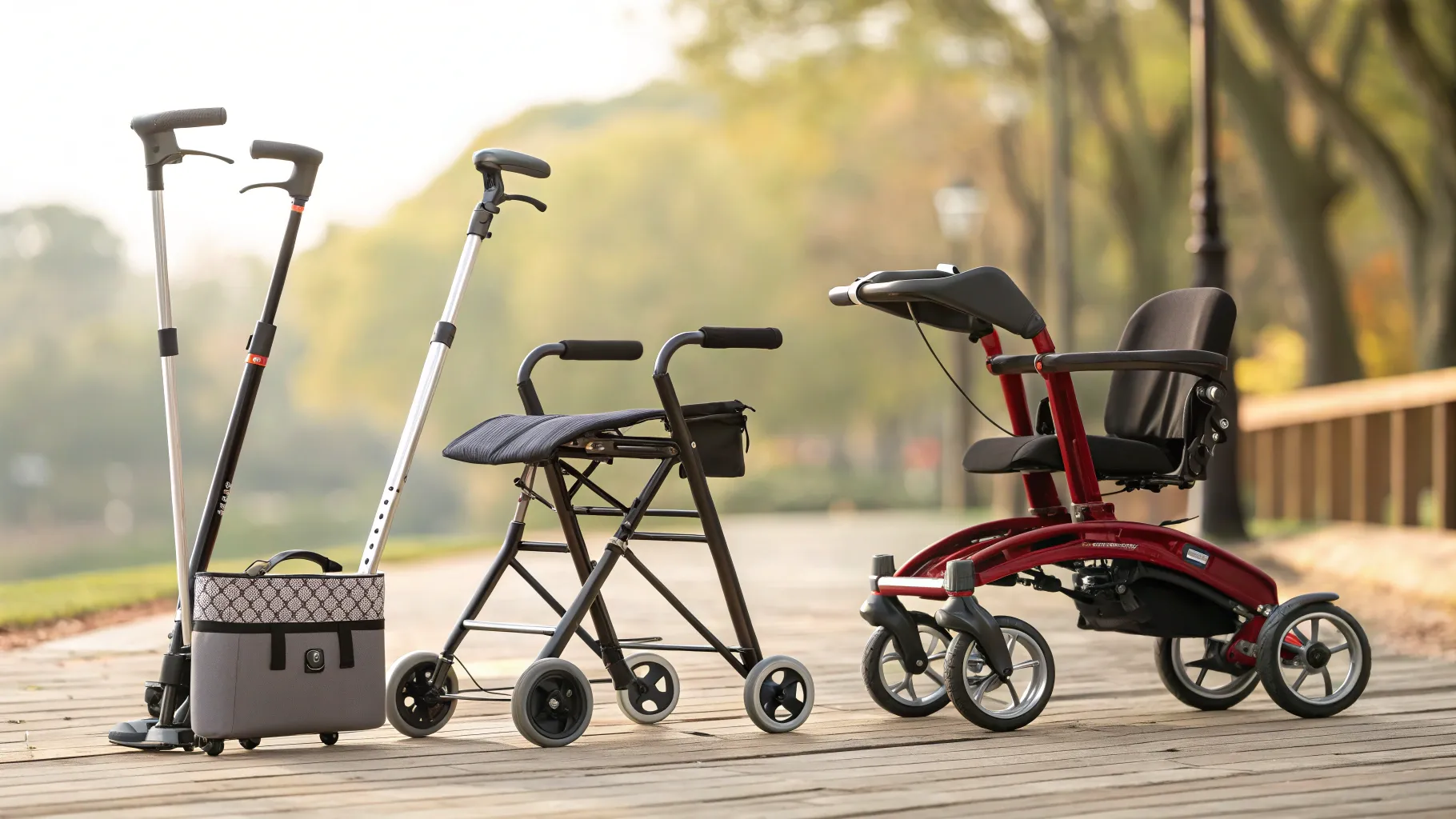
In today's market, countless options exist for those seeking to improve their mobility. This includes walking canes, walkers, rollators, and mobility scooters. Each device offers unique benefits, enabling seniors to navigate their daily lives with greater ease and confidence.
Types of Walking Aids for Elderly Mobility Support
When exploring walking aids for elderly, it's important to consider the various types available and how they can specifically address individual mobility challenges. Below are some of the common types of senior walking devices:
- Walking Canes: Canes are versatile and can provide essential support for balance. In 2025, innovations in materials mean there are canes that are lighter yet sturdier, often equipped with ergonomic grips.
- Walkers: Traditional walkers offer stable support. Many new models come with added features like foldable frames and built-in seats, making them ideal for longer outings.
- Rollators: These are wheeled walkers that allow users to walk without lifting the entire frame. They are equipped with brakes and sometimes fold down for storage, promoting independence.
- Mobility Scooters: For those with more significant mobility challenges, scooters provide a comfortable way to get around, especially for outdoor activities. Recent improvements have made them more lightweight and portable.
Using the right walking aid not only helps with physical mobility but also boosts mental well-being. It can reduce feelings of isolation and promote a more active lifestyle. Statistics from 2024 indicate that seniors who use mobility aids are more likely to engage in social activities and maintain physical health, significantly enhancing their overall quality of life.
Selecting the Right Mobility Aid
Choosing the right mobility aid is about understanding individual needs. Factors such as the level of mobility, strength, and personal preferences play critical roles. In 2025, numerous studies emphasize the importance of consulting healthcare professionals before making a decision. Physical therapists can assess balance and strength, leading to personalized recommendations.
For example, if an elderly person has moderate balance issues but still possesses good strength, a rollator might be suitable. However, if significantly reduced strength is present, they may need a walker with supports or even a mobility scooter. When considering mobility aids for seniors, it's also essential to think about the environments where the aid will be used most. Will it be primarily indoors or outdoors? Each environment poses different challenges and requires different features.
Additionally, factors like weight, ease of transport, and aesthetic preferences are equally important. Comfortable handles, adjustable height settings, and lightweight frames can make a significant difference in the user's experience.
The Benefits of Using Walking Support Tools
Using walking aids provides numerous advantages beyond just enhanced mobility. They help in preventing falls, which are a significant concern for elderly individuals. According to the Centers for Disease Control and Prevention, falls are the leading cause of injury among seniors, resulting in thousands of deaths each year. By utilizing mobility aids, the risk of serious injuries can be considerably reduced.
Moreover, walking aids can assist in boosting confidence. Many seniors feel hesitant to participate in social gatherings or outings due to fear of falling or becoming unsteady. With reliable support, they can regain the confidence needed to socialize and maintain an active lifestyle.
Moreover, research conducted in early 2025 points to how mobility aids can improve physical fitness in seniors. Regular use promotes more activity, leading to better cardiovascular health and lower rates of depression.
Real-World Example of Improved Mobility
Consider the story of Eleanor, a 72-year-old retiree living in a vibrant community. After experiencing several minor falls, her daughter encouraged her to try a rollator. Initially apprehensive, Eleanor found herself embracing her newfound independence. She could stroll to the park, engage with her neighbors, and even join a local walking group. Her experience highlights how the right walking support tools can transform lives.
In 2025, the development and resources available for those seeking mobility aids have greatly expanded. From online resources to local support groups, individuals and families can find information that helps them make informed choices about the best walking aids suited for their needs.
In conclusion, the significance of walking aids for elderly individuals cannot be overstated. They not only serve functional purposes but also greatly enhance the emotional and social well-being of seniors. With a variety of options available and advancements in design and functionality, senior individuals can find the mobility solution that best matches their lifestyle and needs.