Explore Bathroom Wall Panel Types and Installation Guide
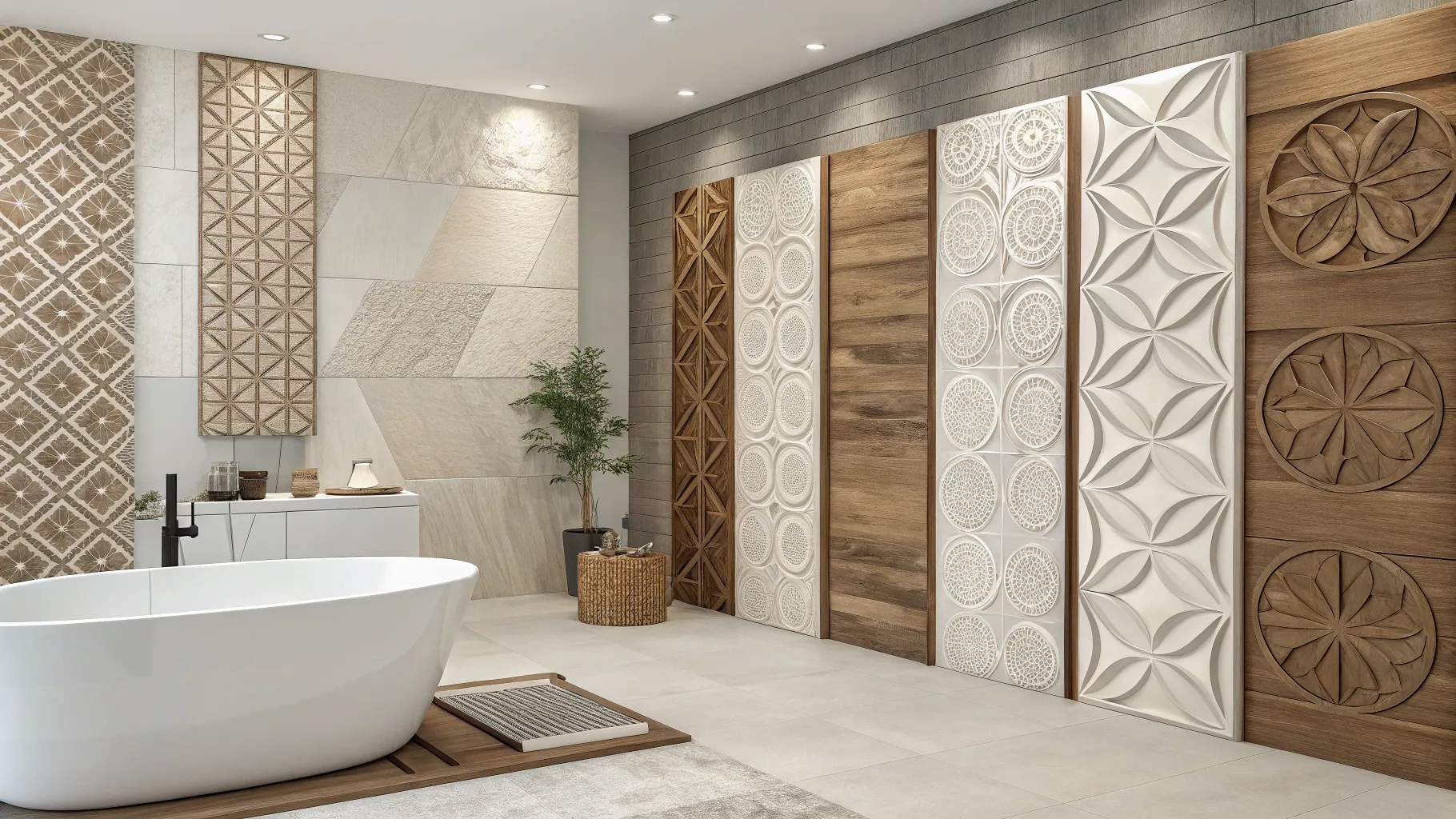
Understanding the Basics of Bathroom Wall Panels
Bathroom wall panels are increasingly becoming popular among homeowners and designers alike, providing a modern solution to both aesthetics and functionality in bathroom spaces. With the continual evolution of materials and designs, these panels serve as an ideal alternative to traditional tiles.
The plethora of choices available when it comes to bathroom wall panel types and materials ensures that homeowners can find the perfect match that fits their style and budget. Let’s dive deeper into the kinds of materials used for bathroom wall panels and how they can transform your space.
Types and Materials of Bathroom Wall Panels
- PVC Wall Panels: Lightweight and waterproof, PVC panels are a fantastic choice for consistent and long-lasting bathroom designs. They are available in various colors and textures, allowing for personalized designs.
- Polyester Panels: Known for their resistance against moisture and mold, polyester panels provide a sleek, glossy finish that’s easy to clean. They are among the trendiest materials available today.
- Glass Panels: Offering a modern, luxury appeal, glass panels allow for enhanced natural light in small bathrooms. They are durable, resistant to stains, and can be customized with printed designs.
- Acrylic Panels: Acrylic panels are popular for their versatility and vibrancy. These panels are scratch-resistant and can mimic the appearance of natural stone or tiles while providing a seamless finish.
- Stone and Composite Panels: For a more classic look, stone panels or composites (like quartz and granite) bring a touch of elegance. They are generally more expensive but offer unmatched durability and aesthetic appeal.
Each of these materials comes with its own advantages, making it essential for homeowners to consider factors like moisture resistance, ease of installation, and maintenance requirements when selecting their bathroom wall panels.
Your Guide to Bathroom Wall Panel Installation
Installing bathroom wall panels may seem daunting, but with the right steps, it can be achieved with minimal hassle. Here’s a straightforward bathroom wall panel installation guide which you can follow:
- Select the Right Panels: Depending on your design preferences and budget, choose from the various panel types discussed above.
- Gather Your Tools: Basic tools such as a measuring tape, level, utility knife, adhesive (if necessary), and caulk will be needed.
- Preparation: Ensure that the wall surface is clean, dry, and free from any mold or old adhesive. This step is crucial for proper adhesion and a lasting installation.
- Measure and Cut Panels: Measure your wall area accurately and cut the panels according to the dimensions. Leave a gap where the panel will meet the floor and the ceiling to allow for expansion.
- Adhere the Panels: Depending on the type of wall panel, utilize adhesive or mounting brackets to attach the panels. Start from a corner and work your way out for an even finish.
- Seal the Edges: After the panels are installed, seal the seams with caulk to prevent moisture seepage, ensuring long-term durability.
- Allow to Cure: Allow the adhesive to dry completely before using the bathroom, which generally takes about 24 hours.
Following these steps can lead to a successful bathroom renovation project that enhances its overall appearance and functionality.
Maintaining Your Bathroom Wall Panels
Maintaining bathroom wall panels is crucial for preserving their appearance and lifespan. Here’s how you can effectively maintain your bathroom wall panels:
- Regular Cleaning: Wipe down panels with a non-abrasive cleaner to remove soap scum and water spots. For glass panels, use a glass cleaner to keep them sparkling.
- Inspect for Damage: Regularly check for signs of damage, especially around seams. Early detection can prevent more extensive repairs down the line.
- Address Moisture Issues: Ensure proper ventilation in your bathroom to minimize mildew and mold growth. This can be achieved by using exhaust fans.
- Avoid Harsh Chemicals: When cleaning your wall panels, avoid using harsh chemicals that can damage the surface and lead to discoloration.
With proper maintenance, you can ensure that your bathroom wall panels remain functional and beautiful for many years to come.
Understanding Waterproof Bathroom Wall Panels
When designing a bathroom, one of the most significant considerations must focus on water exposure. Therefore, selecting the right materials is paramount. Waterproof bathroom wall panels are specifically designed to combat moisture, making them an excellent investment for anyone wanting to enhance their bathroom without the risk of mold or mildew.
These panels come in a variety of materials, often designed to imitate more costly materials like tile or stone without the maintenance drawbacks. Many waterproof panels are made from materials such as fiberglass, sealed composites, or high-density polyethylene. For instance, fiberglass panels are not only waterproof but are also resistant to mold and bacteria, making them a sound choice for bathrooms.
In the past six months, market trends have shown a growing demand for sustainable options in waterproof wall panels, as more consumers are becoming environmentally conscious. Some manufacturers now offer eco-friendly, recycled material panels that provide durability and sustainability.
In summary, exploring the wide range of bathroom wall panel options available can reshape your bathroom into a stylish, functional oasis. With proper installation and regular maintenance, these panels can elevate your bathroom experience significantly. From PVC to glass, the options available in 2025 are more varied and functional than ever, offering durability and an opportunity for customization.