Explore Bathroom Wall Panel Types Installation and Care
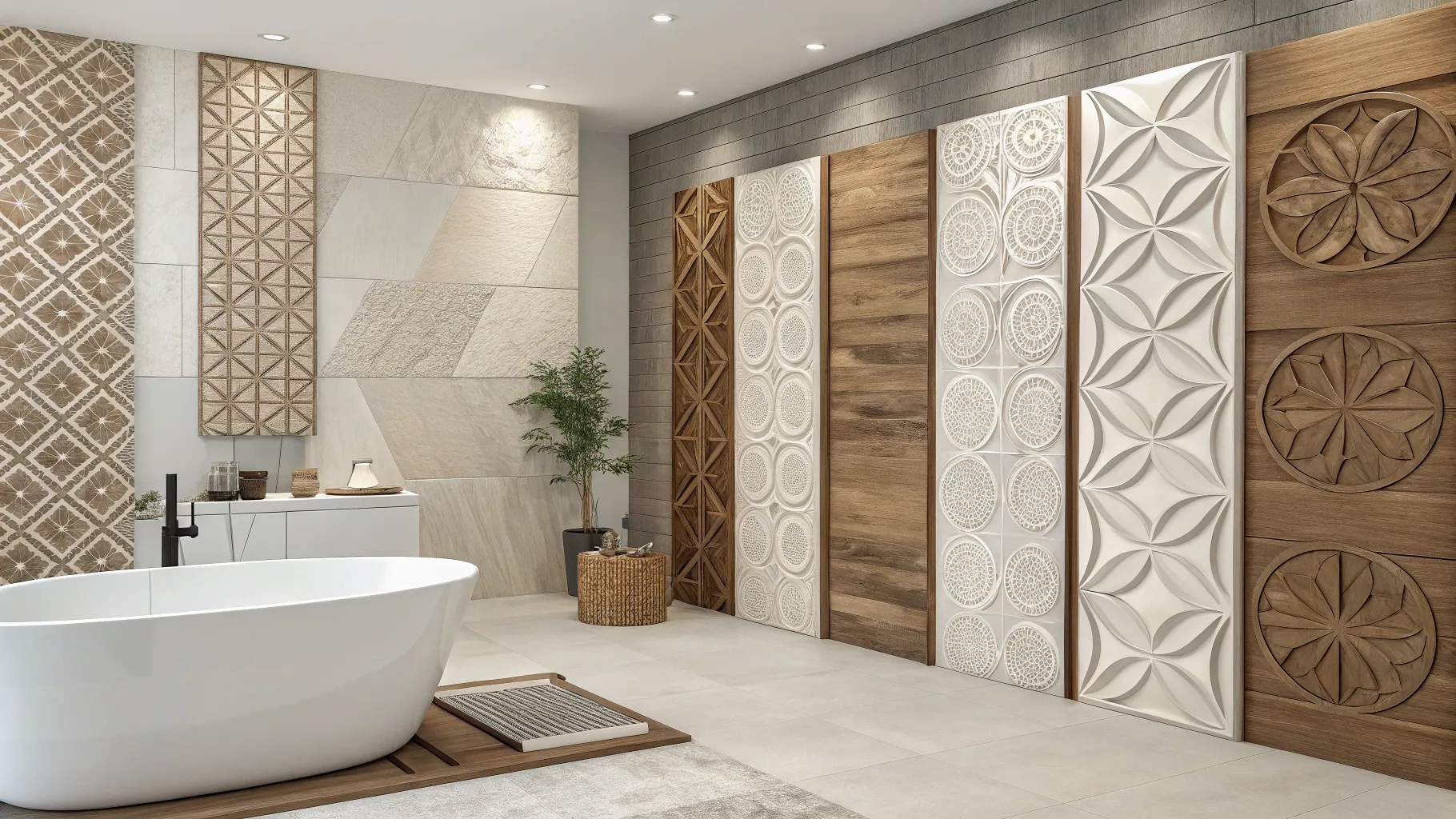
Exploring Bathroom Wall Panel Types and Materials for Modern Homes
When it comes to enhancing the overall aesthetics and functionality of bathrooms, bathroom wall panels have emerged as a top choice among homeowners and designers alike. As we embrace 2025, the market presents a variety of panels that not only look great but also provide durability and ease of maintenance. These features make them an appealing option for a space that often endures high moisture levels. Let’s take a closer look at the different types of bathroom wall panels currently available and what you need to know when considering an upgrade.
Various Types of Bathroom Wall Panels
- PVC Wall Panels: PVC or polyvinyl chloride wall panels are known for their resistance to moisture, making them a popular choice. These lightweight panels can be easily installed and come in endless colors and designs. Their budget-friendly pricing makes them a top pick for those seeking an affordable yet stylish bathroom upgrade. According to recent statistics, they account for over 25% of bathroom wall coverings used in renovations.
- Acrylic Wall Panels: With a sleek, glossy finish, acrylic panels blend style with functionality. Their strong resistance to scratches, stains, and moisture adds to their allure. As a versatile option, many homeowners prefer them for contemporary bathrooms, especially since they are available in a variety of colors and patterns that mimic natural stone.
- Wood Paneling: Although traditionally not used in wet environments, now specially treated wood panels can bring warmth and depth to bathroom spaces. They require a bit more maintenance to prevent water damage, but the unique aesthetic they provide cannot be matched. In 2025, around 15% of homeowners opt for engineered wood panels that are specifically designed for such moisture-prone areas.
- Fiberglass Panels: Known for their ease of installation and lightweight nature, fiberglass panels are another great option. They boast waterproof properties and require little maintenance while offering a seamless look. These panels are particularly helpful during quick renovations, with their popularity rising by 20% in recent months due to their practicality.
- Tiled Panels: Modern technology has transformed the classic tiled look. Now, large panels that mimic the appearance of tile are available, significantly reducing the number of grout lines. These panels provide an elegant and sophisticated finish to any bathroom, and their ease of cleaning presents an advantage many homeowners appreciate.
Step-by-Step Installation Guide for Bathroom Wall Panels
Thinking of installing bathroom wall panels yourself? With a little preparation and the right tools, it's a manageable DIY project that can yield professional results. Let’s break down the installation process into manageable steps.
Installation Steps
Start by gathering your materials: panels, adhesive or screws, a measuring tape, a utility knife, a level, and a caulking gun. Here’s a simple, easy-to-follow installation guide:
- Measure Your Space: Accurate measurements of your wall area are crucial. Consider marking your measurements on the wall for precise cutting and material calculation.
- Prepare the Wall: Ensure your wall surface is clean, dry, and free of any imperfections. If tiles are already installed, check their stability before applying new panels.
- Cut Panels: Using your utility knife, cut the panels to fit your specific wall measurements. Always wear protective gear when handling tools to ensure safety.
- Adhere Panels: Apply the adhesive onto the back of the panel and press it firmly against the wall, using a level to ensure it’s straight. For heavier panels, opt for screws for added safety.
- Seal the Edges: Once the panels are installed, seal the edges with a caulking gun to prevent water infiltration and finish the project with a polished look.
With this user-friendly guide, even those who aren’t seasoned DIYers can successfully install their own bathroom wall panels.
Maintenance Tips for Bathroom Wall Panels
After installation, maintaining your bathroom wall panels is essential for ensuring they remain in excellent condition. Follow these simple tips to keep your panels looking their best:
- Regular Cleaning: Schedule routine cleanings using a non-abrasive cleaner to avoid mold and mildew buildup, particularly in humid areas like bathrooms.
- Inspect for Damage: Keep an eye out for cracks, peeling, or other signs of damage. Catching these issues early can save you from costly repairs.
- Reapply Sealants: For wood panels requiring sealing, reapply sealants every two to three years to maintain their waterproof properties and prolong their lifespan.
Implementing these maintenance practices will contribute to the longevity of your bathroom wall panels, allowing you to enjoy a stylish and functional space for years to come.
The Importance of Waterproof Bathroom Wall Panels
One vital factor to consider when selecting bathroom wall panels is their waterproof capability. Bathrooms are inherently wet spaces, making the right materials essential. Choosing waterproof panels can drastically reduce the risks associated with mold growth, structural damage, and musty odors. Currently, there's a growing trend among homeowners seeking waterproof solutions, with recent studies indicating a surge of over 40% in interest toward durable bathroom materials.
Acrylic and PVC panels are at the forefront of this trend, lauded for their combination of easy maintenance, aesthetic appeal, and effectiveness in preventing moisture-related issues. Furthermore, luxury vinyl and alternative options are gaining traction as homeowners look for stylish alternatives to traditional materials.
By selecting the right bathroom wall panels along with proper installation and maintenance, you can significantly enhance your bathroom's aesthetic and functional appeal. With the ever-evolving advancements in technology, stylish, practical, and waterproof options are available that merge beauty and utility, creating a perfect sanctuary in one of the most personal areas of your home.