Explore Arthritis Treatment Options for Pain Relief and Mana
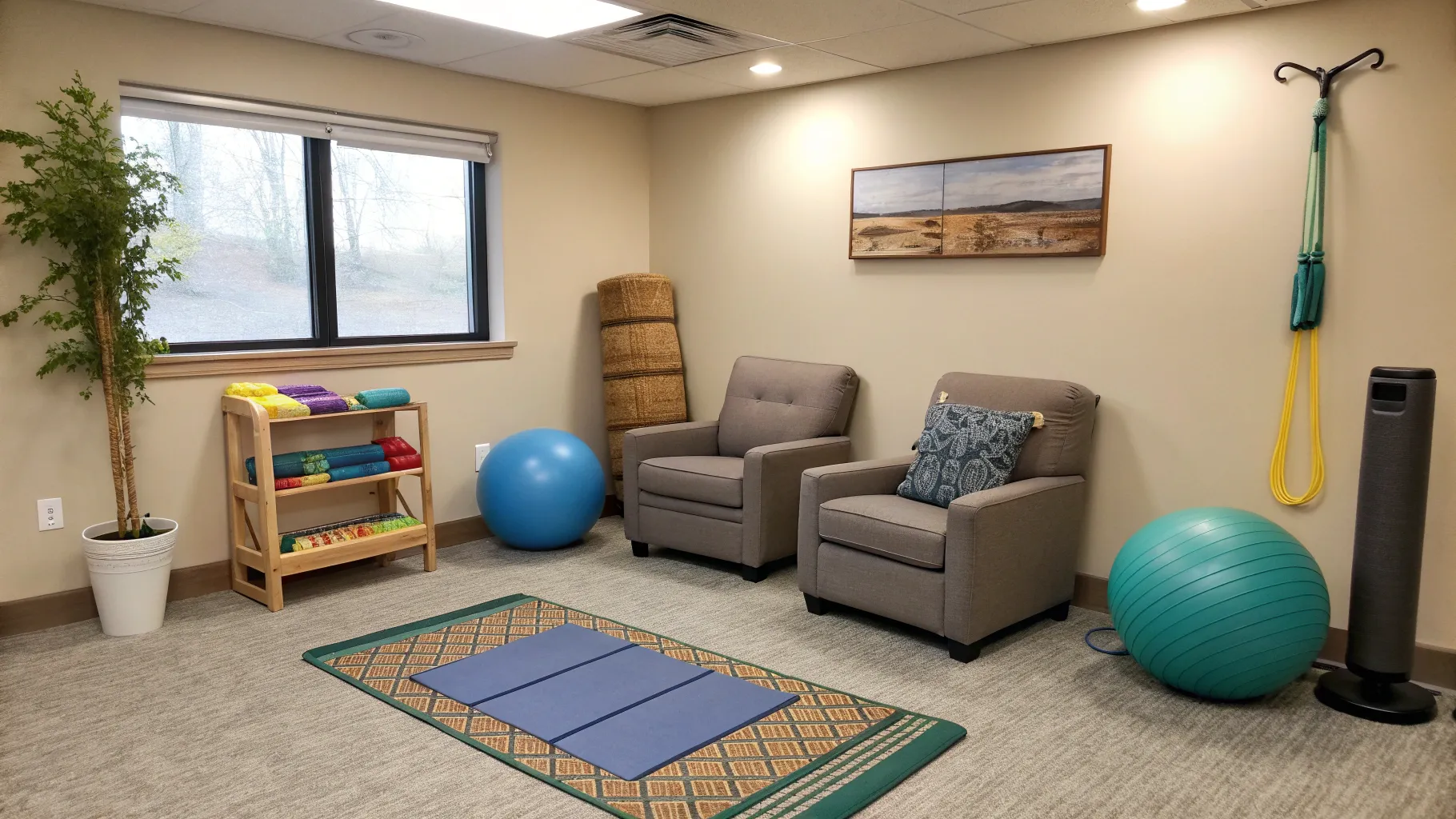
Learn More About Arthritis Treatment Options
Arthritis is a chronic condition that affects millions of people worldwide. In 2025, it’s estimated that around 350 million individuals are grappling with various forms of arthritis, with osteoarthritis and rheumatoid arthritis being the most common. Understanding arthritis treatment options can provide significant relief and improve the quality of life for those affected. From non-surgical treatments to medication and lifestyle changes, let’s explore the effective strategies to manage arthritis pain and symptoms.
Non-Surgical Treatments for Arthritis
Many individuals are hesitant to undergo surgical procedures for arthritis unless absolutely necessary. Fortunately, non-surgical treatments have gained popularity and proven effective. Here are some popular methods:
- Physical Therapy: Engaging in physical therapy is one of the most beneficial non-surgical treatments for arthritis. A qualified physical therapist can tailor exercises specifically for the patient, aimed at improving flexibility, strength, and range of motion. A study published in late 2024 showed that patients involved in physical therapy reported a 40% decrease in pain and a significant improvement in mobility.
- Weight Management: For those managing osteoarthritis, maintaining a healthy weight can reduce the stress on weight-bearing joints like hips and knees. Recently, a weight loss program targeted to arthritis patients was found to reduce pain by up to 30% within six months, making it a highly recommended approach.
- Assistive Devices: The use of canes, braces, or shoe inserts can relieve pressure and improve mobility. These devices help redistribute weight away from painful joints, allowing individuals more freedom to move.
- Acupuncture: Acupuncture is gaining traction as a complementary treatment for arthritis. Studies reflect that around 60% of patients who received acupuncture treatments experienced some degree of pain relief.
- Hot and Cold Therapy: Simple yet effective, alternating between hot and cold packs can alleviate arthritis pain. Heat relaxes muscles and increases circulation, while cold reduces swelling and numbs sharp pain.
Medications for Arthritis Pain Relief
Medications play a crucial role in managing arthritis pain. Various options are available, depending on the severity of the condition and the patient's overall health.
- Nonsteroidal Anti-Inflammatory Drugs (NSAIDs): Over-the-counter NSAIDs such as ibuprofen and naproxen are popular for their anti-inflammatory effects. A recent survey indicated that over 60% of arthritis patients find relief from using these medications regularly.
- Acetaminophen: This is often recommended for mild to moderate arthritis pain. While it doesn’t reduce inflammation, it provides essential relief for many sufferers.
- Corticosteroids: For more intense inflammation, corticosteroids like prednisone are prescribed. These medications help control inflammation but are usually recommended for short-term use due to potential side effects.
- Disease-Modifying Antirheumatic Drugs (DMARDs): Particularly for rheumatoid arthritis, DMARDs help slow disease progression and prevent joint damage. Methotrexate is commonly prescribed and has become a cornerstone of rheumatoid arthritis treatment since it was found to reduce flares significantly.
- Biologics: For those who do not respond well to traditional DMARDs, newer biologic therapies are available. These medications target specific pathways in the immune system. A recent study revealed that up to 70% of patients on biologics experienced improved symptoms within the first few months.
Physical Therapy for Arthritis Management
Physical therapy stands out as a proactive method of managing arthritis. Tailored exercise regimens enhance mobility, strength, and endurance. Furthermore, physical therapists are equipped to educate patients on body mechanics, helping to prevent additional joint stress.
The experience of Lucy, a 57-year-old woman with osteoarthritis, exemplifies the effectiveness of physical therapy. After starting a structured program focused on strengthening muscles around her knees, she noticed a remarkable reduction in pain and an increase in activities she thought were long gone. Lucy now enjoys walking her dog and engaging in water aerobics, activities she feared she would never participate in again.
Lifestyle Changes to Help with Arthritis
Incorporating certain lifestyle changes can significantly impact arthritis management. Here are some strategies that may help:
- Nutrition: A balanced diet rich in omega-3 fatty acids, antioxidants, and anti-inflammatory foods can benefit arthritis. Foods like fatty fish, nuts, fruits, and leafy greens contribute to overall joint health. Recent dietary studies emphasize the role of anti-inflammatory diets in reducing arthritis flare-ups.
- Regular Exercise: Low-impact exercises such as swimming, cycling, and walking support joint health and improve overall fitness. An exercise routine can help maintain joint flexibility and reduce stiffness, with many patients reporting enhanced mobility.
- Stress Management: Stress exacerbates pain perception. Techniques such as meditation, mindfulness, or gentle yoga can reduce stress levels and subsequently improve arthritis symptoms. As reported by the Arthritis Foundation, practicing mindfulness yields better pain management outcomes in a significant percentage of patients.
In 2025, the approach to managing arthritis continues to evolve, emphasizing patient-centered care and collaborative treatment modalities. While medication and physical therapy remain staples, the importance of lifestyle changes and non-surgical alternatives cannot be overstated. By exploring these arthritis treatment options, individuals can take control of their health and significantly enhance their quality of life.