Explore 5 Causes of Chronic Neck Pain and Solutions
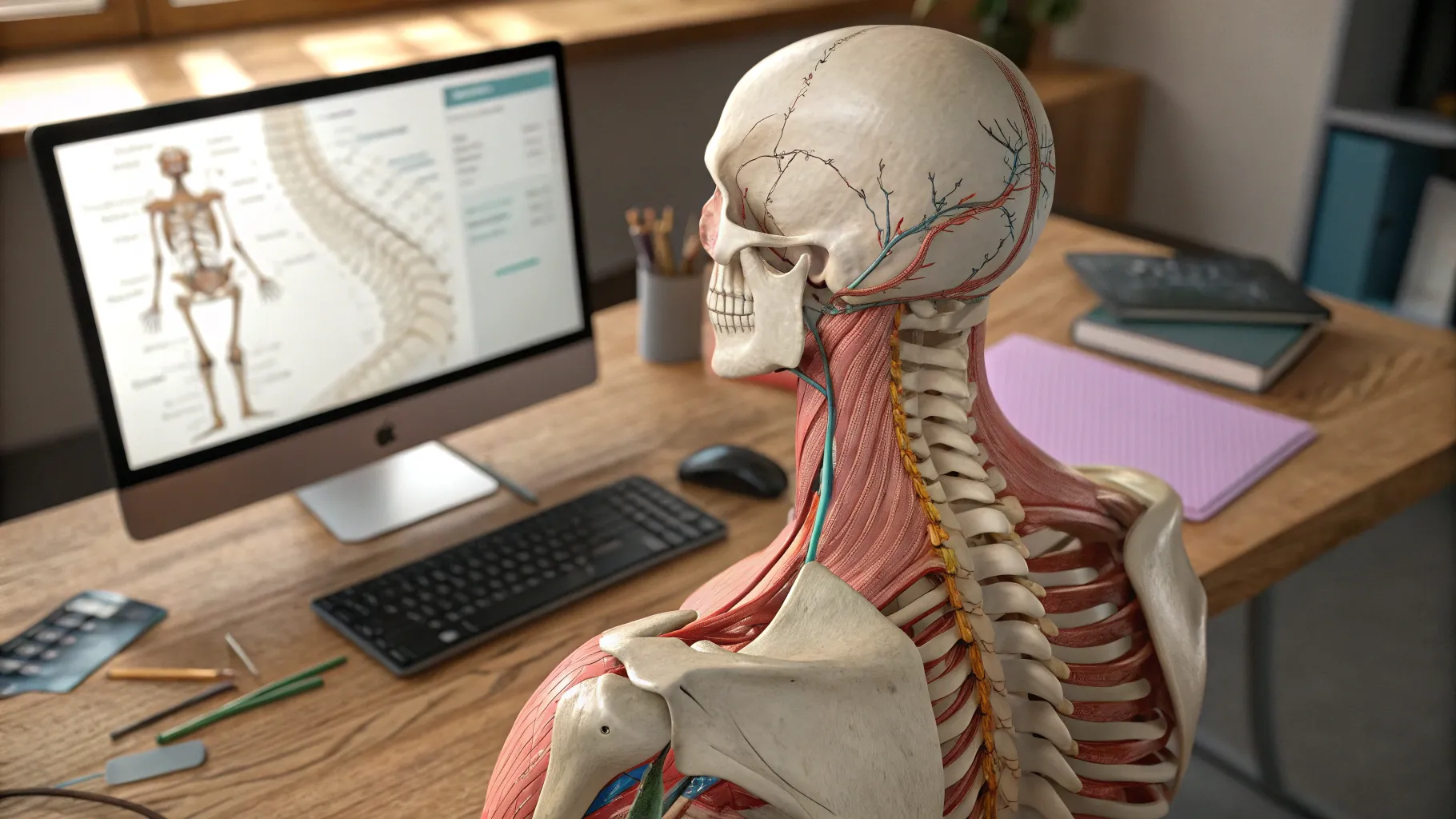
Understanding 5 Causes of Chronic Neck Pain
Chronic neck pain has become an increasingly common complaint in today’s fast-paced world, where many people find themselves tethered to their desks or glued to digital devices. In fact, recent studies in 2024 show that nearly 30% of adults in the U.S. report experiencing some form of neck discomfort at least once a week. Understanding the various causes of chronic neck pain can empower individuals to seek effective neck pain management strategies. This article delves into five primary factors contributing to chronic neck discomfort.
1. Poor Posture
In our digital age, poor posture has emerged as a significant contributor to neck strain. Many individuals spend long hours hunched over computers or tilted towards smartphones. A study conducted by the American Chiropractic Association in late 2024 revealed that users who maintain a poor posture while using mobile devices are 50% more likely to experience chronic neck pain compared to those who practice good ergonomics.
When the head is tilted forward, the weight on the cervical spine increases, leading to muscle tension and pain. It’s crucial to maintain a neutral spine position – keeping the ears aligned with the shoulders and the shoulders relaxed. Using supportive chairs, adjusting screen heights, and taking regular breaks can help alleviate this strain.
2. Muscle Strain and Injuries
Muscle strain from overuse is another leading cause of chronic neck pain. Engaging in repetitive movements or lifting heavy objects without proper technique can strain neck muscles. Challenges related to sports injuries or accidents, such as whiplash, also contribute to long-term discomfort. According to a survey by the National Institute of Health completed in early 2025, whiplash injuries account for 15% of chronic neck pain cases in adults, particularly those involved in automobile accidents.
It's essential to recognize the early signs of muscle strain, such as persistent soreness or tightness, and to seek corrective measures like physical therapy or targeted exercises to rehabilitate and strengthen the neck muscles.
3. Stress and Tension
Stress plays a substantial role in exacerbating neck tension. This is particularly relevant as many individuals in 2025 continue to navigate the emotional and physical toll of daily pressures. When stress mounts, it can lead to muscle tightness, especially in the neck and shoulders. A study by the National Institutes of Health published last year showed a direct correlation between high-stress levels and increased occurrences of neck pain, especially among young professionals.
Practicing stress management techniques such as mindfulness, meditation, or yoga can significantly reduce neck tension. Incorporating regular physical activity promotes muscle relaxation and enhances mood, proving beneficial for the neck and overall well-being.
4. Degenerative Disc Disease
As individuals age, they may develop degenerative disc disease, a condition where the intervertebral discs lose hydration and elasticity, often resulting in chronic neck pain. Recent insights from the Spine Health Foundation indicate that over 60% of individuals above 50 years old experience symptoms related to degenerative disc changes.
This condition can manifest as persistent pain, stiffness, or even radiating pain down the arms. Addressing degenerative disc disease typically involves a combination of medical management, physical therapy, and sometimes surgical interventions in severe cases. Regular check-ups with healthcare providers can enhance early detection and treatment of such conditions.
5. Lifestyle Factors
Certain lifestyle choices also contribute significantly to neck discomfort. Factors such as obesity, lack of physical activity, and smoking can exacerbate neck pain conditions. In 2024, research from the Journal of Pain Management highlighted that individuals with a sedentary lifestyle are 40% more prone to chronic neck issues than their more active counterparts.
Maintaining a balanced diet, engaging in regular exercise, and avoiding smoking can have a profound impact on neck health. Weight management supports overall musculoskeletal health, while exercises targeting the neck and upper back are vital for maintaining postural strength and flexibility.
Strategies for Neck Pain Management
While understanding the causes of chronic neck pain is crucial, it is equally important to explore effective management strategies. Here are a few suggestions:
- Ergonomic Adjustments: Ensure work stations are ergonomically sound by using adjustable chairs and desks, as well as computer screens positioned at eye level.
- Regular Breaks: Take frequent breaks during long hours of desk work. Standing, stretching, or even short walks can vastly relieve tension.
- Exercise: Engaging in regular strength and flexibility exercises specifically for the neck can enhance resilience against pain.
- Heat Therapy: Applying heat using a warm compress or heating pad can soothe tense muscles and reduce pain.
- Professional Help: Consulting healthcare professionals, such as physical therapists or chiropractors, can provide targeted treatment plans tailored to individual needs.
In wrapping up, understanding the five causes of chronic neck pain allows individuals to identify underlying factors that may contribute to their discomfort. By considering lifestyle modifications, integrating preventive practices, and seeking the right treatment, it is entirely possible to manage neck pain effectively and reclaim a comfortable, pain-free life.