Exercise Routines for Seniors Low Impact Fitness Guide
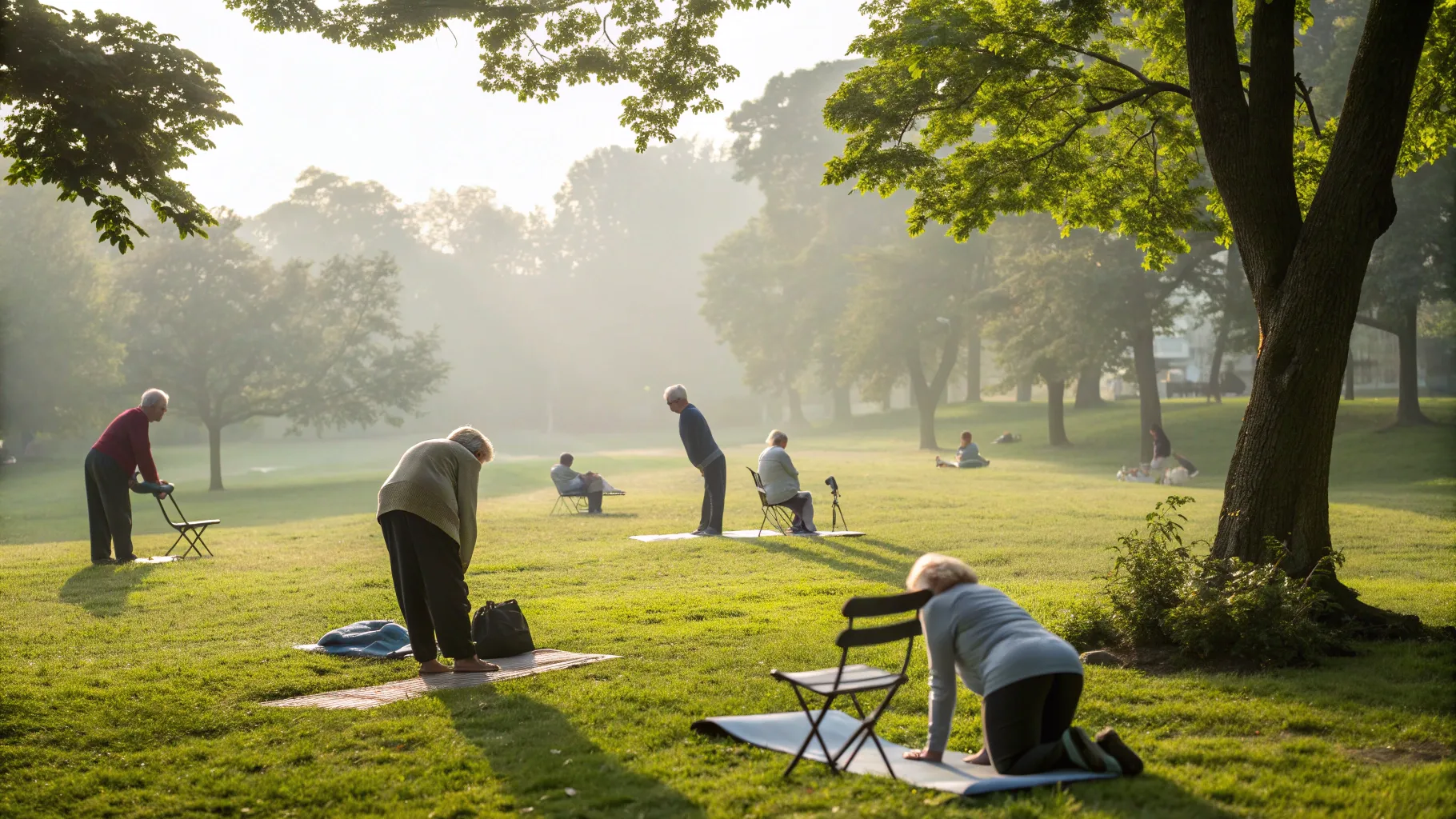
Discovering Exercise Routines for Seniors
Staying active is vital for maintaining health, especially as age impacts both body and mind. In 2025, integrating exercise into the daily lives of seniors is more critical than ever. Structured, personalized exercise programs not only foster physical health but also significantly elevate mental well-being, enhancing the overall quality of life for older adults.
Benefits of Low-Impact Workouts for Seniors
Low-impact workouts designed for seniors offer a sustainable path to fitness. These activities enable older adults to stay active without placing excessive strain on their joints. This consideration is crucial, as over 50% of seniors aged 65 and older experience arthritis, making careful exercise essential. Here are some powerful benefits of low-impact workouts:
- Improved mobility: Regular low-impact exercises help maintain joint flexibility and muscle strength, both of which are vital for independence in later years.
- Enhanced cardiovascular health: Gentle activities like walking or cycling strengthen the heart, reducing the risk of heart disease—a pressing concern for older populations.
- Better balance and coordination: Routines focusing on strength and flexibility significantly lower the fall risk, a significant concern for many seniors.
A study published in early 2025 revealed that seniors participating in water aerobics and chair yoga showed a remarkable 25% improvement in balance over six months compared to their sedentary peers. These results demonstrate the potency of low-impact routines for this age group.
Safe Fitness Routines for Seniors with Everyday Benefits
When creating effective fitness routines for seniors, safety must be a priority. Exercises should be adaptable to accommodate varying abilities, ensuring inclusivity for all. A well-structured guide to safe exercises typically features:
- Consultation with healthcare providers: Before starting any exercise program, it's wise for seniors to engage with their physician. This ensures that their fitness plans align with their specific health needs.
- Warm-up and cool-down routines: Gentle warm-up and cool-down exercises are essential to prevent injuries, allowing seniors to transition safely into and out of their workouts.
- Focus on strength training: Incorporating light resistance training or using resistance bands can help build muscle strength crucial for daily activities.
A motivating example is Mrs. Thompson, a 72-year-old retiree who began a strength training regime. In just three months, she reported significant improvements in her ability to manage groceries and household chores. Her newfound strength not only enhanced her physical abilities but also enriched her overall daily life.
Examples of Senior-Friendly Physical Activities for Maintaining Mobility
Keeping exercise enjoyable and engaging is key to maintaining fitness. Here are several approachable, senior-friendly activities that promote mobility and enhance well-being:
- Walking: This simple yet effective exercise boosts cardiovascular health and can be done alone or with friends, creating an excellent opportunity for social interaction.
- Chair yoga: Ideal for seniors with limited mobility, chair yoga blends flexibility and strength in a gentle practice that accommodates all levels.
- Stretching exercises: Regular stretching maintains flexibility and combats stiffness, a common issue for many aging bodies.
- Dancing: Participating in dance, whether it’s ballroom, line dancing, or group classes, improves cardiovascular health and lifts spirits, transforming workouts into enjoyable experiences.
Recently, community centers reported a staggering 40% increase in participation in group fitness classes for seniors, particularly those involving dance. This trend highlights how fun and social activities can seamlessly reinforce fitness goals.
It's important for seniors not to feel overwhelmed when creating effective exercise routines. Here are some straightforward yet impactful strategies to maximize the benefits of their physical activities:
- Stay consistent: Aim for at least 150 minutes of moderate aerobic activity each week. This can be broken down into manageable sessions throughout the week.
- Listen to your body: Seniors should pay attention to their body’s signals during workouts; if any pain arises, modifying exercises becomes essential to accommodate personal health conditions.
- Incorporate social elements: Exercising with friends or joining community classes not only boosts motivation but also makes fitness feel less daunting and more enjoyable.
Seniors like Mr. Johnson, who embraced a Tai Chi class, have noted transformative changes in their health and social interactions. These movements not only emphasize physical activity but also cultivate community ties that significantly enhance mental health. Research continuously supports the notion that social engagement substantially uplifts seniors' mental well-being, fostering a more vibrant, fulfilling life.
Embracing diverse exercise routines empowers seniors to discover enjoyable and sustainable ways to stay active. Incorporating regular physical activity not only boosts life energy but also rejuvenates daily experiences with hope and vitality. Each small step toward an active lifestyle counts. The benefits of maintaining an exercise routine profoundly impact all areas of life, from enhancing physical health to uplifting emotional well-being.
For seniors looking to kick-start their fitness journey, starting with activities that feel comfortable and enjoyable is key. Exploring options within their community and crafting a personalized workout schedule can lead to lasting benefits and a more engaged, active lifestyle.