Exercise Routines for Seniors A Guide to Safe Workouts
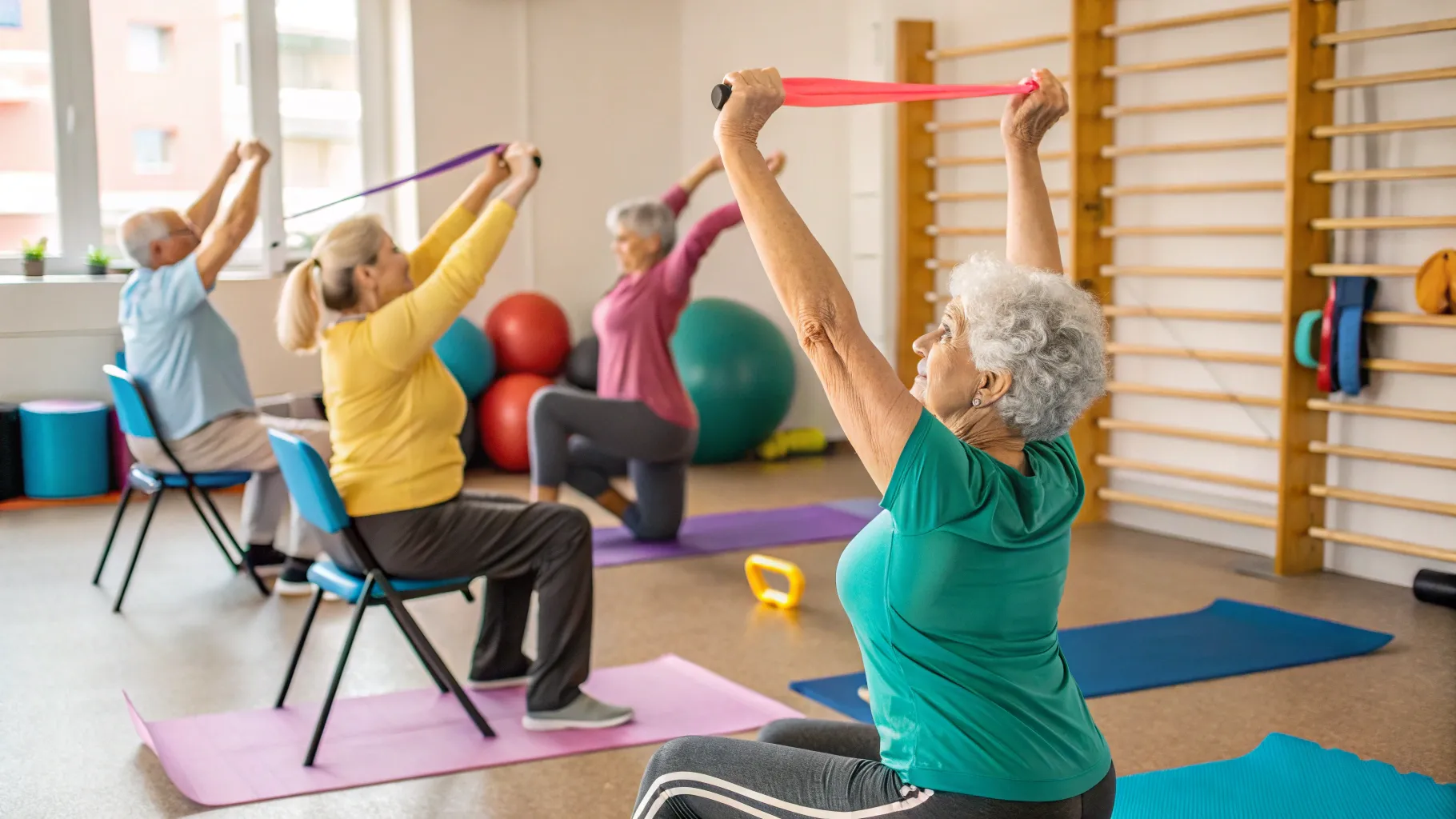
Exercise Routines for Seniors Explained with Examples
Staying active is essential for seniors to maintain not only physical health but also mental well-being. As we age, our bodies require different approaches to fitness, often focusing on low-impact workouts that are easier on the joints while promoting mobility and strength. In fact, according to recent statistics, nearly 80% of older adults recognize that regular exercise significantly enhances their quality of life. This article will discuss various exercise routines for seniors and provide examples of safe, effective workouts suitable for older adults.
Understanding Low-Impact Workouts Designed for Older Adults
Low-impact workouts are gentle exercises that minimize stress on the joints, making them ideal for seniors who may have arthritis or other joint issues. Activities such as walking, swimming, and cycling are not only easy on the body but also incredibly beneficial. For instance, walking at a comfortable pace for just 30 minutes five times a week can lead to improved cardiovascular health, better balance, and stronger muscles.
- Walking: A simple yet effective way to boost heart health.
- Swimming: Provides full-body resistance with minimal impact.
- Chair Yoga: Increases flexibility and reduces stress.
- Resistance Band Exercises: Builds strength without heavy weights.
One particularly effective routine is the Chair Yoga class. This involves performing yoga poses while seated, which can aid in enhancing flexibility and reducing tension. Classes have surged in popularity in the last six months, with reports indicating that participation has increased by over 50% in community centers across the country.
Fitness Routines for Seniors with Everyday Benefits
Engaging in regular exercise routines offers more than just physical benefits; it also fosters mental resilience and emotional stability. Many seniors have found that regular physical activity provides a sense of accomplishment and purpose throughout their day-to-day lives. In fact, a recent study showed that older adults who exercise regularly experience a 30% lower risk of developing cognitive decline.
Examples of Fitness Routines: Getting Started
Here's a simple routine that incorporates various exercises to maintain mobility, adapt to different fitness levels, and can be done at home:
- Warm-Up (5 minutes): March in place or do gentle side stretches to prepare the body.
- Chair Stands (10 repetitions): Aids in lower body strength. Stand up from a seated position without using your arms and sit back down. Repeating this improves leg strength and overall balance.
- Wall Push-Ups (10 repetitions): A gentle way to strengthen the upper body without straining joints. Stand an arm’s length away from the wall, place your hands on the wall, and perform push-ups.
- Standing Calf Raises (10 repetitions): Helps with balance and lower leg strength. Stand upright and slowly raise your heels, then lower them back down.
- Cool Down (5 minutes): Stretch major muscle groups to improve flexibility; gentle neck rolls and arm stretches are great examples.
Implementing these routines a few times a week not only promotes better strength and flexibility but also can significantly improve activities of daily living, like climbing stairs, getting up from a chair, or even carrying groceries. Incorporating a consistent routine has led many to feel an increase in confidence and independence in their daily lives.
Social Benefits of Group Activities and Classes
Participating in group exercises can provide social benefits, as well. Many community centers offer classes specifically targeted for seniors, such as Tai Chi or water aerobics, which not only improve physical health but also foster friendships and community ties. Engaging with others in a class setting can lead to enhanced motivation and accountability. Recent data indicates that seniors who participate in group fitness programs are 40% more likely to continue exercising.
A fantastic example of this can be seen in local senior centers that have started outdoor walking groups during the spring months. These groups not only focus on physical fitness through walking but foster interactions among peers, which is vital for mental health.
Informative Guide to Safe Exercises for Retirees
Safety is paramount for seniors when engaging in physical activity. It's essential to choose exercises that minimize risk while promoting health. A few key safety tips include:
- Consult a Healthcare Provider: Before starting any new exercise program, especially if there are existing health concerns.
- Listen to Your Body: Pay attention to what feels good and avoid any movements that cause pain.
- Stay Hydrated: Drink plenty of water before, during, and after exercising.
- Wear Proper Footwear: Supportive shoes can prevent slips and falls.
In recent months, the trending practice of mindfulness during exercise has also gained popularity, where seniors focus on both their physical movements and mental presence, making each session more effective and enjoyable. This not only enhances the effectiveness of workouts but also contributes positively to mental health.
Engaging in regular exercise routines geared toward seniors not only promotes physical health and independence but also fosters a vibrant community spirit. The importance of maintaining mobility through senior-friendly physical activities cannot be overstated. With the right approach and mindset, seniors can lead fulfilling, active lives, enjoying the everyday benefits that come from keeping physically fit.