Essential Walking Aids for Elderly People in 2025
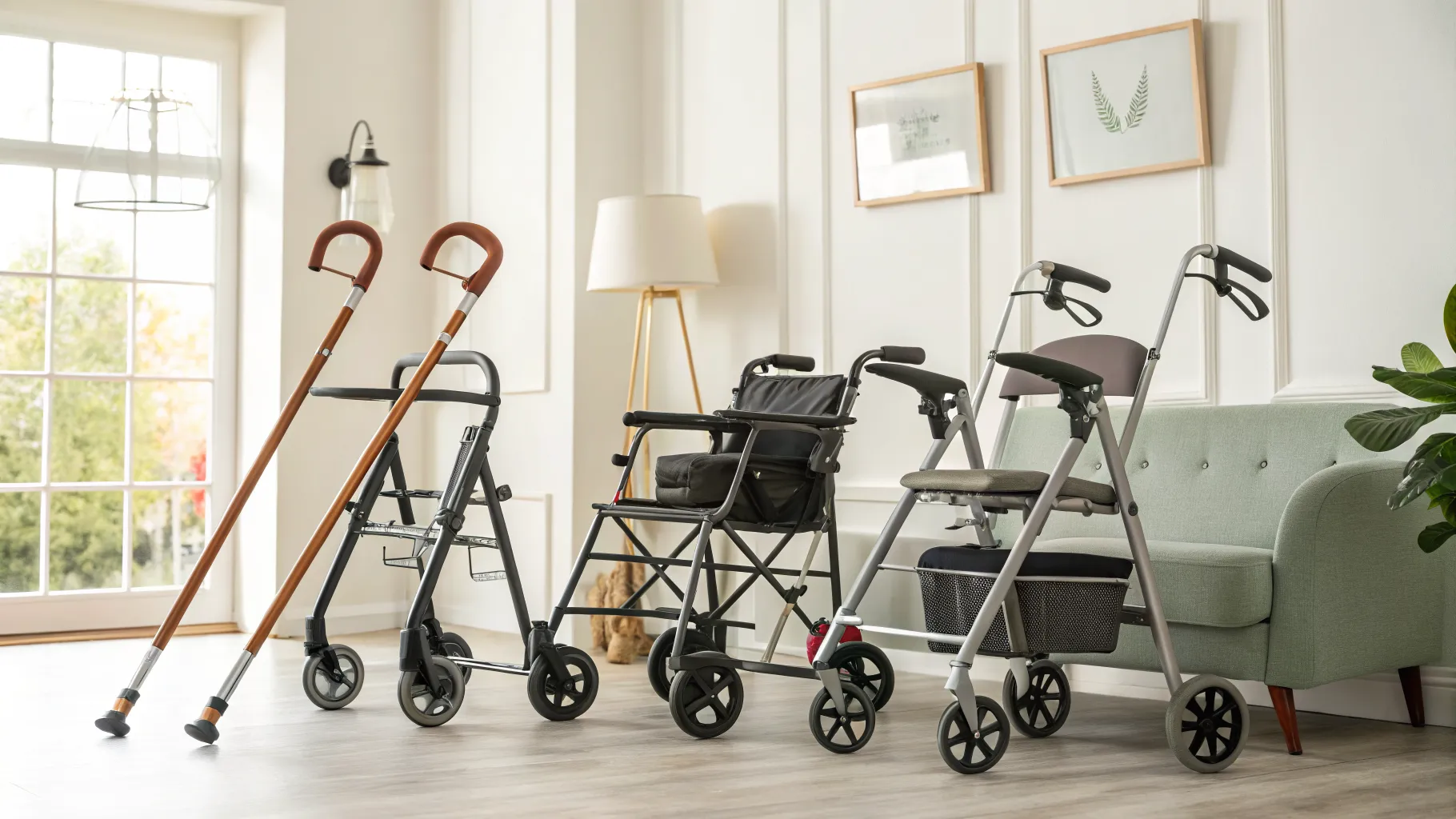
Walking Aids for Elderly People Enhancing Mobility and Independence
As we age, maintaining mobility becomes increasingly important for our autonomy and well-being. In 2025, a variety of walking aids for elderly people is more extensive than ever, evolving to meet the unique needs of seniors. This article explores the various types of mobility aids available to seniors, offers advice on choosing the right walking aid, and emphasizes the significance of these devices in enhancing everyday life.
Types of Walking Aids for Elderly People
Walking aids come in many forms, each designed to cater to different levels of mobility and specific needs. Here are some popular types of mobility aids for seniors that are widely used in 2025:
- Walking Sticks and Canes: Canes are among the most common walking aids. They provide stability and support for those who have difficulty walking or may feel unsteady. Various types of canes are available, including traditional straight canes, quad canes for increased support, and ergonomic designs that reduce wrist strain. Recent innovation has introduced canes with built-in shock absorption for added comfort.
- Walkers: Walkers are designed for individuals who need more support. They come in several styles, such as two-wheeled walkers, which are easier to maneuver, and rollators, which include wheels and a seat for resting. In 2025, many walkers feature lightweight materials and can easily fold for transportation or storage, enhancing their usability.
- Wheelchairs: For seniors with more significant mobility challenges, wheelchairs—both manual and electric—offer a means of transportation that ensures independence. Electric wheelchairs have gained popularity due to their ease of use, compact designs, and the ability to navigate various terrains, making them highly effective for community mobility.
- Mobility Scooters: These are ideal for seniors who can walk short distances but require assistance for longer journeys. Mobility scooters are available in various models, from compact designs suitable for indoor use to robust options for outdoor outings, accommodating different lifestyles and mobility needs.
Choosing the Right Walking Aid
Choosing the right walking aid can greatly impact a senior's quality of life. Here are several key considerations to help navigate the selection process:
1. Assess Mobility Needs: Before selecting a walking aid, evaluating the individual’s mobility level is crucial. A healthcare professional can provide valuable insights into what type of assistance is most beneficial based on existing conditions, overall strength, and daily activities. Sometimes, a comprehensive evaluation may include functional mobility tests to assess balance and coordination.
2. Consider the Environment: Seniors should think about where they will primarily use their walking aids. If navigating through narrow hallways or tight spaces, a cane or narrower walker may be best. In contrast, durable outdoor surfaces might necessitate the robustness of mobility scooters or walkers with wheels designed for various terrains.
3. Test Mobility Aids: It’s essential for seniors to physically try out mobility aids before purchasing. Many healthcare facilities or mobility stores offer the opportunity to test various aids, ensuring comfort and suitability. This hands-on approach can help prevent buyer's remorse and enhance user satisfaction.
4. Look for Adjustability: Many walking aids are adjustable, allowing customization for different heights and preferences. This adaptability can provide greater comfort and effectiveness, making daily use easier and more enjoyable.
In a recent survey conducted by the National Institute on Aging, over 60% of senior participants reported improved confidence in their mobility after using walking aids. The right aid not only supports physical stability but also enhances mental well-being by fostering independence. One case study highlighted that after adopting appropriate mobility aids, participants felt more empowered, enabling them to engage in social activities and hobbies previously avoided due to mobility limitations.
Assistive Devices for Elderly Mobility
Besides traditional walking aids, various assistive devices for elderly mobility are available to enhance everyday life and reduce the risk of falls:
- Grab Bars: Installed in bathrooms and hallways, grab bars provide crucial support for seniors while moving around their homes. According to recent data, homes equipped with grab bars experience 30% fewer accidents related to falls.
- Shower Chairs: These provide safe sitting options while bathing, significantly reducing the risk of slips in slippery environments. With designs that cater to various needs, including foldable and adjustable models, shower chairs are invaluable for maintaining independence during personal care tasks.
- Lift Chairs: Lift chairs assist seniors in rising from a seated position without strain, making transitioning from sitting to standing more manageable. Many modern lift chairs also come with massage and heating features, providing additional comfort.
- Smart Mobility Devices: Emerging technology now integrates with mobility aids through apps for tracking movement, setting reminders for medication, and notifying caregivers, enhancing safety and independence. These innovations not only offer seniors increased autonomy but also allow family members to monitor their activity, improving peace of mind.
A report from the Global Seniors Organization noted that individuals utilizing a combination of assistive devices experienced a jaw-dropping 50% reduction in fall-related incidents. This statistic underscores the critical importance of selecting suitable mobility aids and making necessary modifications to living environments.
Ultimately, understanding the different types of walking aids and their specifications can profoundly impact seniors’ lives, empowering them to regain control over their mobility. Adopting these solutions enables older adults to maintain an active lifestyle, participate in social activities, and enjoy the freedom of movement. In this fast-evolving world of mobility aids, innovation continues to pave the way for safer, more user-friendly products.
By staying informed and proactive, seniors and their caregivers can make choices that foster independence, enhance daily living, and positively affect their overall well-being. With the right information, the selection of walking aids becomes not only a practical consideration but a pathway to a more fulfilling and liberated life.