Essential Vitamins for Senior Eye Health and Vision Support
Vitamins That Support Eye Health in Seniors
As we age, maintaining our health requires increased attention to nutrition, particularly when it comes to our eyes. Vision problems among seniors are quite common, with conditions such as macular degeneration and cataracts being prevalent. In 2025, the importance of vitamins that support eye health in seniors is more evident than ever, with numerous studies highlighting how specific nutrients can protect and enhance visual function. This educational guide aims to illuminate the vital role of these nutrients and provide tips on how seniors can incorporate them into their diets effectively.
What to Know About Nutrients Linked to Vision in Older Adults
Understanding the link between nutrients and vision is essential for older adults interested in preserving their eye health. It appears that certain vitamins play crucial roles in maintaining the integrity of the retina and overall ocular function. Among the key vitamins that many experts across the world focus on are:
- Vitamin A: Known for its role in maintaining good night vision, vitamin A is paramount for the health of photoreceptors in the retina. In a recent study conducted in 2025, researchers noted that seniors consuming an adequate amount of vitamin A had a 25% lower risk of developing age-related macular degeneration (AMD).
- Vitamin C: This powerful antioxidant is essential for eye health. Studies indicate that individuals with higher vitamin C intake have reduced risks of cataracts. A survey showed that seniors with a diet rich in fruits and vegetables high in vitamin C were 35% less likely to develop cataracts compared to those with low intake.
- Vitamin E: Like vitamin C, vitamin E is known for its antioxidant properties. According to recent trials, it has been linked to a lower risk of AMD among older adults, especially when taken in conjunction with other antioxidants like vitamin C.
- Omega-3 Fatty Acids: While not a vitamin, the inclusion of omega-3 fatty acids is necessary for eye health. They are known to support retinal health and may lead to improved visual function. A study in early 2025 found a direct connection between omega-3 supplementation and reduced incidence of dry eye syndrome in seniors.
- Lutein and Zeaxanthin: These carotenoids are essential for protecting the eye from harmful high-energy light waves, including ultraviolet rays. Recent evidence strongly supports their role in preventing chronic eye diseases, making them crucial components of senior diets.
Enhancing diet with these vitamins not only supports eye health but also plays a part in overall wellness as we age.
Examples of Vitamins Often Discussed for Senior Eye Care
When it comes to dietary choices, seniors can focus on incorporating specific food items rich in the vitamins listed above. Let’s explore some practical examples:
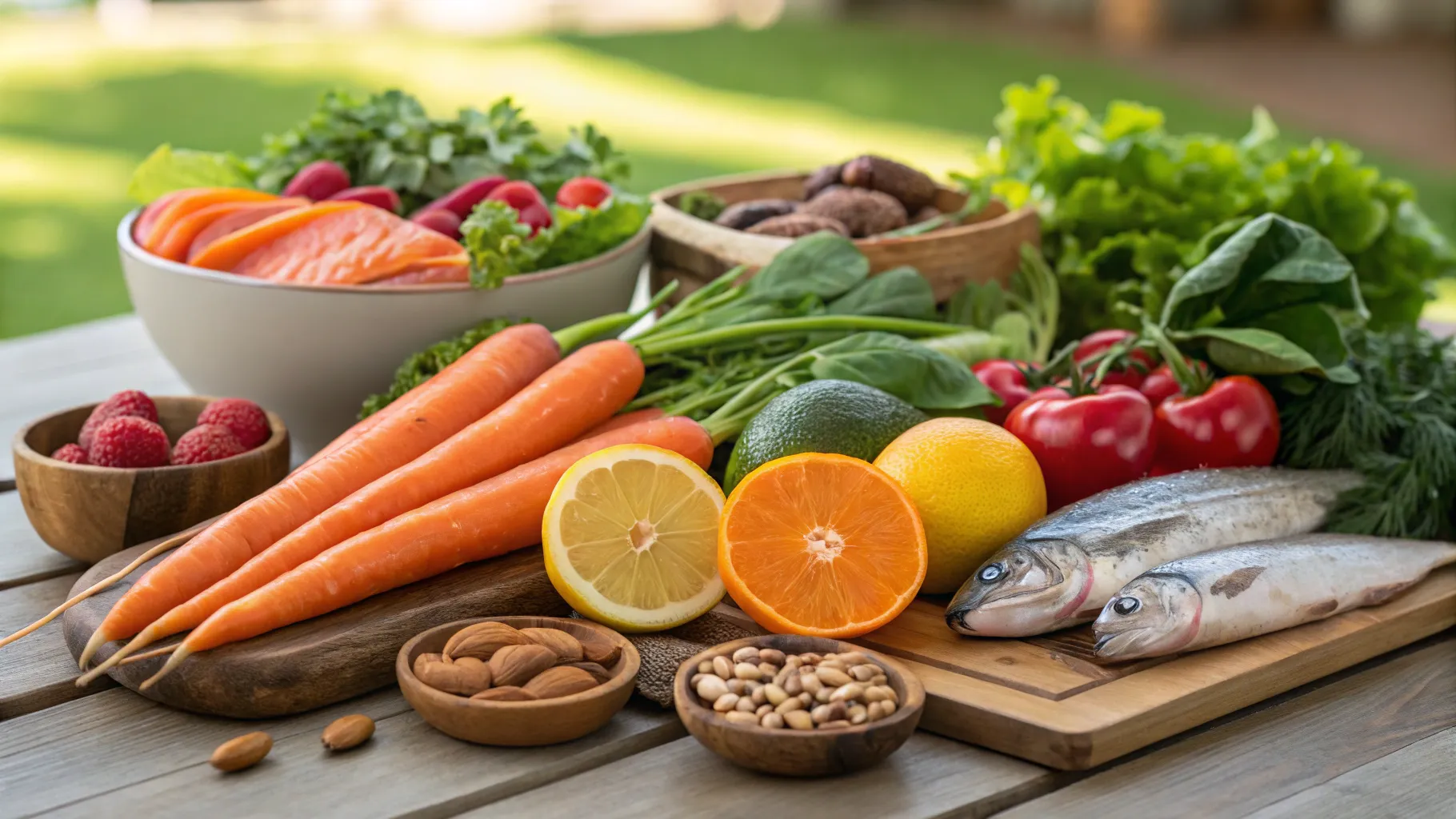
- Carrots: Packed with beta-carotene, a precursor to vitamin A, carrots are excellent for maintaining good vision. Whether raw, roasted, or blended into smoothies, they're easy to incorporate into meals.
- Citrus Fruits: Oranges, lemons, and grapefruits are great sources of vitamin C. A daily serving of these not only provides hydration but boosts the immune system, which is beneficial for eye health.
- Spinach and Kale: Leafy greens are rich in lutein and zeaxanthin. Cooking them lightly maintains their nutritional value while adding a fresh element to meals.
- Nuts and Seeds: Almonds, sunflower seeds, and walnuts are excellent sources of vitamin E and omega-3 fatty acids. Incorporating these into snack routines or breakfast cereals can provide significant benefits.
- Fatty Fish: Salmon, sardines, and mackerel are high in omega-3 fatty acids. Regular consumption can lead to better tear production and reduce dry eye discomfort.
Understanding how to balance meals can significantly impact vision health. Making these choices readily available in everyday diets is essential for seniors.
How Seniors Can Include Eye-Supporting Nutrients in Diet
In practical terms, here are actionable tips to ensure that seniors can include eye-supporting nutrients seamlessly into their daily routines:
- Start the Day Right: Breakfast is an ideal time for eye-healthy foods. A smoothie made from spinach, bananas, and a scoop of almond butter can provide a robust nutritional foundation packed with essential vitamins.
- Culinary Diversity: Encourage seniors to try new recipes that integrate a variety of colorful fruits and vegetables each week. Using herbs and spices can enhance flavors without added sodium.
- Frequent Snacks: Healthy snacks such as carrot sticks with hummus, a fruit salad, or a handful of nuts can help keep energy levels stable while providing essential nutrients.
- Stay Hydrated: Dehydration can impact eye health. Water, infused with lemon or cucumber, can make hydration more appealing and beneficial.
- Educate and Engage: Cooking classes focused on nutrition for eye health can empower seniors to take charge of their dietary choices, making food preparation both informative and enjoyable.
The connection between nutrition and eye health continues to gain attention, reinforcing the idea that what we consume has a direct effect on our well-being, particularly for seniors. Adopting these tips can empower older adults to maintain their vision and enhance their quality of life.
In summary, prioritizing vitamins that support eye health in seniors is crucial for maintaining optimal vision and preventing age-related conditions. By consciously incorporating these vitamins and nutrients into their diets, seniors can take proactive steps toward preserving their sight for years to come.