Essential Vitamins for Senior Eye Health Explained
Vitamins That Support Eye Health in Seniors
As we age, the importance of taking care of our vision cannot be overstated. Particularly for seniors, maintaining good eye health can significantly enhance quality of life. Vitamins that support eye health in seniors are not just buzzwords; they are critical components that can help prevent common eye disorders and enhance overall well-being. This article aims to shed light on the nutrients linked to vision in older adults, providing an educational guide to senior eye health.
What to Know About Nutrients Linked to Vision in Older Adults
In the quest to safeguard our eyesight as we age, certain vitamins have emerged as champions. Among the most notable are Vitamin A, Vitamin C, Vitamin E, Lutein, and Zeaxanthin. Each of these nutrients plays a unique role in promoting eye health.
- Vitamin A: Essential for maintaining good vision, Vitamin A helps prevent night blindness and supports overall eye structure. Studies show that seniors with adequate Vitamin A intake are less prone to developing age-related macular degeneration (AMD).
- Vitamin C: Known for its antioxidant properties, Vitamin C protects the eyes against oxidative stress caused by free radicals. This vitamin is linked to lowering the risk of cataracts and AMD.
- Vitamin E: Another powerful antioxidant, Vitamin E contributes to the health of cell membranes in the eyes. Research indicates that seniors with higher Vitamin E levels may have a reduced risk of cataracts.
- Lutein: This carotenoid is primarily found in green leafy vegetables. Lutein filters harmful blue light and has been associated with lowering the chances of chronic eye diseases.
- Zeaxanthin: Closely related to lutein, zeaxanthin is another carotenoid that helps protect the macula, the central part of the retina. Including zeaxanthin-rich foods in the diet can enhance visual performance and comfort.
The American Journal of Clinical Nutrition released a study in the last six months highlighting that senior adults consuming higher quantities of lutein and zeaxanthin through their diet experienced a noticeable improvement in visual acuity. These research findings reinforce the importance of these nutrients in our diets.
Examples of Vitamins Often Discussed for Senior Eye Care
To dive deeper into the specific vitamins and their sources, let’s explore how seniors can conveniently include these essential nutrients into their daily diets. A well-rounded approach often combines supplements with food sources.
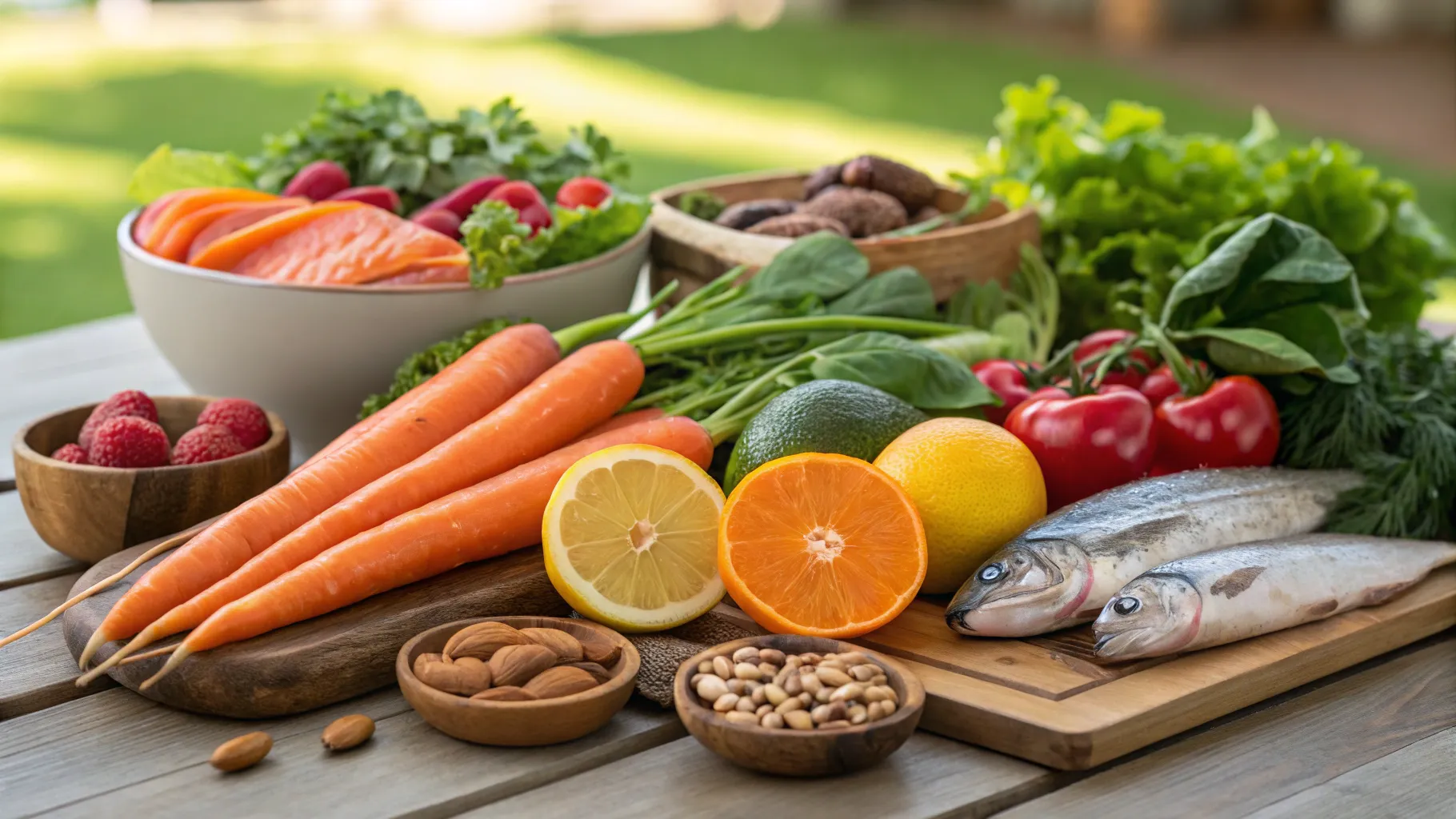
- Carrots: Often touted as a superfood for eye health, carrots are rich in beta-carotene, which the body converts into Vitamin A. Snacking on raw carrots or incorporating them into meals can be highly beneficial.
- Citrus Fruits: Oranges, strawberries, and grapefruits are abundant in Vitamin C. Adding a piece of fruit to breakfast or enjoying a citrus salad can enhance Vitamin C intake.
- Nuts and Seeds: Almonds and sunflower seeds are excellent sources of Vitamin E. They make for great snacks, or you can sprinkle them on salads and cereals for an added crunch.
- Leafy Greens: Spinach and kale are particularly rich in lutein and zeaxanthin. Including these greens in salads or smoothies ensures seniors receive a hearty dose of these vital nutrients.
- Fish: Rich in omega-3 fatty acids, fatty fish like salmon and tuna contribute to overall eye health and can help reduce the risk of dry eyes and macular degeneration.
In a practical twist, a recent survey conducted among senior citizens revealed that those who actively incorporated salads filled with leafy greens and citrus fruits into their meals felt a marked improvement in their eye health over the past year. This serves as a testament to the effectiveness of good dietary choices.
How Seniors Can Include Eye-Supporting Nutrients in Their Diet
Incorporating eye-supporting nutrients into one’s diet doesn’t have to be a daunting task. Here are some practical tips for seniors looking to enhance their eye health:
- Meal Planning: Designing a weekly meal plan can assist seniors in ensuring a well-balanced intake of vitamins. Focus on including colorful vegetables and fruits, nuts, and fish in their weekly menus.
- Cooking Methods: Opt for cooking methods that preserve nutrients. Steaming or grilling vegetables rather than boiling can retain more vitamins.
- Supplements: For seniors who find it difficult to meet their nutritional needs through diet alone, discussing the option of taking supplements with a healthcare provider can provide an additional safety net.
- Stay Hydrated: Adequate water intake also supports eye health by keeping the eyes moist and helping to reduce dryness.
- Routine Eye Exams: Regular check-ups with an eye care professional can help in catching any potential issues early. These exams are also an opportunity to discuss dietary needs concerning vision.
Leading a proactive lifestyle that embraces these dietary adjustments can not only aid in preventing vision problems but also foster a healthier, more fulfilling life well into one’s golden years. By prioritizing these vitamins and making simple, yet impactful changes, seniors can boost their eye health with ease.
In conclusion, as we continue to learn more about the relationship between nutrition and eye health, it's clear that the right mix of vitamins can be transformative. Ensuring adequate intake of these vitamins that support eye health in seniors can be the key to maintaining vision and overall well-being as we age. With just a few mindful dietary choices, we can champion our eye health for years to come.