Understanding Vitamins for Hair Loss and Growth Solutions
Understanding Vitamins for Hair Loss
In today's world, a significant number of people face the challenge of hair loss. According to recent statistics, about 40% of women and 60% of men experience some form of hair thinning or loss by their mid-30s. While genetics play a predominant role in hair health, nutrition cannot be overlooked. Vitamins for hair loss have gained attention as practical solutions in the pursuit of luscious locks and robust hair growth.
The Best Vitamins for Hair Growth
Having a balanced diet rich in essential vitamins can significantly influence the health and vitality of your hair. Let’s take a closer look at some of the best vitamins for hair growth and how they contribute to hair loss prevention:
- Vitamin A: Known for its pivotal role in cell growth, Vitamin A is essential for not only skin health but also for maintaining the health of hair follicles. It supports the production of sebum, which keeps the scalp moist and healthy.
- Vitamin B7 (Biotin): Often heralded as the MVP of hair loss supplements, Biotin has been linked to growth support in hair follicles. Its deficiency can lead to hair thinning, which is said to affect approximately 10% of those suffering from hair loss.
- Vitamin C: An antioxidant powerhouse, Vitamin C protects hair from damage by free radicals. It also helps in the absorption of iron, an essential mineral for hair health. Recent studies have highlighted a connection between Vitamin C intake and reduced hair loss.
- Vitamin D: Increasingly recognized for its association with hair health, vitamin D deficiency has been linked to alopecia areata, an autoimmune condition leading to hair loss. A recent study suggested that supplementing with Vitamin D may assist those trying to regain their hair.
- Vitamin E: Similar to Vitamin C, Vitamin E promotes blood circulation and oxygenation of hair follicles. It has also been shown to improve overall scalp health.
These vitamins are often available in various forms, including natural vitamins for hair regrowth in whole foods and supplements designed specifically for hair loss prevention.
Natural Sources of Essential Hair Vitamins
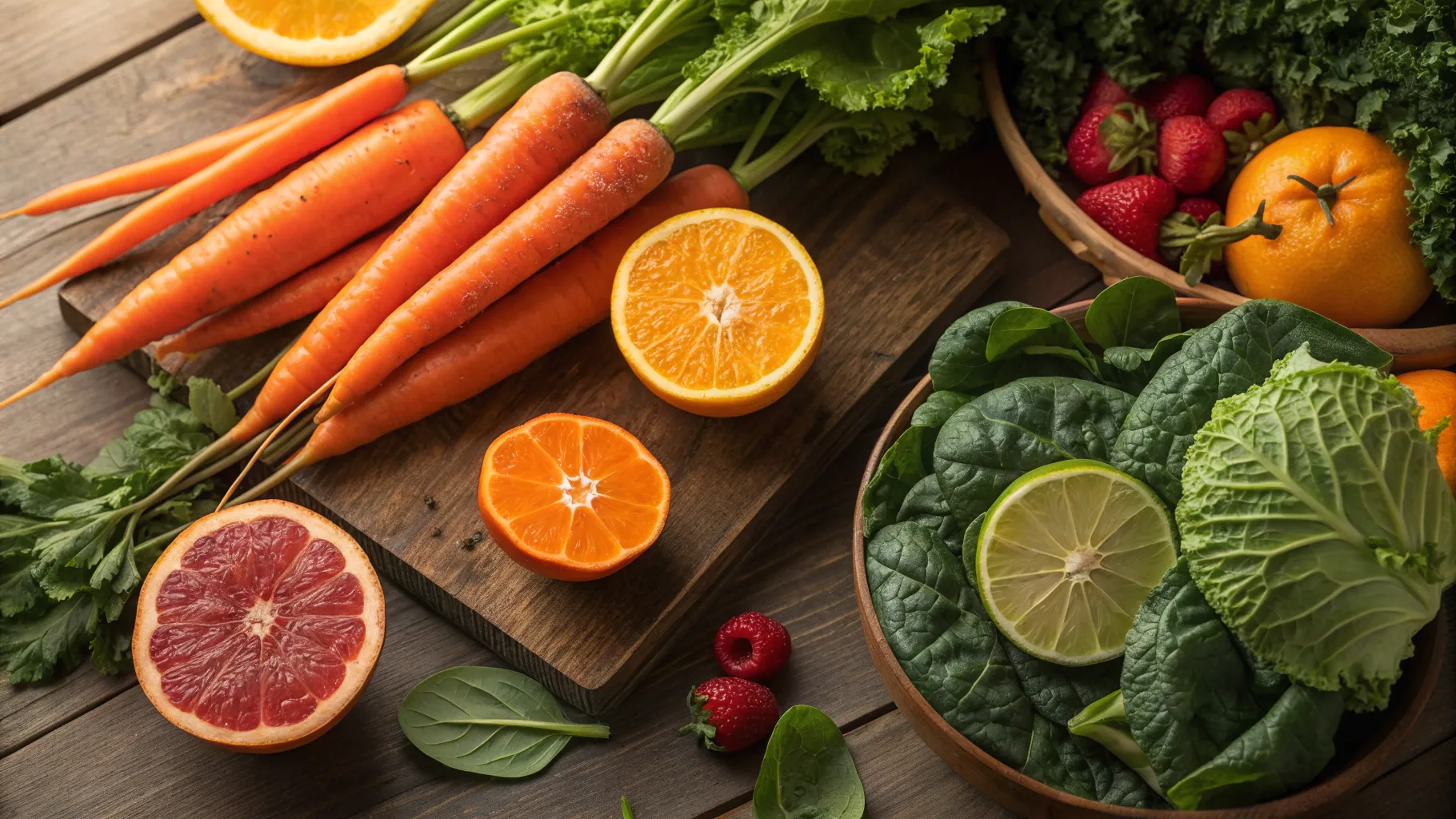
The concept of natural vitamins for hair regrowth can be incorporated seamlessly into your diet. For instance, to boost your Vitamin A intake, consider including carrots, sweet potatoes, and leafy greens like spinach. Foods rich in Vitamin B7, such as eggs, nuts, and avocados, can also dramatically improve hair quality. Citrus fruits are an excellent source of Vitamin C, while fatty fish like salmon can provide essential Vitamin D.
If you prefer supplements, ensure they contain a comprehensive blend of these crucial vitamins, as well as additional ingredients like zinc, omega-3 fatty acids, and collagen, which support overall hair health.
Pursuing Hair Loss Supplements: What to Consider
As the market for hair loss supplements expands, individuals seeking solutions for thinning hair may feel overwhelmed by the myriad products available. When considering hair loss supplements, here are some tips:
- Research Ingredients: Look for products featuring scientifically-backed ingredients like those mentioned above. Always choose those that are free from artificial additives and preservatives.
- Consult with Professionals: It is advisable to seek guidance from a healthcare provider or a nutritionist before starting any new supplement regimen. They can help tailor your approach based on individual health needs.
- Monitor Progress: It often takes at least a few months to notice significant changes in hair growth or density. Keep track of your regimen and be patient.
- Combine Nutrition with Healthy Habits: Supplements work best in conjunction with a balanced diet, proper hydration, and routine scalp care.
With continuous advancements in nutritional research, the connection between vitamins and hair growth remains an exciting focal point. Consider integrating these vitamins and supplements as part of a holistic approach to hair health. This may include optimizing stress management, improving sleep quality, and ensuring regular physical activity—all of which can have a positive impact on hair integrity.
Research-Backed Findings on Hair Loss Prevention Vitamins
Recent studies conducted within the last six months have underscored the importance of vitamins in combating hair loss. For instance, a 2025 survey from the Journal of Dermatological Science showed a 30% increase in participants reporting improved hair growth after consistent use of hair vitamins containing biotin and Vitamin D, coupled with a healthy diet. Furthermore, findings published by the International Journal of Trichology highlighted Vitamin E’s role in fostering hair density and reducing oxidative stress.
Individuals seeking effective hair loss solutions should pay attention not only to individual vitamins but also to the full spectrum of nutrition. Micro-nutrients such as iron, zinc, and proteins should also be considered integral for optimal hair growth.
As 2025 advances, it remains crucial to stay informed about the latest scientific findings in hair health. Investing in vitamins for hair loss is more than just a trend; it’s about understanding the complex relationship between nutrition and hair vitality. Alongside modern treatments and therapies, enhancing your vitamin intake presents a viable strategy for those aiming to maintain or restore their vibrant mane.
Embracing healthy habits and incorporating the best vitamins for hair growth is a positive step towards not only looking good but feeling confident in your hair journey. Remember, whether through natural food sources or specialized supplements, the path to healthy hair starts from within.