Essential Vitamins for Energy and Combating Tiredness
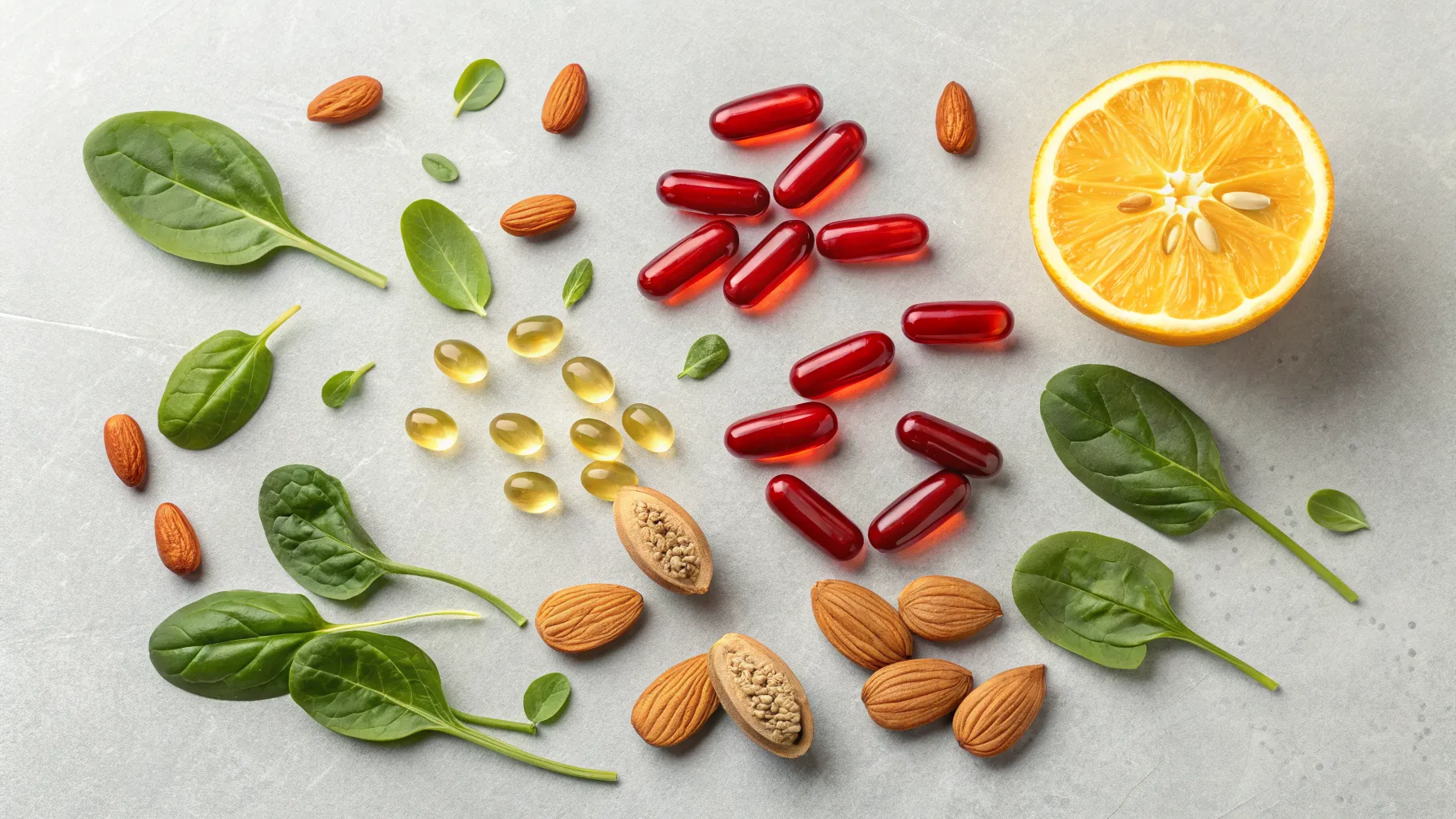
Vitamins for Energy and Tiredness: A Comprehensive Guide
Tiredness can be a persistent issue for many, impacting daily life, productivity, and overall well-being. In 2025, people are increasingly turning to vitamins and supplements to help combat fatigue and boost their energy levels. In this article, we will explore the key vitamins for energy and tiredness, nutrients that support daily energy levels, and how a balanced diet can contribute to a revitalized lifestyle.
Essential Vitamins to Reduce Tiredness
Feeling tired all the time is not just a personal woe; it’s a common problem faced by numerous individuals worldwide. According to recent surveys, around 35% of adults report feeling fatigued on a daily basis, citing factors such as stress, inadequate sleep, and poor nutrition. Let’s delve into the vitamins that are particularly effective at reducing tiredness.
- Vitamin B12: This powerhouse vitamin is crucial for energy production. It aids in the formation of red blood cells, which are responsible for transporting oxygen throughout the body. A deficiency can lead to anemia, resulting in extreme fatigue. Incorporate sources like eggs, dairy products, and fortified cereals into your diet to ensure adequate B12 intake.
- Vitamin B6: Essential for protein metabolism and neurotransmitter synthesis, Vitamin B6 plays a pivotal role in maintaining proper brain function. It contributes to the production of serotonin, which can help elevate mood and combat feelings of tiredness. Foods rich in Vitamin B6 include turkey, fish, potatoes, and non-citrus fruits.
- Vitamin D: Often dubbed the sunshine vitamin, Vitamin D supports various bodily functions including immune health and bone strength. Deficiency in Vitamin D has been linked to feelings of fatigue and lethargy. Since natural sunlight is the best source, try to spend some time outdoors daily or consider a Vitamin D supplement if necessary.
- Iron: While not a vitamin, iron is crucial for energy levels. It helps transport oxygen in the blood, and its deficiency can lead to fatigue. Foods wealthy in iron, like red meat, beans, and fortified cereals, are excellent choices.
Incorporating these vitamins and nutrients into your diet can significantly help in reducing feelings of tiredness.
Supplements that May Help with Fatigue
For individuals struggling with persistent fatigue, supplements can be a useful addition to their daily regimen. Research indicates that certain supplements can effectively combat tiredness. Here are a few noteworthy options:
- Coenzyme Q10: This antioxidant plays a key role in energy production within the cells. Studies have shown that CoQ10 can boost energy levels, especially in those with chronic fatigue syndrome. It is found in small amounts in red meat, fatty fish, and whole grains.
- L-Carnitine: L-Carnitine aids in the transport of fatty acids into the mitochondria, where they are burned for energy. Supplementation can help improve energy levels, particularly in older adults and those with metabolic disorders.
- Rhodiola Rosea: An adaptogenic herb, Rhodiola has been traditionally used to enhance stamina and reduce fatigue. Recent studies suggest it can be effective in reducing fatigue and improving physical performance, making it a popular choice among active individuals.
Always consult a healthcare provider before starting any new supplement to ensure it aligns with your health goals.
Nutrients That Support Daily Energy
Energy isn’t just about vitamins and supplements; it also hinges on the foods we consume. Here’s how different nutrients contribute significantly to our energy levels:
- Complex Carbohydrates: Foods such as whole grains, oats, and legumes provide a steady release of glucose, which is crucial for energy. Unlike refined carbohydrates, which can lead to energy crashes, complex carbs keep blood sugar levels stable.
- Healthy Fats: Omega-3 fatty acids, found in fish, walnuts, and flaxseeds, are vital for brain function and can boost mood, which impacts energy levels positively. Including these in your diet can provide a long-lasting source of energy.
- Hydration: Water plays a key role in energy levels. Dehydration can lead to fatigue, so staying hydrated is essential. Aim for at least eight glasses of fluid a day, adjusting according to your activity level.
By focusing on a balanced diet rich in these nutrients, along with necessary vitamins, one can significantly enhance their energy levels and combat daily tiredness.
Incorporating these elements into your lifestyle doesn’t have to be complex or overwhelming. Gradually integrating more vitamin-rich foods, essential supplements, and energy-boosting nutrients into daily meals can make a significant impact. Remember, achieving optimal energy levels is a holistic effort, encompassing a nutritious diet, supplementation, and healthy lifestyle habits.
Practical Tips for Boosting Your Energy
In addition to vitamins and supplements, consider these practical strategies to boost your energy levels:
- Regular Exercise: Engaging in physical activity boosts blood circulation and releases endorphins, which can enhance mood and energy.
- Sleep Hygiene: Prioritize quality sleep by establishing a routine, reducing screen time before bed, and creating a comfortable sleep environment.
- Stress Management: Chronic stress can drain your energy. Incorporate relaxation techniques like yoga, meditation, or deep breathing exercises into your daily routine.
By combining nutritional support through vitamins for energy and tiredness with practical lifestyle changes, achieving sustained energy throughout the day is attainable. The next time you feel fatigued, consider reaching for these vital nutrients and making the necessary adjustments to reclaim your vitality.