Essential Vitamins for Dementia Support and Brain Health
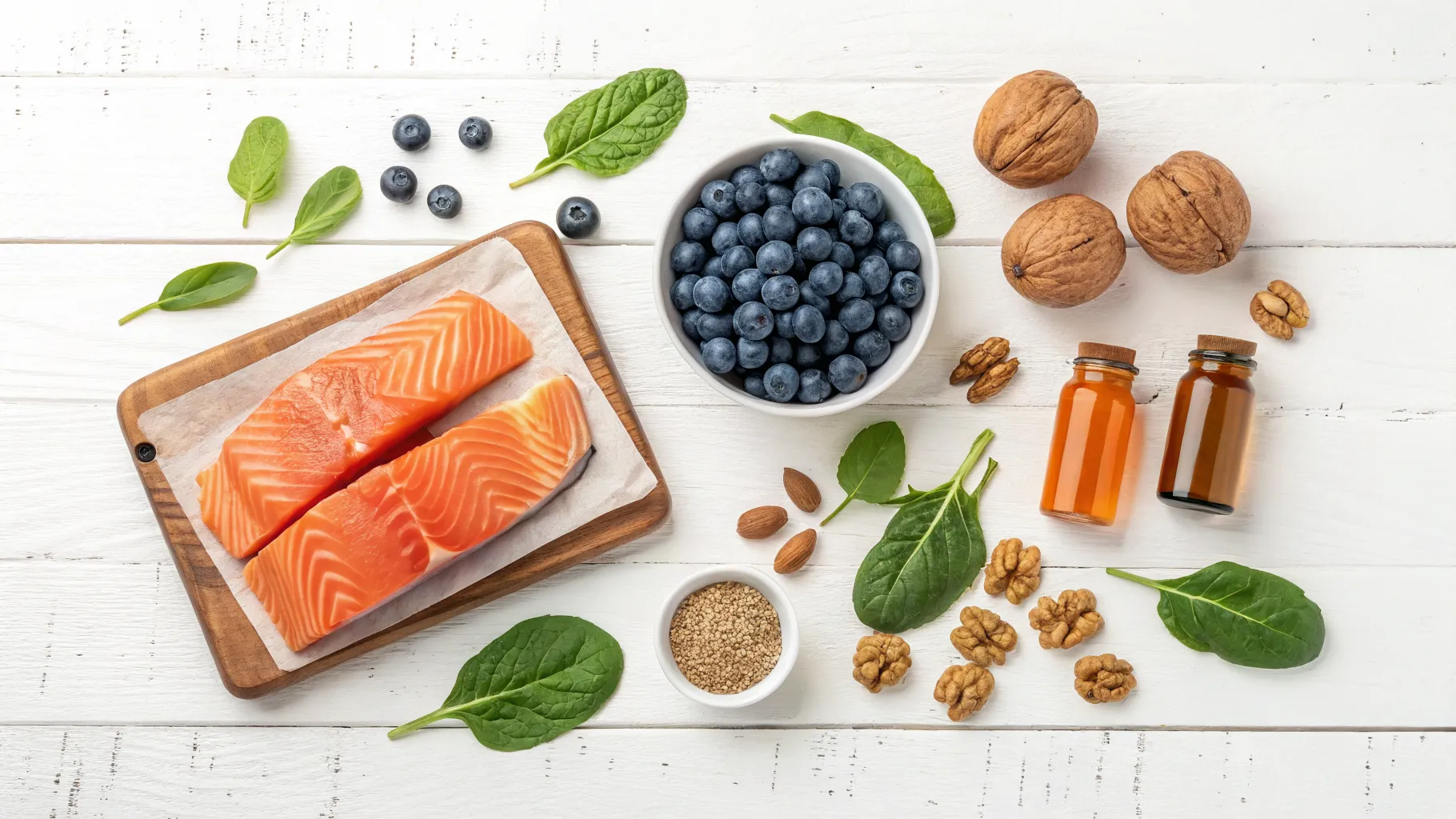
Vitamins for Dementia: Boosting Brain Health Naturally
As of 2025, the world is more aware than ever of the importance of nutrition in maintaining cognitive health. With dementia on the rise globally, discussions surrounding vitamins for dementia have gained significant traction. Many people are now looking to understand what nutrients, vitamins, and supplements may support brain health amidst the complexities of this condition. This article delves into the key vitamins linked to cognitive function, highlighting dietary considerations for individuals affected by dementia.
Understanding Dementia and Nutritional Needs
Dementia is not a single disease but an umbrella term that encompasses various cognitive impairments, including Alzheimer’s disease. Its prevalence is projected to rise, affecting over 150 million individuals worldwide by the year 2030. Lifestyle choices and dietary habits play a pivotal role in managing this condition and enhancing the quality of life for those living with it.
Nutritionists stress that adequate intake of certain vitamins can make a substantial impact. For seniors or individuals already diagnosed with dementia, understanding the vital nutrients they may need is essential. This awareness empowers caregivers and loved ones to curate diets that not only support cognitive health but also promote overall wellbeing.
Key Vitamins for Dementia
While research is ongoing, several vitamins have emerged as potential allies in supporting brain health:
- Vitamin E: Known for its antioxidant properties, vitamin E may help reduce oxidative stress, which is linked to brain aging. Recent studies suggest that adequate vitamin E levels might slow the progression of dementia. Foods rich in vitamin E include nuts, seeds, and green leafy vegetables.
- Vitamin D: Emerging evidence highlights a link between low vitamin D levels and increased risk of cognitive decline. As exposure to sunlight decreases with age or limited mobility, many individuals may experience deficiencies. Fatty fish, fortified dairy products, and direct sunlight are excellent sources of vitamin D.
- B Vitamins: The B-vitamin family, particularly B6, B12, and folate, have been studied for their role in cognitive function. They are key players in the production of neurotransmitters. A balanced intake of these vitamins may help reduce homocysteine levels—an amino acid linked to cognitive decline. Foods such as whole grains, legumes, and leafy greens provide ample B vitamins.
- Omega-3 Fatty Acids: Although not a vitamin, omega-3 fatty acids are crucial for brain health. They play a role in reducing inflammation and promoting neural health. Fish like salmon and mackerel, as well as flaxseeds, are rich in omega-3s and should be included in diets aimed at supporting cognitive function.
- Antioxidant Vitamins: Vitamins such as vitamin C and vitamin A also contribute to brain health through their antioxidant properties, helping to protect cells from damage. Fruits and vegetables, especially berries and citrus fruits, are excellent sources.
Supplements That May Support Brain Health in Dementia
In addition to dietary sources, many individuals consider supplements to ensure they receive adequate vitamins for dementia support:
- Multivitamins: A good quality multivitamin may help fill nutritional gaps that arise from dietary restrictions or preferences, particularly in individuals with decreased appetites or specific dietary needs.
- Omega-3 Fish Oil Supplements: For individuals who may not consume enough fish, omega-3 supplements can provide a concentrated dose, potentially benefitting cognitive health.
- Focused Vitamin Formulas: There are specialized formulations available that contain a blend of vitamins and nutrients designed specifically for cognitive support, including B vitamins and antioxidants.
Before starting any supplement regimen, it’s crucial for individuals to consult healthcare professionals to tailor interventions to their specific needs.
Dietary Considerations for Individuals with Dementia
Aside from focusing on vitamins, broader dietary strategies can significantly enhance cognitive function. For example:
- Healthy Fats: Incorporating healthy fats from avocados, nuts, and olive oil can support brain health, which might benefit those experiencing cognitive decline.
- Low Sugar Intake: Reducing sugar and processed food can have a positive effect on brain health and overall wellbeing, particularly for those at risk of diabetes, which has been linked to cognitive impairment.
- Hydration: Maintaining proper hydration is vital, as even mild dehydration can impair cognitive function. Ensure fluids are accessible and consumed regularly.
Caring for someone with dementia also means being sensitive to their preferences and routines regarding meals. Family members can play a supportive role by involving them in meal preparation and creating a positive dining environment. This social interaction can provide stimulation while improving dietary habits.
It is also essential to keep their meals colorful and diverse, as this not only makes them more appealing but allows for a range of nutrients beneficial for brain health. Emphasizing finger foods may also help those who struggle with utensils and promote independence during meal times.
As scientific research continues to uncover the connections between nutrition and cognitive health, the focus on vitamins for dementia remains a critical component in managing this complex condition. Adjusting dietary habits, ensuring proper nutrition, and considering suitable supplements can help enhance not just the quality of life of those living with dementia but also provide a framework for individuals to support their brain health as they age.