Essential Tips for Buying a New Stove Guide for Homeowners
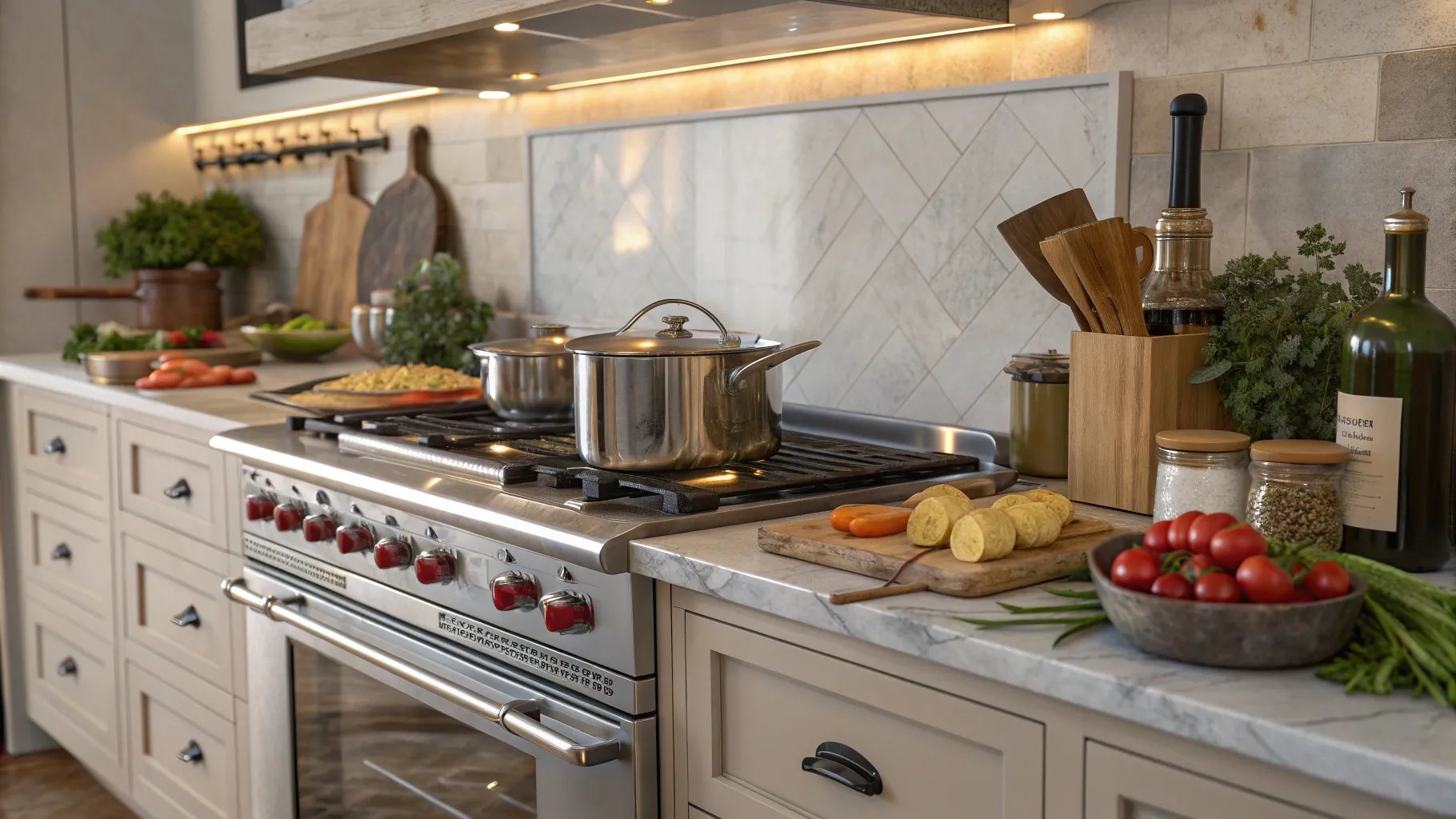
Tips for Buying a New Stove
Are you ready to elevate your cooking game with a new stove? With so many options available, choosing the right one can feel overwhelming. Whether you're a professional chef or a home cook, understanding what to look for when buying a stove is essential. Here are some important tips to consider.
Assess Your Cooking Needs
Before diving into the buying process, it’s crucial to assess your cooking style and needs. For example, if you primarily prepare quick meals, a simpler model may suffice. However, if you enjoy hosting dinner parties, a more advanced unit could be beneficial. Think about:
- Types of cooking: Do you bake often, or do you mostly fry and boil?
- Number of burners: Do you need a stove with multiple burners to cook various dishes simultaneously?
- Special features: Is a convection oven important to you for even baking?
By understanding your cooking habits, you'll better navigate your options.
Stove Buying Guide for Homeowners
Now that you've assessed your cooking needs, it’s time to look at key features and specifications. Here’s a comprehensive stove buying guide that will help steer you in the right direction.
Choose Between Gas and Electric
One of the first decisions you must make is whether to choose a gas or electric stove. Both have their pros and cons. Gas stoves offer quickly adjustable heat settings, which many chefs prefer. Additionally, they tend to heat up faster. However, electric stoves can be easier to clean and safer to use, especially in households with young children.
As of December 2024, about 65% of American households reported using gas stoves, primarily because of their cooking efficiency. Keep in mind your local utility rates; gas stoves often point toward long-term savings.
Consider the Size and Space
Another critical factor to consider before purchasing a stove is the space available in your kitchen. Most ranges come in standard widths of 30 inches, but compact models are also available for smaller spaces. If you have a large kitchen, consider adding a double oven or a wide-range unit, offering both convenience and flexibility when cooking.
Examine Features and Technologies
Today’s stoves come equipped with various features designed to enhance cooking efficiency and safety. Here are some features to compare when buying a stove:
- Self-cleaning: Look for stoves with self-cleaning options if you want to minimize cleanup effort.
- Smart technology: Many brands now offer smart stoves that connect to Wi-Fi, allowing you to monitor cooking times and adjust temperatures remotely.
- Safety features: Consider models with automatic shut-off functions, especially if you have kids.
- Temperature probes: For precision cooking, temperature probes allow you to ensure your meat is perfectly cooked.
An Energy Efficient Choice
Energy efficiency should be a top priority for every homeowner today. An energy-efficient stove can significantly impact your utility bills. Look for Energy Star certified appliances that typically exceed minimum efficiency standards. As of early 2025, Energy Star models are reported to save homeowners up to $90 a year on energy costs, an attractive consideration for budget-conscious shoppers.
Comparing energy ratings will give you peace of mind about your impact on both the environment and your wallet. You’re not just buying a stove; you’re making an investment in long-term savings and sustainability.
Don’t Forget About Aesthetics
While functionality is key, the stove you select also needs to fit into your home’s aesthetic. Stoves come in various colors and finishes, from classic stainless steel to chic black or even customized designs. Choose a style that complements your kitchen's décor and will inspire you as you cook.
Budget Considerations
Your budget will ultimately determine the features and styles you can consider. Prices for stoves vary widely, from basic models starting at around $300 to high-end ranges that can exceed $5,000. Before shopping, identify how much you’re willing to spend and factor in potential installation costs. Remember that investing in a quality appliance can save you repairs and replacement costs in the long run.
Read Reviews and Comparisons
Research is your best friend when it comes to buying a new stove. Look for consumer reviews and expert opinions on specific models. Customer experiences can provide insight into reliability and efficiency that specifications alone may not reveal. Sites like Consumer Reports and customer reviews on retail sites can offer invaluable information.
If possible, visit showrooms to get a hands-on experience with different models. Test the knobs and observe the visual appeal of the stove in person. This tactile experience can greatly impact your buying decision.
Plan for Installation
Finally, don’t overlook installation. Measure your kitchen space accurately to ensure the new stove will fit seamlessly. Consider hiring a professional for installation, especially with gas models, to maintain safety standards. Home improvement stores often provide installation services, which can save you time and stress.
With the right research and planning, buying a new stove can be an exciting and rewarding endeavor. With so many options available, you're sure to find a model that meets your needs and enhances your culinary adventures.