Essential Tips for Buying a New Refrigerator Guide
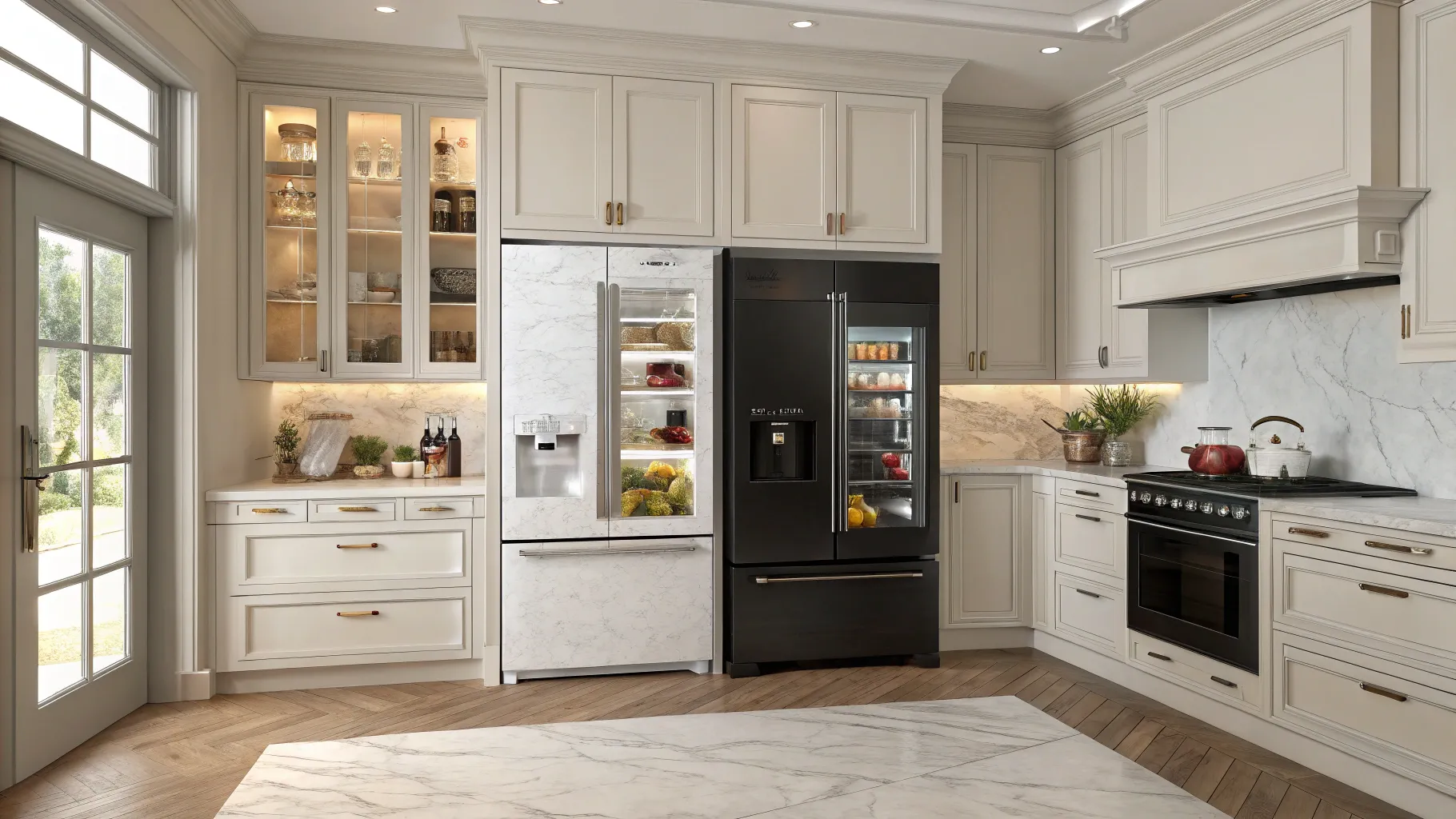
Tips for Buying a New Refrigerator
Buying a refrigerator is one of the most important investments you'll make for your kitchen. With so many options available, it can feel overwhelming to choose the right one. But understanding your needs will help you select a refrigerator that not only looks fantastic in your space but also meets your daily requirements efficiently.
Set Your Budget Wisely
Before you start browsing for refrigerators, it's crucial to define a budget. Refrigerators can range from as low as $500 for basic models to over $3,000 for advanced versions with multiple features. By setting a clear budget, you can narrow down choices and focus on what really matters—quality, size, and features that fit your lifestyle.
Measure Your Space
Size is an essential factor to consider when buying a refrigerator. Start by measuring the area where you plan to place the fridge. Make sure to include dimensions for height, width, and depth. It's also vital to allow space for door clearance and ventilation. For many kitchens, a standard refrigerator is about 36 inches wide. However, if you're short on space, consider a counter-depth model, typically 24 to 30 inches deep, offering a streamlined look while ensuring enough storage capacity.
Understand Your Storage Needs
Your refrigerator should match your household needs. If you frequently cook or entertain, you’ll need one with ample space for groceries. Families usually require around 22 to 26 cubic feet of storage, while smaller households might only need functional 14 to 20 cubic feet. Take into account your shopping habits and food storage preferences to find the optimal capacity that suits your needs.
Explore Different Refrigerator Styles
Refrigerators come in various designs, each bringing unique features. Here are some popular options to consider:
- Top-Freezer: A traditional style where the freezer is located on top, offering great storage space and often the best price point.
- Bottom-Freezer: This offers easy access to fresh foods, placing the freezer at the bottom, appealing to many users who reach for refrigerated items more often.
- Side-by-Side: This style has two vertical compartments, making it easy to grab both frozen and fresh food. Ideal for narrow spaces.
- French Door: This modern approach combines a bottom freezer with two doors for the fridge, offering expansive shelving and superior organization for large items.
Choosing the right style depends on your cooking practices and kitchen layout. For instance, side-by-sides are often favored for their convenience and configuration options in tighter spaces.
Energy Efficiency is Key
In today's environmentally conscious world, energy efficiency should be a top priority. Modern refrigerators are designed to use significantly less energy—about 75% less than those manufactured in the 1970s. Look specifically for models that carry the ENERGY STAR® certification. These units not only save you money on utility bills but also contribute positively to the environment. In 2025, homeowners could save up to $200 annually by choosing energy-efficient models over standard ones.
Consider Convenient Features and Technology
Today's refrigerators come packed with innovative features that enhance their functionality. When shopping, consider these options:
- Ice and Water Dispenser: This is a must-have for many, providing easy access to cold water and ice without opening the refrigerator door.
- Smart Technology: Many models now offer Wi-Fi capabilities, allowing you to control settings from your smartphone, receive alerts if the door is left open, or monitor food expiration dates.
- Adjustable Shelving: Flexibility in shelving can be critical. Ensure your new fridge has shelves that can easily be adjusted for bulky items or special occasions.
- Dual Temperature Zones: Some modern fridges offer separate temperature controls for various sections, so you can create the ideal environment for all types of food.
Evaluating these features can make your life easier and help maintain food freshness longer.
Review Warranty and Repair Options
Before finalizing your purchase, carefully review the warranty terms. Most refrigerators come with warranties ranging from one to five years, covering essential repairs. A robust warranty can alleviate concerns over unexpected repair expenses. It's worth researching local repair services, too—ensuring they can provide timely support when necessary. Good customer service from manufacturers can greatly enhance your overall experience.
Read Customer Reviews for Better Insights
After narrowing down your options, it’s time to look at customer reviews. Websites like Consumer Reports and various home improvement platforms offer credible insights on performance and reliability. Hearing from real users can help identify not just the pros but also any potential issues. A model praised for its durability and efficiency often turns out to be a reliable choice.
Investing for Long-Term Satisfaction
When you’re in the process of selecting a refrigerator, remember that this is an investment that affects your daily life. By doing thorough research, understanding your household’s specific needs, and closely considering style and practicality, you can identify a fridge that will not only fit seamlessly into your kitchen but also support your lifestyle for years to come.
Don’t rush into the decision; take your time exploring all the options, and make sure you choose a refrigerator you’ll be happy with for years. Whether it’s a sleek stainless-steel model or a spacious French-door design, the right choice will keep your food fresh and your kitchen looking great, all while making your culinary adventures a breeze.