Essential Mold Removal Tips and Home Prevention Guide
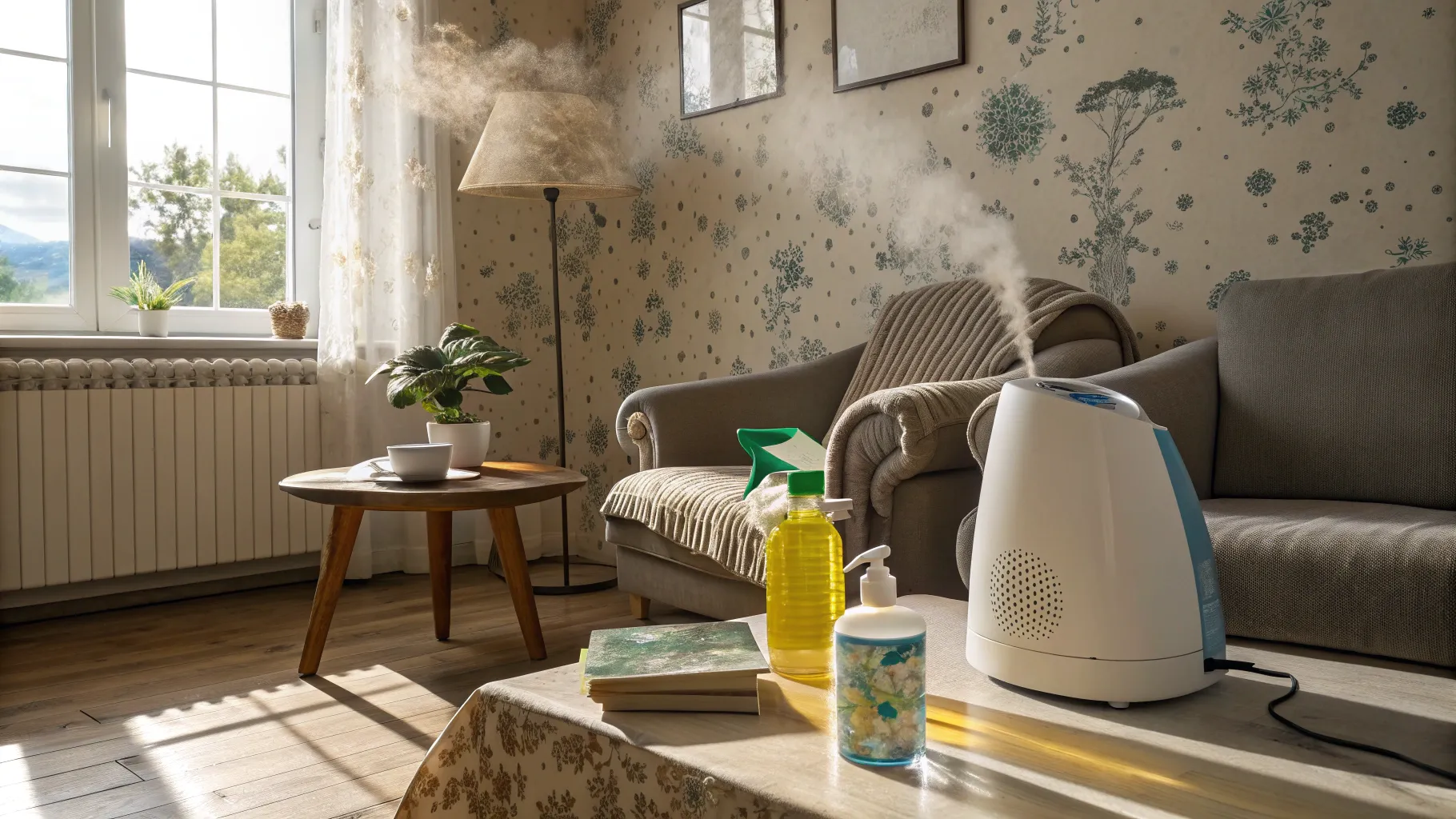
How to Effectively Remove Mold in Your Home
Mold is a common household nuisance that can pose serious health risks and lead to significant property damage. In 2025, studies reveal that approximately 50% of homes in humid regions struggle with mold-related issues at some point. Knowing how to remove mold and prevent it from returning is essential for maintaining a healthy living environment. Let's explore practical mold removal strategies that will not only help you eradicate existing mold but also safeguard your home against future infestations.
Effective Mold Removal Tips for Homeowners
Whether you own a home or rent, dealing with mold can be frustrating. Its presence doesn't just spoil the aesthetics—mold can trigger allergies and other respiratory conditions, affecting your overall well-being. To effectively tackle mold removal, follow these handy tips that can easily be implemented.
- Identify and Inspect: Start by doing a thorough examination of your space. Check for damp spots, water stains, and any musty odors that might indicate hidden mold behind walls, under sinks, or in corners of your home.
- Use Protective Gear: Always prioritize safety during mold cleanup. Equip yourself with gloves, goggles, and a high-quality mask to avoid direct contact with mold spores and chemicals.
- Select Appropriate Cleaning Solutions: While there are numerous commercial mold removal products, natural options like vinegar and baking soda are both effective and safe for your home environment.
- Scrub Hard Surfaces: For surfaces like walls and floors, use a stiff brush with your chosen cleaning solution to scrub away visible mold. Aim to remove all traces of mold during the cleaning process.
- Dispose of Affected Materials: When dealing with porous materials like upholstery or drywall, it may be necessary to discard them if they are contaminated with mold. These materials can often harbor mold spores even after cleaning.
- Thoroughly Rinse and Dry: Post-cleaning, use clean water to rinse the area and then dry it completely. Good ventilation plays a crucial role in preventing mold from reappearing.
Safe and Natural Ways to Remove Mold
Using harsh chemicals can sometimes do more harm than good. Instead, consider natural mold removal options that are effective yet safe for your family and pets. Here are several methods worth trying:
- Vinegar: A natural powerhouse, undiluted white vinegar can effectively kill about 82% of mold species. Simply spray it onto the affected area, allow it to sit for about an hour, and wipe clean with a damp cloth. This method works wonders in kitchens and bathrooms where moisture levels are high.
- Baking Soda: Combining baking soda with water to form a paste yields a two-in-one solution, cleaning and deodorizing simultaneously. Scrub it into the moldy area and see the impressive results!
- Hydrogen Peroxide: This 3% solution is another powerful mold fighter. Spray generously on the mold, let it sit for ten minutes, then scrub and wipe clean.
For larger infestations, it’s wise to consult a professional mold remediation service. As of 2025, increased attention toward mold safety means numerous regulations now guide professionals in handling hazardous mold situations effectively.
Home Mold Prevention Strategies
Preventing mold growth is often simpler and more cost-effective than addressing it after it appears. Follow this comprehensive home mold prevention guide to help keep mold at bay:
- Regulate Indoor Humidity: Keeping humidity levels below 50% is key to preventing mold growth. Consider using dehumidifiers in basements and other humid areas.
- Optimize Ventilation: Ensure proper airflow through your home by opening windows and using exhaust fans in moisture-rich areas like kitchens and bathrooms.
- Fix Leaks Immediately: Any leaks in plumbing or roofs should be promptly repaired to limit moisture accumulation that can lead to mold.
- Use Mold-Resistant Products: When renovating, opt for mold-resistant paints and drywall that provide additional protection against growth.
- Establish a Regular Cleaning Regimen: Introduce a routine cleaning schedule with products designed to kill mold, especially in humidity-prone areas like bathrooms and kitchens.
Natural Mold Removal Methods Galore
Many homeowners today prefer utilizing natural methods to combat mold due to concerns over chemical exposure. Beyond vinegar and baking soda, consider these alternatives that harness the power of nature:
- Tea Tree Oil: A potent antifungal agent, tea tree oil mixed with water is extremely effective at stopping mold growth while providing a pleasant scent.
- Grapefruit Seed Extract: It’s powerful yet gentle. Mix a few drops with water, apply it on affected areas using a spray bottle, and wipe clean.
- Essential Oils: Oils like lavender and eucalyptus boast antifungal properties and also add a lovely fragrance. Mixing them into your cleaning solutions enhances their effectiveness.
In 2025, awareness around the importance of maintaining a mold-free environment has surged, with numerous studies highlighting the health benefits of doing so. By taking the initiative to remove mold and implement preventative measures, you can cultivate a comfortable, safe living environment for you and your family. Stay proactive and enjoy the peace of mind that comes with a mold-free home!