Essential Macular Degeneration Diet for Eye Health
Understanding Macular Degeneration Diet
In the current landscape of nutritional science, we recognize that our diet plays a crucial role in maintaining eye health, particularly when it comes to macular degeneration, a leading cause of vision loss in older adults. This degenerative disease affects the macula, the part of the retina responsible for detailed central vision. By following a specific macular degeneration diet, people can help preserve their eyesight and support overall vision wellness.
Nutrients Linked to Maintaining Normal Eye Function
The relationship between nutrition and eye health is profound. Research indicates that certain nutrients can directly contribute to the health of our eyes, particularly in the context of preventing or slowing the progression of macular degeneration. Key nutrients include:
- Antioxidants: Vitamin C and E, as well as beta carotene, combat oxidative stress, which can damage cells in the retina.
- Omega-3 Fatty Acids: These healthy fats, found in fish like salmon and sardines, are crucial for maintaining retinal and overall vision health.
- Zinc: A critical mineral for eye health, zinc is known to support the immune system and may help protect vision as one ages.
- Lutein and Zeaxanthin: These carotenoids are particularly important for eye health, with research suggesting that they filter harmful blue light and help prevent cellular damage.
In a recent study published in 2025, it was found that individuals who incorporated these vital nutrients into their diets had a 25% lower risk of developing advanced macular degeneration compared to those who did not.
How Healthy Eating Supports Overall Vision Wellness
A healthy, balanced diet does far more than impact macular degeneration alone. It plays a significant role in overall wellness, which in turn supports eye health. Here’s how adopting a nutrient-rich diet can contribute to your eyesight:
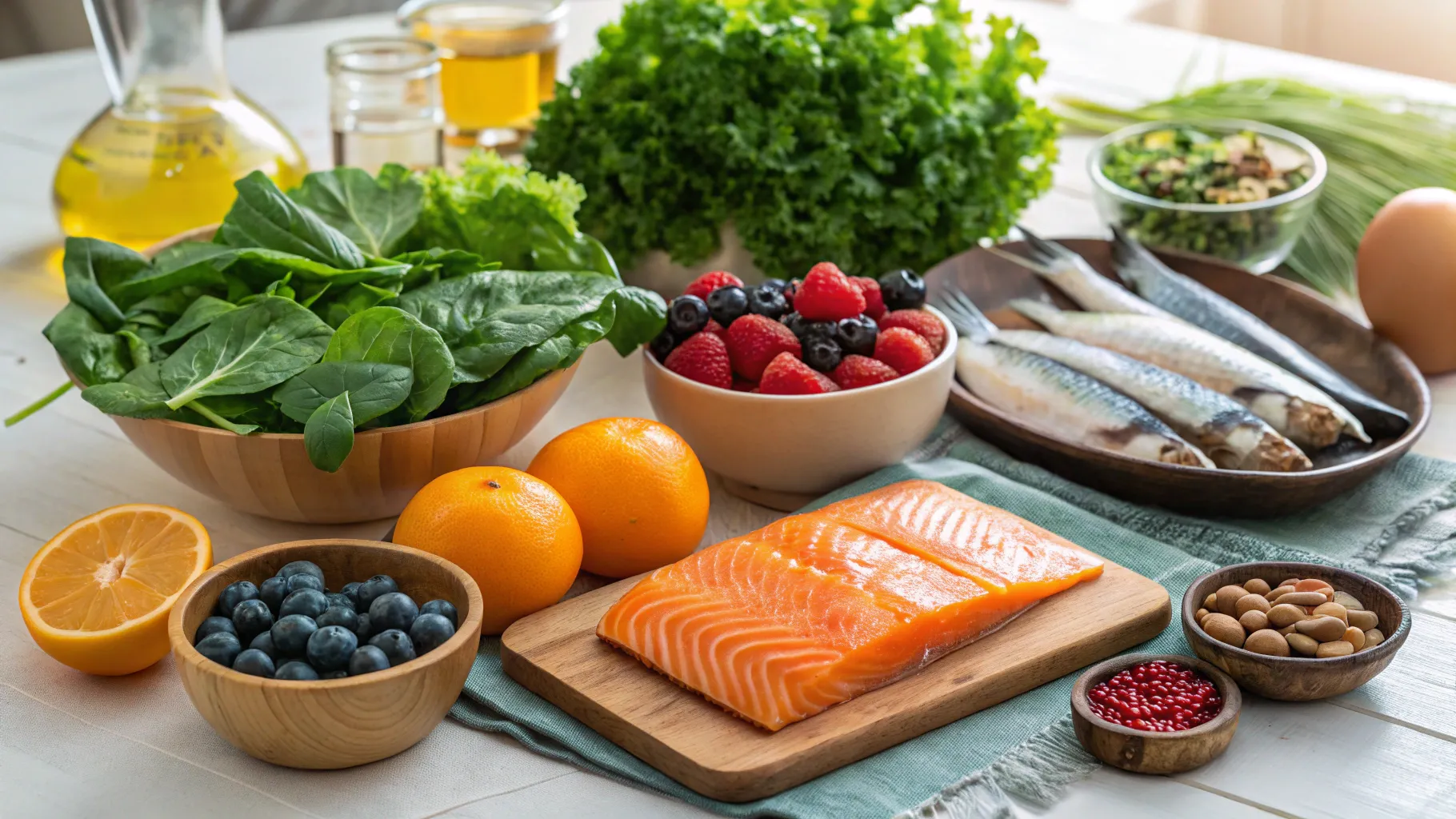
Firstly, diets high in fruits and vegetables provide essential vitamins and minerals that are crucial for optimal eye function. Leafy greens such as spinach and kale are exceptionally rich in lutein and zeaxanthin. Similarly, colorful fruits and vegetables—as simple as a bowl of berries or slices of orange—are packed with vitamins and antioxidants that fight off damage to the retina.
Additionally, healthy fats play a crucial role. For instance, a study from the American Journal of Clinical Nutrition in early 2025 showed that regular consumption of omega-3 fatty acids resulted in a significant reduction in dry eye symptoms, which often accompany age-related vision concerns.
Moreover, maintaining a healthy weight through a balanced diet is also vital. Obesity is a known risk factor for macular degeneration; therefore, keeping a healthy body weight helps decrease this risk. Regular physical activity combined with healthy eating can also facilitate improved blood circulation, ensuring that the eyes receive the necessary nutrients and oxygen.
Foods Commonly Discussed in Macular Degeneration Awareness
When it comes to crafting a macular degeneration diet, there are several foods that nutritionists frequently recommend. Incorporating these foods not only provides necessary nutrients but also contributes to the overall enjoyment of meals. Here’s a more focused look:
- Green Leafy Vegetables: As mentioned before, spinach, kale, and collard greens are fantastic sources of lutein and zeaxanthin.
- Fatty Fish: Salmon, mackerel, and sardines are excellent sources of omega-3 fatty acids.
- Nuts and Seeds: Walnuts, chia seeds, and flaxseeds provide both omega-3 fatty acids and antioxidants.
- Citrus Fruits: Oranges, lemons, and grapefruits are rich in vitamin C, which is vital for retinal health.
- Whole Grains: Oats, quinoa, and brown rice are packed with essential nutrients, including zinc and various B vitamins.
Adding these items to your daily diet can create a delicious regimen that is both nourishing and beneficial for your vision.
Macular Degeneration Foods to Avoid
While understanding what to eat is essential, knowing what to avoid is equally important. Certain foods can contribute to inflammation and oxidation, both of which can exacerbate macular degeneration. Here are some foods that should be limited:
- Processed Foods: Foods high in trans fats and refined sugars can increase inflammation.
- Excessive Alcohol: High alcohol consumption has been linked to a higher risk of developing macular degeneration.
- High Glycemic Index Foods: Foods such as white bread and sugary snacks can spike blood sugar levels and contribute to vascular issues.
- Saturated Fats: Red and processed meats can contribute to overall inflammation and should be consumed in moderation.
By consciously choosing to limit these foods and replacing them with healthier alternatives, individuals can make strides toward protecting their eye health.
In summary, the understanding of a macular degeneration diet is continually evolving, with recent studies reinforcing the importance of nutrients, healthy fats, and whole foods. Individuals aiming for better vision should embrace a diverse diet rich in fruits, vegetables, whole grains, and healthy fats while steering clear of processed options. By making informed dietary choices, everyone can support their overall wellness and protect their precious eyesight against macular degeneration.
Remember, it’s not just about what you eat today but how those choices impact your future vision. Your plate is your first line of defense against eye diseases—make it count!
(Word Count: 902)