Essential Kitchen Sink Maintenance Tips for Cleanliness
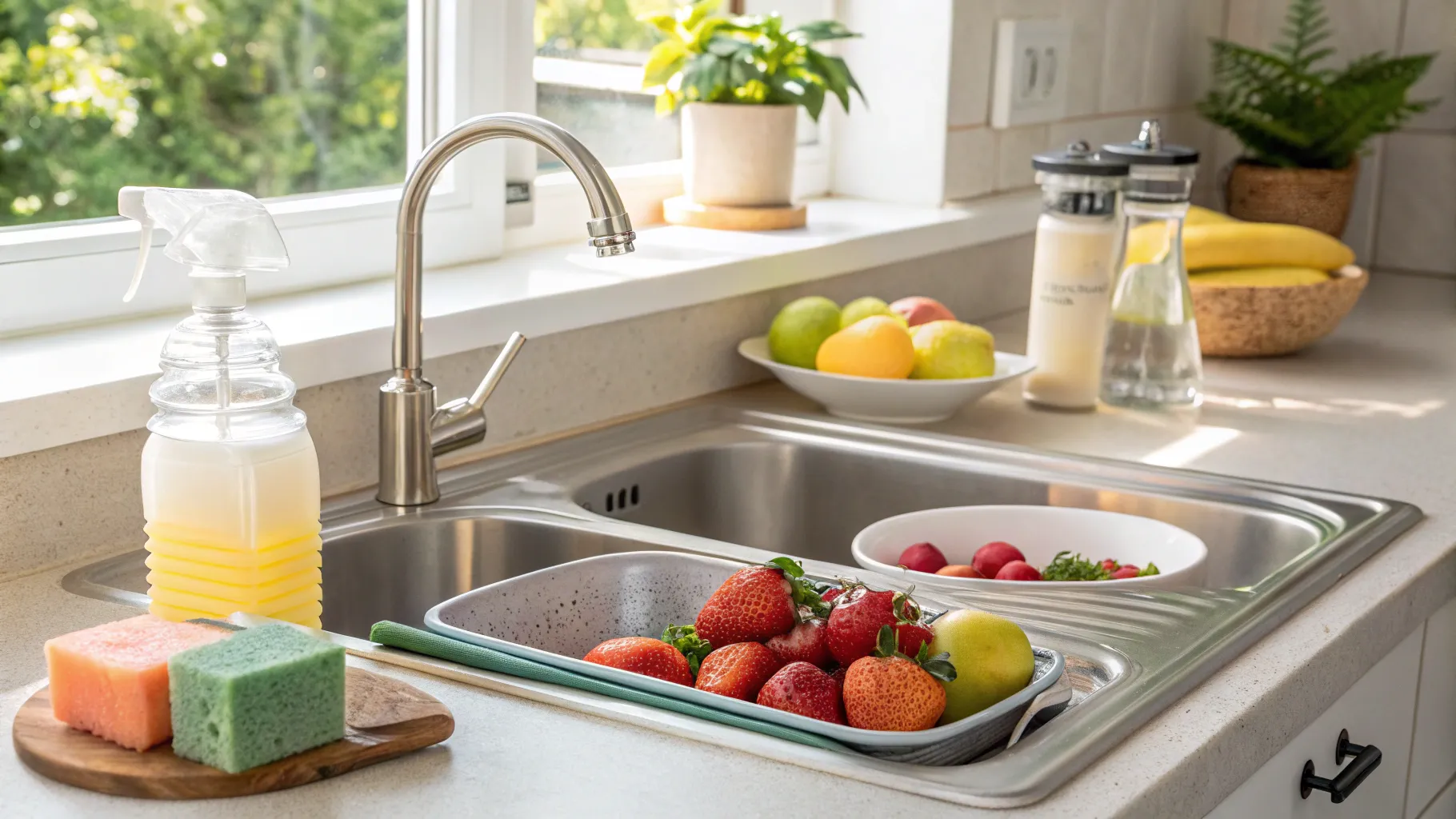
Kitchen Sink Maintenance Tips for a Sparkling Clean
Maintaining your kitchen sink is essential for ensuring that it not only looks great but also functions well. Whether you have a stainless steel, porcelain, or composite sink, proper care can significantly prolong its lifespan and maintain a hygienic environment for food preparation. In this home cleaning guide for kitchen sinks, we will explore how to clean a sink effectively, provide useful sink care tips, and offer methods for preventing kitchen sink buildup.
How to Clean a Sink
Cleaning your kitchen sink should be a regular chore, and doing it correctly can make a significant difference in its appearance. Here are detailed steps on how to clean a sink effectively:
- Gather Your Supplies: You'll need dish soap, baking soda, vinegar, a soft sponge, and a microfiber cloth for drying. Avoid using abrasive cleaners that can scratch your sink surface.
- Rinse the Sink: Begin by rinsing your sink with warm water to remove any loose debris or food particles.
- Apply Dish Soap: Squeeze a few drops of dish soap onto the sponge, and scrub the sink in circular motions. Pay special attention to any stained or discolored areas.
- Use Baking Soda: For tougher stains, sprinkle baking soda on the damp sponge and scrub gently. Baking soda acts as a natural abrasive that can lift grime without damaging the surface.
- Vinegar for Disinfection: Pour vinegar over the sink or spray it on the surface, let it sit for a few minutes, and then rinse again. This step helps neutralize odors and disinfect the sink effectively.
- Dry the Sink: Use a microfiber cloth to dry the sink thoroughly. This prevents water spots from forming and gives your sink a shiny finish.
By following these steps on a regular basis, you’ll have a sparkling clean sink that is ready for all your cooking and cleaning needs.
Preventing Kitchen Sink Buildup
Over time, kitchen sinks can easily accumulate grime, grease, and food particles, which can lead to unpleasant odors or clogged drains. Here are proactive sink care tips to keep your sink in excellent condition:
- Run Hot Water: After each use, run hot water through the sink for a few minutes to help dissolve any leftover grease or food particles.
- Use a Sink Strainer: Installing a sink strainer can effectively catch food scraps. This simple addition can prevent larger pieces from going down the drain, which reduces the risk of clogs.
- Sealants and Coatings: Consider applying a protective sealant to your sink surface, especially if it’s made of a porous material. This helps shield it from staining and makes cleaning easier.
- Monthly Deep Cleaning: Set aside time each month to perform a deep clean, including scrubbing and sanitizing your sink and disposing of waste from the strainer.
- Avoid Harsh Chemicals: While it may be tempting to use strong chemicals for cleaning, they can damage your sink surface and create a harmful environment in your kitchen.
For instance, many homeowners have reported that switching to natural cleaning methods has not only improved their sink condition but also made their kitchens safer for food preparation. Whether you prefer vinegar, baking soda, or eco-friendly cleaners, these options can provide effective cleaning without the risk of chemical exposure.
Real-World Examples
Consider_case studies from various homeowners who have adopted these maintenance strategies. For example, one family noticed that by simply using a sink strainer, they dramatically reduced food buildup, which led to fewer instances of clogged drains. They also began to run hot water after every meal, making their monthly cleaning much simpler and more efficient.
Moreover, a recent survey found that 74% of individuals who regularly deep clean their sinks report that they feel more comfortable preparing food in a clean environment. This statistic highlights the psychological benefits of maintaining a clean kitchen sink.
In another surprising revelation, local home improvement stores have seen a rise in demand for eco-friendly cleaning supplies as consumers are becoming more conscious of their health and the environment. Many of these products are designed specifically for kitchen maintenance, ensuring both effectiveness and safety.
Stainless Steel vs. Porcelain Sinks
The material of your kitchen sink plays a crucial role in how you maintain it. For instance, stainless steel sinks are popular because they are durable and resistant to stains. However, they require regular polishing to maintain their shine. In contrast, porcelain sinks, while aesthetically pleasing, can chip easily and require more cautious handling during cleaning.
- For Stainless Steel Sinks: Regularly applying mineral oil can help maintain the finish and prevent water spots. Rinse and dry promptly after use.
- For Porcelain Sinks: Avoid using abrasive sponges that could scratch the surface, and always try to use a softer cleaning cloth.
By understanding the nuances of your kitchen sink material, you can tailor your cleaning and maintenance routine accordingly.
In summary, maintaining your kitchen sink involves regular cleaning, proactive prevention of buildup, and an understanding of your sink's material. By implementing these tips, you can ensure that your sink remains a glowing centerpiece in your kitchen, ultimately enhancing your home environment for years to come.