Essential Kitchen Safety Tips for Seniors Cooking Safely
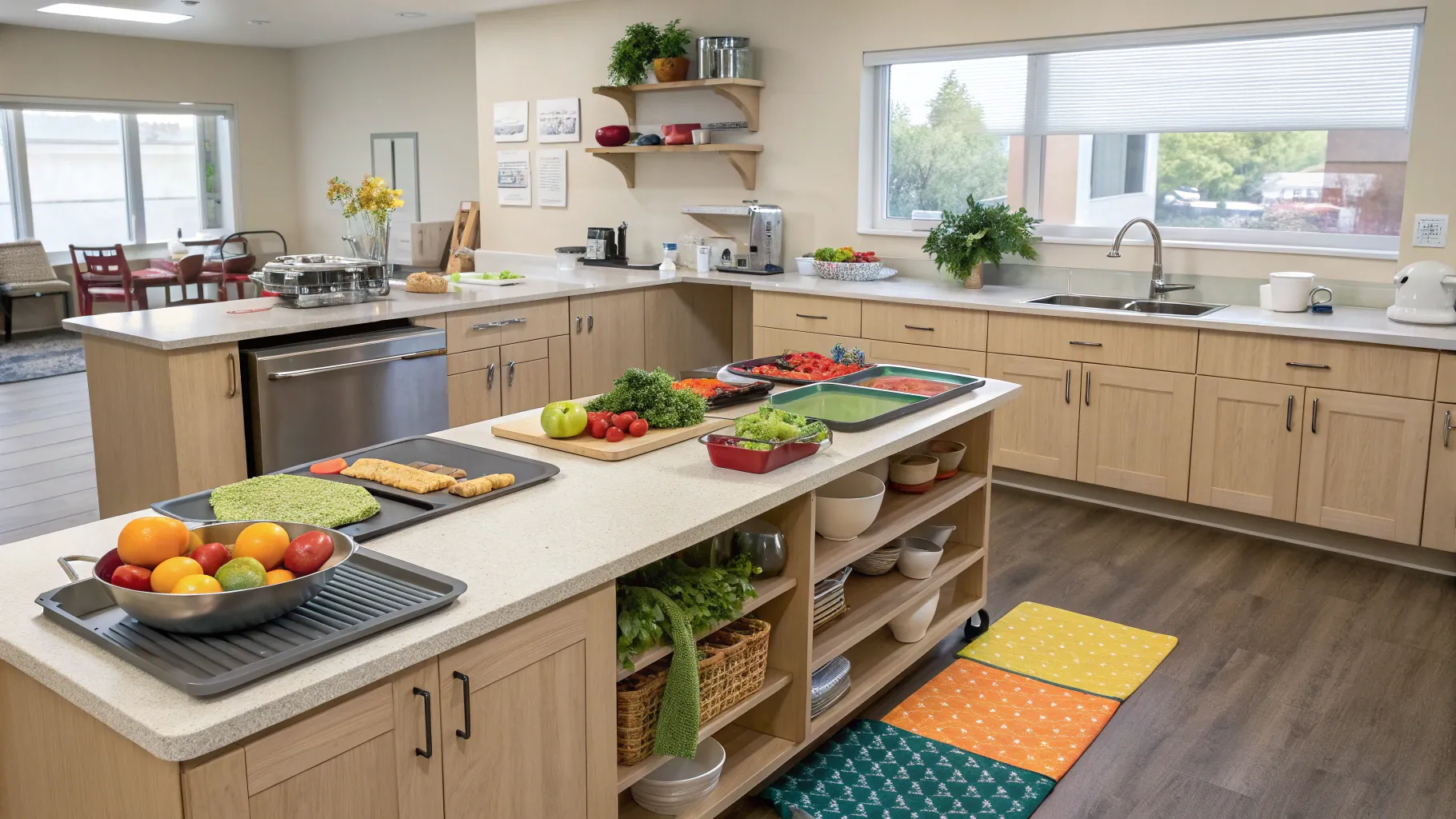
Understanding Kitchen Safety Tips for Seniors
As we age, our bodies and abilities may change, making kitchen safety a crucial aspect of daily life for seniors. More than just a space for meal prep, the kitchen can also present unique hazards for older adults, ranging from slips and falls to dangerous equipment. Understanding kitchen safety tips for seniors empowers them to maintain their independence while ensuring a safer cooking environment.
Informative Kitchen Safety Guide for Seniors
According to recent studies, falls are the leading cause of injury among older adults, with the kitchen being one of the most common locations for accidents. Fortunately, implementing effective kitchen safety tips can significantly reduce these risks. Here are some essential strategies:
1. Keep a Clutter-Free Zone
- Clear Walkways: Always keep pathways and work surfaces free from clutter to prevent tripping hazards.
- Organize Cabinets: Utilize organizers to keep pots, pans, and utensils within easy reach, eliminating the need for precarious stretching or bending.
A tidy kitchen not only enhances workflow but also minimizes the risk of accidents. Make sure that items used frequently are placed at waist level to avoid unnecessary strain.
2. Use Appropriate Kitchen Tools
- Utilize Adaptive Tools: Look for utensils designed specifically for seniors. These may include ergonomic grips that are easier to handle.
- Non-slip Mats: Place non-slip mats in front of the sink and stove to provide added stability.
Investing in the right tools can drastically improve safety and comfort. For example, long-handled spoons or easy-grip knives can make food preparation safer.
3. Be Mindful of Fire Safety
- Use Timers: Always set a timer when cooking to prevent forgetting about food on the stove or in the oven.
- Keep a Fire Extinguisher Handy: Ensure a fire extinguisher appropriate for kitchen use is accessible and check it regularly.
With nearly 30% of kitchen-related fires starting from the cooking area, it's essential to stay vigilant. Furthermore, consider smoke alarms that allow for automated notifications directly to a mobile device or loved ones.
4. Stay Hydrated and Nourished
Sometimes, maintaining focus while cooking requires more than just physical safety. Seniors should prioritize hydration and nutrition to ensure they remain sharp and attentive. A study conducted by the Aging Research Center in 2025 revealed that dehydration can impede cognitive function, leading to heightened risks in the kitchen. Regularly drinking water and enjoying nutrient-rich meals can bolster health and well-being, ultimately improving kitchen safety.
5. Develop a Cooking Routine
Establishing a familiar cooking routine can help seniors stay organized and focused. Routines reduce distractions, allowing for a calmer cooking environment. Consider the following:
- Plan Meals Ahead: Creating a weekly meal plan can streamline shopping and preparation.
- Ensure Natural Lighting: Cooking during daylight or using bright lights can improve visibility.
By making a habit of planning and organizing tasks, seniors can decrease chances of forgetfulness and mitigate safety risks while cooking.
6. Socialize While Cooking
Cooking can be lonely work, but it can also be a fantastic opportunity for social interaction. Inviting a friend or family member to help not only makes the process enjoyable but also introduces another layer of safety. A partner can provide assistance, whether it’s handling a hot dish or simply keeping an eye on expiration dates. In fact, studies have shown that social interaction in the kitchen boosts mood and promotes a more mindful cooking experience, leading to better overall safety.
7. Stay Informed About Kitchen Technology
Modern kitchen appliances come with a range of safety features designed specifically for older adults. From smart stoves that automatically shut off after a specified time to microwaves with easy-read numbers, today’s technology is all about safety and efficiency. Moreover, utilizing these advances can help bridge the gap between staying connected and staying safe. Apps that remind users when to check the oven or alert them about any missed safety steps can be a valuable asset.
In 2025, technological innovations are becoming more prominent in everyday kitchens. It’s essential for seniors to stay updated on which products can simplify tasks and enhance safety. Using voice-activated devices can assist in multitasking and maintaining focus, ensuring that safety doesn’t fall by the wayside.
8. Regular Health Check-Ups
Routine medical check-ups can positively impact one’s ability to navigate the kitchen safely. Vision problems, medication side effects, or mobility issues can significantly affect kitchen safety. Regular appointments enable seniors to address any health issues that might hinder their daily activities. This is especially critical as new medications or changes in health can influence cognitive function and coordination.
Being aware of personal health allows seniors to take necessary precautions, avoiding potential hazards before they occur. Encourage regular discussions with healthcare providers regarding any cooking-related concerns, such as potential risks tied to certain prescriptions.
Safe Cooking Tips for Older Adults
The essence of culinary safety for seniors lies in both prevention and awareness. With simple adjustments and a proactive approach, the kitchen can be a safe and welcoming place, filled with delightful aromas and cherished memories. These senior kitchen safety ideas are not merely precautions; they’re the foundation of a joyful and healthy cooking experience.
By following these kitchen safety tips for seniors, older adults can continue to enjoy cooking, share meals with loved ones, and maintain their independence in the kitchen for years to come. Taking the time to implement these strategies ensures a safer cooking environment while embracing the joy of culinary simplicity.