The Ultimate Guide to Hair Care for Mature Women
Facts:
- Hair density can decrease by up to 20% for many women after age 50.
- A major trend for healthy aging hair is the focus on scalp health as the foundation for strong hair.
Embracing Radiance: A New Chapter in Hair Care for Mature Women
As we age, our hair undergoes a series of natural transformations, from changes in texture and color to shifts in density and moisture levels. This evolution doesn't mean compromising on beautiful, vibrant hair. Instead, it calls for a specialized approach to hair care for mature women, one that nourishes and supports your locks through every stage. Understanding the unique needs of aging hair is the first step towards developing a routine that enhances its natural beauty, ensuring your hair remains a source of confidence and style. This guide provides comprehensive mature hair care tips to help you navigate these changes effectively.
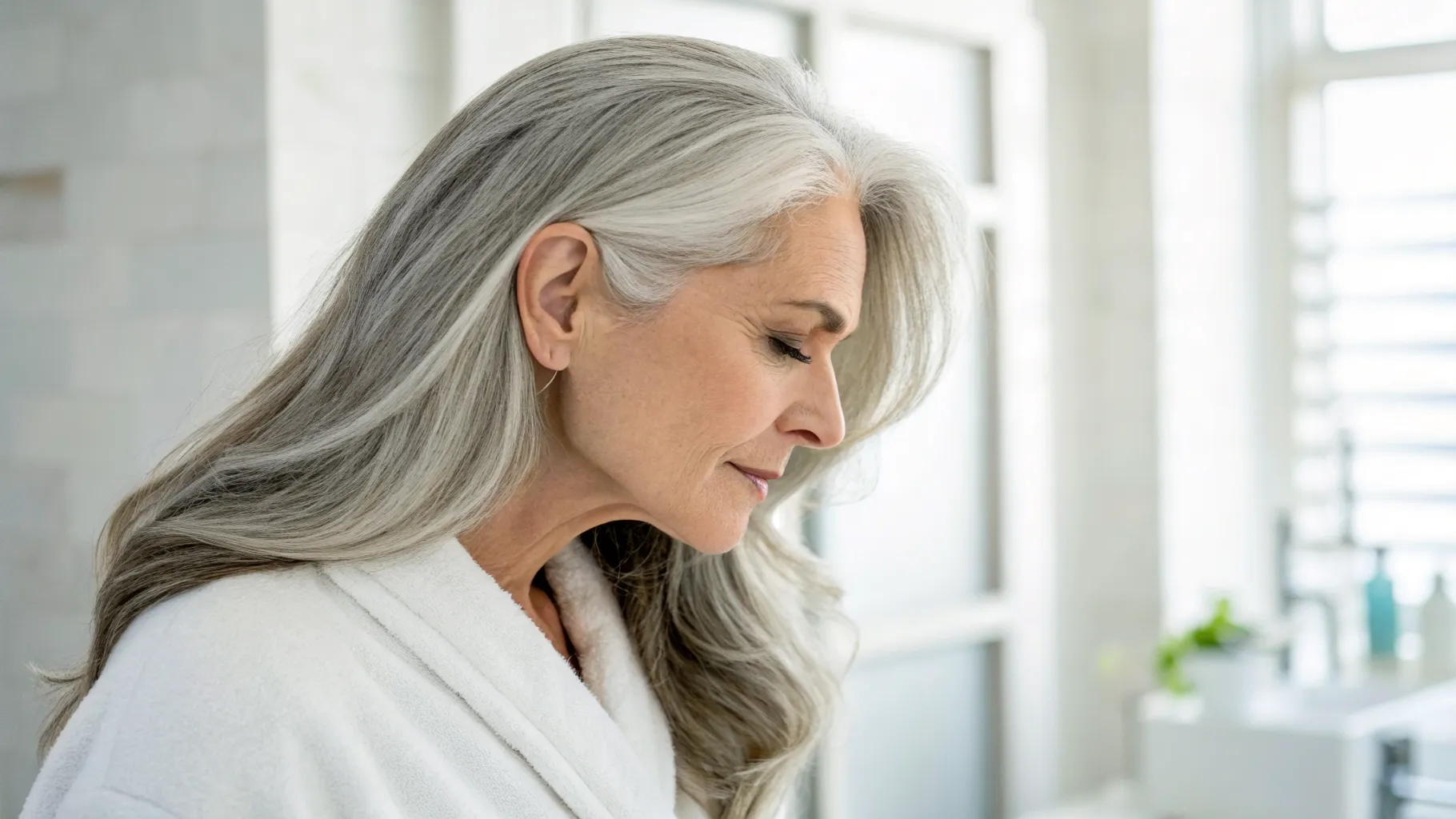
Understanding the Science of Healthy Aging Hair
The journey of healthy aging hair is deeply rooted in physiological changes. As estrogen levels decline, the hair growth cycle can shorten, leading to finer, more fragile strands. Additionally, the sebaceous glands on the scalp produce less oil, which often results in dryness and a lack of natural shine. Graying hair is another common characteristic, and these strands often have a different texture—sometimes coarser or more wiry—than pigmented hair. Recognizing these shifts is crucial for selecting the right products and techniques. Proper hair care after 50 involves compensating for this loss of natural oils and proteins to maintain elasticity and prevent breakage, which becomes more common as hair becomes more brittle.
Your Essential Toolkit: Must-Have Products for Mature Hair
Building an effective regimen for hair care after 60 starts with the right products. It's time to swap out harsh, stripping formulas for those that offer hydration, protection, and volume. Start with a sulfate-free, moisturizing shampoo that cleanses gently without removing essential oils. Follow up with a rich, hydrating conditioner containing ingredients like hyaluronic acid, keratin, or natural oils such as argan or jojoba. A weekly deep-conditioning mask or treatment is non-negotiable to restore moisture and repair damage. Furthermore, consider incorporating a lightweight leave-in conditioner or serum to protect hair from environmental stressors and heat styling. For thinning hair, products containing ingredients that stimulate the scalp, like minoxidil or natural extracts like peppermint oil, can be incredibly beneficial for promoting fuller-looking hair as part of your hair care for mature women routine.
Actionable Mature Hair Care Tips for Daily Radiance
Beyond products, your daily habits play a significant role in maintaining the health of your hair. These actionable mature hair care tips can be easily integrated into your life.
- Gentle Handling is Key: Mature hair is more fragile. Avoid aggressive brushing, especially when wet. Use a wide-tooth comb to detangle, starting from the ends and working your way up to the roots to minimize breakage. Opt for silk or satin pillowcases to reduce friction and prevent tangles overnight.
- Rethink Your Washing Schedule: Over-washing can strip the scalp of its natural oils, exacerbating dryness. Try washing your hair 2-3 times per week. This allows your scalp's sebum to naturally moisturize the hair shaft, which is a cornerstone of effective hair care after 50.
- Prioritize Scalp Health: A healthy scalp is the foundation for healthy aging hair. Incorporate regular scalp massages to boost circulation, which can encourage hair growth. You can do this while shampooing or with a nourishing scalp serum before bed. Exfoliating scalp scrubs can also help remove product buildup and dead skin cells.
- Protect from Heat and Sun: Both heat styling tools and UV exposure can damage mature hair, causing it to become even more dry and brittle. Always apply a heat protectant spray before using blow dryers or curling irons, and consider wearing a hat or using a UV protectant hair spray when spending extended time in the sun.
Nourishment from Within: Diet and Supplements
True hair care for mature women is holistic, extending beyond topical treatments to internal nourishment. A balanced diet rich in vitamins and minerals is fundamental for hair health. Ensure you're consuming adequate protein, the building block of hair, from sources like lean meats, fish, eggs, and legumes. Omega-3 fatty acids, found in fatty fish and flaxseeds, help keep your scalp and hair hydrated. Vitamins like Biotin (B7), Vitamin E, and Iron are also critical. If your diet is lacking, consider speaking with a healthcare provider about supplements specifically formulated for hair, skin, and nails. Proper hydration is also essential, so be sure to drink plenty of water throughout the day for truly healthy aging hair.
Frequently Asked Questions
How often should I get a haircut for healthy aging hair?
For mature hair, getting a trim every 6-8 weeks is ideal. This helps remove split ends, which can travel up the hair shaft and cause more damage. Regular cuts also help maintain the shape of your style and can make hair appear thicker and fuller.
What are the best hairstyles for hair care after 50?
Styles that add volume and require minimal heat are excellent choices. Consider layered bobs, soft pixie cuts, or shoulder-length styles with gentle waves. These styles can create an illusion of fullness and are generally easier to maintain, supporting a healthy approach to hair care after 50.
Can I still color my hair after 60?
Absolutely! Many women continue to color their hair well into their later years. The key is to work with a professional colorist who uses gentle, ammonia-free dyes and incorporates protective treatments like Olaplex. Proper at-home hair care after 60, including using color-safe products, is crucial to maintain hair integrity.
References
- The American Academy of Dermatology Association - Hair Care Tips for Healthy Aging
- International Journal of Trichology - Hair Changes in Postmenopausal Women
- Journal of Cosmetic Dermatology - The Role of Diet in Hair Health