Essential Guide to Harmful Ingredients in Dry Cat Foods
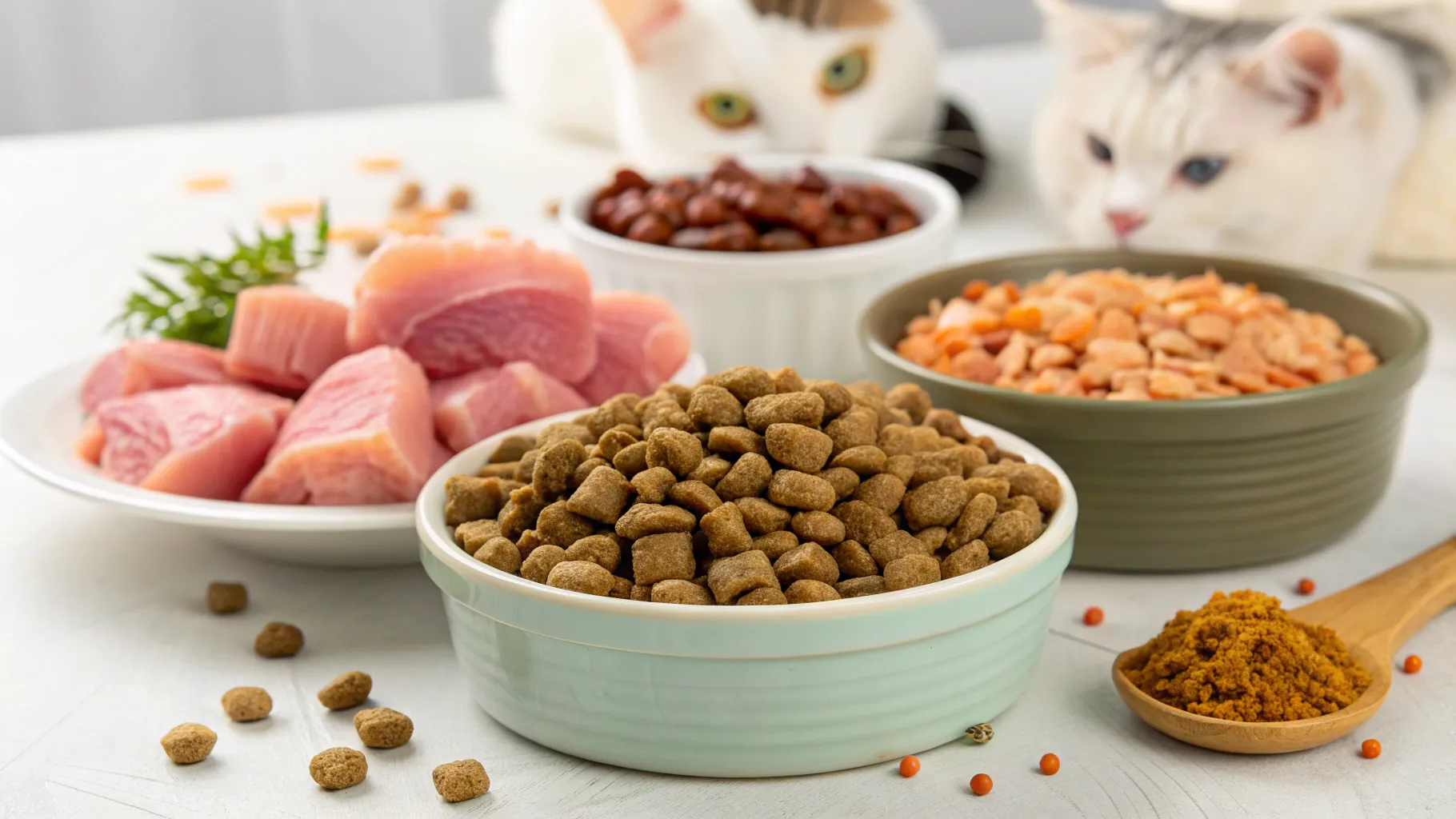
Learn More About Ingredients in Dry Cat Foods to Avoid
Feeding your cat the best diet is a top priority for every responsible pet owner. In 2025, cat owners are increasingly aware of the implications of their choices, especially when it comes to dry cat foods. The plethora of options available can often lead to confusion, especially with contradicting information about which ingredients are safe and which ones are harmful. Recent studies have highlighted several ingredients commonly found in cat food that should raise red flags, illuminating the need for pet owners to be discerning about their purchases. Let’s delve into the ingredients you should avoid.
Identifying Harmful Ingredients in Cat Food
There’s a common misconception that all pet foods must be healthy for our furry friends; unfortunately, many miles away from that ideal. Numerous dry cat foods on the market contain ingredients that may severely impact your cat’s health over time. Here’s a breakdown of the ingredients to scrutinize:
- Artificial Preservatives: Ingredients like BHA, BHT, and ethoxyquin are prevalent in many dry cat foods. These substances are used to extend shelf life but recent studies, including data from consumer safety groups, suggest they may be linked to serious health issues, including cancers.
- Animal By-Products: When you see terms like "meat by-products" or "chicken by-products," exercise caution. These ingredients often include parts of animals that are not considered suitable for human consumption. They can lack essential nutrients and their long-term effects on your cat’s health remain questionable.
- Fillers: Ingredients such as corn, wheat, and soy are commonly used as fillers in many dry cat foods. Since cats are obligate carnivores, they thrive on protein-based diets. These fillers do not provide the needed nutrients and can lead to obesity, diabetes, and other health complications.
- High Sodium Content: Alarmingly, many dry cat foods also contain excessive sodium. This ingredient not only increases thirst but also elevates the risk of kidney disease and heart issues, particularly in older cats. Statistics in 2025 indicate that over 30% of commercial cat food brands fall short in this area.
- Color Additives: While the appeal of colorful food is understandable, synthetic dyes can have adverse effects. Research suggests these additives can trigger allergies and affect your cat’s behavior.
A recent survey reveals that nearly 60% of popular dry cat food brands contain at least one of these harmful ingredients. The data highlights the importance of understanding what labels are saying when you shop for your cat.
Understanding What Not to Feed Cats in Dry Food
While it’s essential to avoid certain harmful ingredients, it’s equally important to know specific components that should never be present in your cat's food. When perusing labels, keep an eye out for these:
- Grain-Heavy Diets: As natural carnivores, cats do not digest grains effectively. A diet heavy in grains can lead to gastrointestinal problems and should be avoided. Choose foods where animal protein is the primary component instead.
- Low-Quality Proteins: Watch out for vague terms like "meat meal." Always opt for products that explicitly state the type of meat used. Ingredients that provide clear sources of animal protein can significantly improve your cat's health.
- Sugar: Interestingly, some manufacturers add sugar that makes their food more flavorsome, but this could backfire. Sugar contributes to obesity, diabetes, and overall health decline in cats.
Identifying Unhealthy Dry Cat Food Brands
The market can be tricky as some brands compromise quality for lower costs. For the safety of your furry friend, it's essential to avoid the following brands known for their poor ingredient choices:
- Brand A: This brand is notorious for using low-quality protein fillers and artificial flavors that can lead to serious health issues over time.
- Brand B: Caution is warranted with this brand due to its reliance on artificial preservatives and color additives, making it a poor choice for your cat.
- Brand C: Known for high levels of unhealthy grains, this competitor has garnered negative reviews for its low meat content and questionable ingredients.
If you're invested in maintaining your cat's health, it's best to steer clear of these brands. They may save a few dollars, but the long-term consequences aren't worth it.
Safe Alternatives to Dry Cat Foods
Luckily, as more information becomes available, pet owners in 2025 have a wealth of nutritious, safer alternatives that cater to your cat's dietary needs without the health risks associated with many commercial dry foods.
- High-Quality Grain-Free Brands: By focusing on offerings that prioritize high-quality protein without grains, you are making a smarter choice for your feline. Ingredients that feature real meat as the first component are generally better.
- Raw or Freeze-Dried Options: A growing trend among pet owners is opting for raw or freeze-dried cat food. These options typically have less processing and are free from fillers and artificial additives, preserving their nutritional integrity.
- Home-Cooked Meals: Taking the time to prepare cat food at home allows you complete control over what your cat consumes. This option can cater to any specific dietary requirements while eliminating harmful ingredients.
Consulting with your veterinarian can also help lead you to the right diet plan for your feline based on its needs and health considerations. Knowledge is indeed power in 2025, especially when it comes to making informed decisions about pet nutrition.
By taking the time to learn about what’s inside cat food and understanding the implications of those ingredients, you can ensure a longer, healthier life for your furry companion. Remember, when it comes to your cat's food, choose wisely to foster a happier and healthier life for your beloved pet.
With the right information, you can navigate the sometimes murky waters of cat food choices, aiming for a vibrant and fulfilling life for your feline friend. Your conscientious choices today can make a world of difference for their tomorrow.