Guide to Fatty Liver: Causes, Symptoms and Treatment
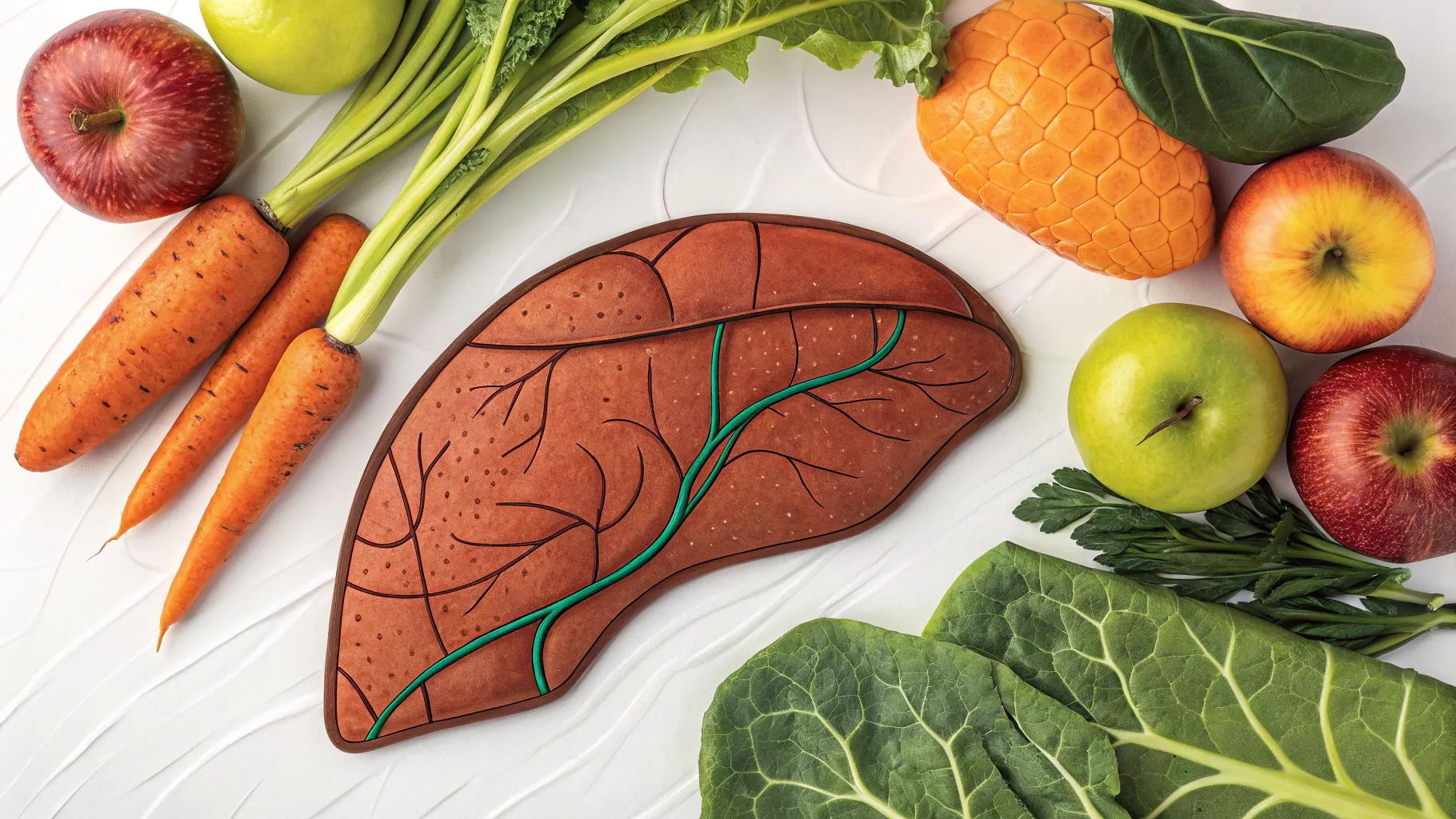
Understanding Fatty Liver Disease Its Causes and Symptoms
Fatty liver disease, known medically as hepatic steatosis, is a pressing health issue that has now reached epidemic levels worldwide, affecting nearly one in four adults. This condition arises when excess fat builds up in liver cells, and it primarily presents in two forms: alcoholic fatty liver disease (AFLD) and non-alcoholic fatty liver disease (NAFLD). In recent years, particularly in 2025, the incidence of NAFLD has notably risen, largely due to prevalent lifestyle factors, such as obesity, poor dietary choices, and insufficient physical activity.
Causes of Fatty Liver Disease
The factors contributing to the development of fatty liver disease are varied, but some of the most significant include:
- Obesity: Being overweight is the most critical risk factor, with approximately 70% of individuals diagnosed with fatty liver falling into this category. Excess body weight leads to fat accumulation in the liver, significantly raising the risk of severe health complications.
- Diabetes and Insulin Resistance: These metabolic disorders profoundly affect how fats are processed in the body. Recent studies reveal that around 50% of patients with type 2 diabetes show signs of fatty liver, highlighting the interconnectedness of these conditions.
- Poor Diet: Diets high in sugar, refined carbs, and unhealthy fats are significant contributors to fatty liver disease. Alarmingly, recent statistics show a 30% rise in sugary beverage consumption over the past five years, correlating with a 25% increase in NAFLD cases among adults.
- Sedentary Lifestyle: As technology advances and convenience overshadows physical activity, many individuals have adopted more sedentary lifestyles. This inactivity plays a critical role in the development of liver-related issues.
- Beneficial Dietary Patterns: Interestingly, recent data indicates that diets such as the Mediterranean and Latin American diets emphasize healthy fats, whole grains, and fibers, which have shown effectiveness in countering the progression of fatty liver disease.
Recognizing the Symptoms of Fatty Liver Disease
Fatty liver disease is often referred to as a "silent condition" since many individuals are unaware they have it. Recent surveys have shown that only about 20% of diagnosed individuals report experiencing symptoms. However, early detection remains crucial. Recognizing the following signs may prompt timely medical evaluation:
- Fatigue: Constant tiredness is a common complaint among those with fatty liver.
- Abdominal Pain: Discomfort or pain in the right upper quadrant of the abdomen may occur, frequently due to liver enlargement.
- Unexplained Weight Loss: Some individuals may experience significant weight loss without any intentional changes to their diet or lifestyle.
- Swelling in the Abdomen: In advanced cases, fluid accumulation in the abdominal cavity can lead to noticeable swelling.
- Itching: A persistent itch may arise as a symptom of liver-related issues, causing considerable discomfort.
Due to the subtle nature of these symptoms, regular health check-ups are essential, especially for individuals categorized as high risk, such as those who are overweight or have diabetes.
Diagnosing Fatty Liver Disease
Diagnosis typically involves a comprehensive approach, which may include blood tests to check liver enzyme levels, imaging techniques like ultrasound or CT scans, and, in some cases, liver biopsies to assess the extent of fat accumulation. These diagnostic methods aid healthcare professionals in gauging liver health accurately.
Fatty Liver Treatment Options
In 2025, while there is no specific medication solely addressing fatty liver disease, treatment strategies emphasize lifestyle modifications designed to improve overall health and liver function. Implementing the following approaches can effectively combat fatty liver:
- Weight Loss: Research indicates that losing just 5-10% of body weight can significantly decrease liver fat for individuals with NAFLD.
- Healthy Diet: Emphasizing a diet rich in fruits, vegetables, whole grains, and healthy fats while minimizing processed foods is paramount for maintaining liver health. Healthcare professionals frequently advocate following a Mediterranean-style diet due to its substantial benefits.
- Regular Exercise: Engaging in consistent physical activity, even moderate exercises like walking or swimming, greatly enhances liver fat reduction and overall well-being.
- Avoiding Alcohol: Since alcohol is detrimental to liver health, particularly for those diagnosed with hepatic steatosis, complete abstinence is essential.
- Blood Sugar Management: For those living with diabetes, effectively managing blood sugar levels through dietary control and medication can significantly benefit liver health outcomes.
"Recent studies indicate that individuals who maintain regular physical activity exhibit remarkable improvements in liver function tests, demonstrating the vital impact of lifestyle choices on managing liver health."
In addition to lifestyle interventions, healthcare providers may consider recommending vitamin E supplementation or tailored medications for specific cases. Cutting-edge research continues to explore potential treatments that may offer more targeted solutions.
As awareness of fatty liver disease expands, understanding its potential long-term implications becomes increasingly important. If left unaddressed, fatty liver can escalate into severe complications, including fatty liver inflammation or cirrhosis. Consequently, proactive health management and ongoing medical consultations are crucial.
Highlighting liver health is essential, as taking meaningful actions to mitigate the risk of fatty liver disease can profoundly impact overall well-being. By equipping themselves with insights into the causes, symptoms, and management strategies associated with fatty liver disease, individuals can make informed lifestyle changes and lead healthier lives.
Furthermore, while the road to recovery may seem daunting, it is absolutely achievable with commitment and awareness. Remember, your liver health is intertwined with your overall health—prioritize it today to ensure a healthier tomorrow.