Essential Guide to Dental Implants for Seniors Health
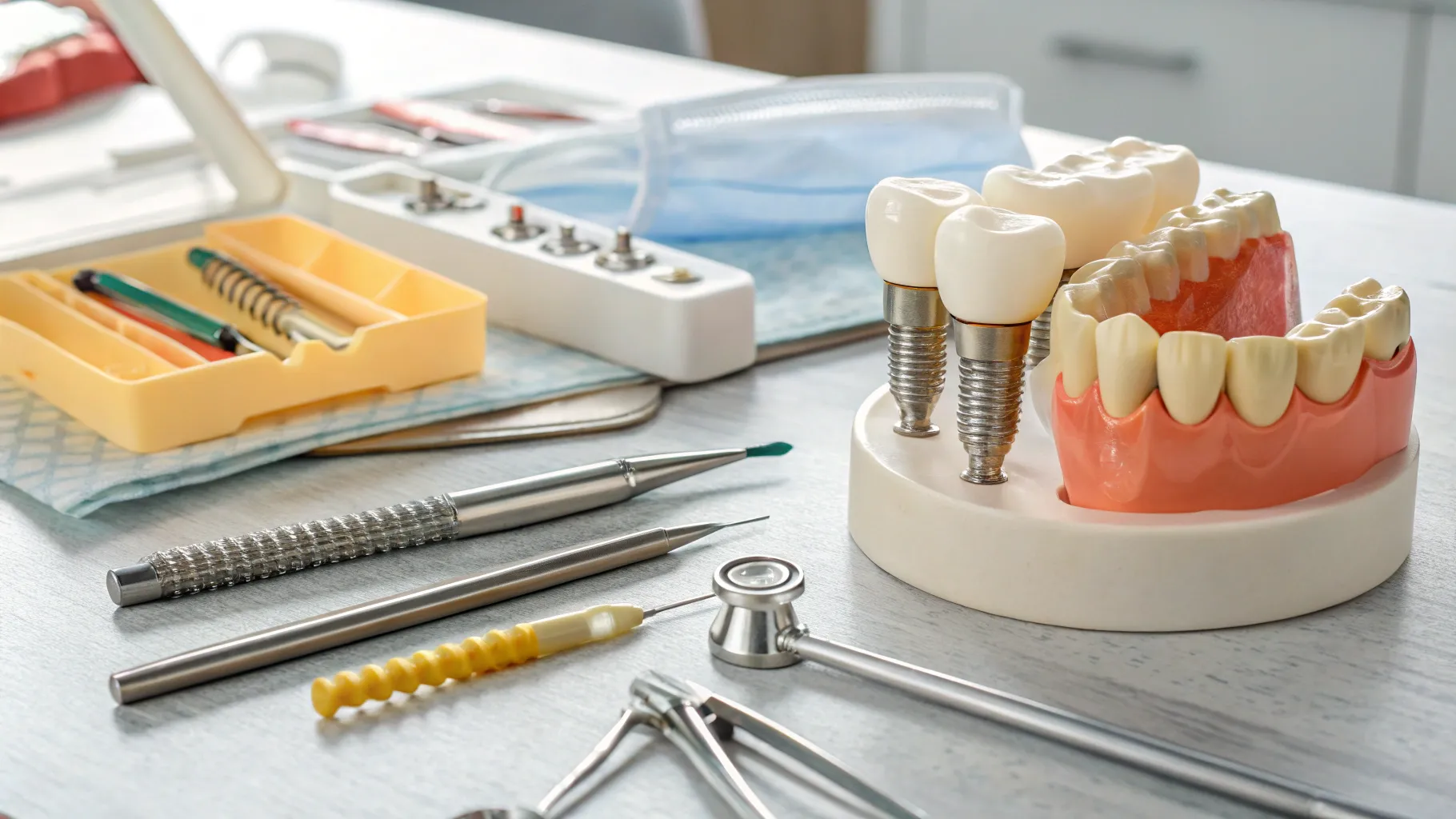
Dental Implants for Seniors Guide
As we age, maintaining oral health can present unique challenges and concerns. Dental implants offer a highly effective solution for seniors looking to replace missing teeth and improve their overall quality of life. In this guide, we explore everything you need to know about dental implants for seniors, emphasizing procedures, types, care, and the impact of oral health on aging individuals.
Understanding Dental Implant Procedures for Older Adults
Dental implants are more than just artificial teeth; they are intricate solutions that provide stability and functionality to a person's bite. For older adults, the process begins with a thorough dental evaluation. Here’s a concise breakdown of what to expect:
- Initial Consultation: A dentist assesses oral health and discusses the patient's medical history. This step ensures that potential risks are evaluated, especially considering conditions common in seniors.
- X-rays and Imaging: Advanced imaging techniques are used to evaluate bone density and identify the best locations for implant placement.
- Implant Surgery: Under local anesthesia or sedation, the implant—a small titanium post—is surgically embedded into the jawbone. This procedure can take anywhere from 1 to 2 hours and is generally safe for seniors in good health.
- Osseointegration: Over the next few months, the implant will fuse with the jawbone, providing a strong foundation for the new tooth.
- Abutment Placement: After osseointegration, an abutment (a connector piece) is placed atop the implant, which will hold the crown.
- Crown Placement: Finally, a custom-made crown is attached, completing the restoration process.
Types of Dental Implants Explained
When considering implants, it's essential to know the types available. Each type serves different needs, especially for seniors:
- Endosteal Implants: These are the most common type, placed directly into the jawbone and are suitable for most individuals with healthy bone structure.
- Subperiosteal Implants: For seniors with insufficient bone height, these implants rest on the jawbone beneath the gum tissue, providing an alternative that doesn’t require extensive bone grafting.
- Implant-Supported Dentures: For seniors missing multiple teeth, implant-supported dentures can provide stability. They involve several implants to hold a detachable set of prosthetic teeth, improving comfort and oral function.
According to recent statistics, over 3 million people have dental implants in the USA, with that number expected to rise as more seniors seek effective tooth replacement solutions. Their growing popularity can be attributed to advances in dental technology and techniques that ensure a smoother process and quicker recovery.
Highlighting Senior Oral Health and Implants
An essential factor for seniors considering dental implants is understanding the role of oral health in their overall well-being. Poor oral health has links to systemic illnesses, such as heart disease and diabetes, making it critical that older adults prioritize dental care. Regular dental check-ups can help maintain oral hygiene and assist in early detection of issues that might complicate implant surgery.
Moreover, maintaining good nutrition is vital for seniors, particularly in aiding healing post-surgery. A balanced diet rich in vitamins and minerals can significantly affect recovery, making it easier for the body to integrate the new implant into the jawbone.
Dental Implant Care for Seniors
Once implants are placed, proper care is crucial to their longevity and effectiveness. Here are some care tips tailored for seniors:
- Regular Oral Hygiene: Just like natural teeth, implants require regular brushing and flossing to prevent plaque buildup and gum disease.
- Routine Dental Visits: Schedule regular check-ups and professional cleanings to ensure the implant area remains healthy.
- Avoid Smoking: Smoking can jeopardize the success of dental implants. Quitting can significantly improve recovery and longevity.
Oral health should not be underestimated; untreated gum disease can lead to implant failure. The American Dental Association recommends that seniors develop a consistent oral health routine to enhance treatment outcomes.
Real-World Examples of Success
Many seniors have successfully integrated dental implants into their lives, drastically improving their confidence and dietary options. For instance, Mary, a vibrant 72-year-old, opted for a single implant after losing a molar. She reports that her dental implant has restored her ability to chew comfortably and eat her favorite foods again. Similarly, John, 68, who had multiple missing teeth, chose implant-supported dentures. Post-treatment, he expressed immense relief, stating he no longer hides his smile, enhancing his social interactions.
Choosing the Right Dental Professional
Finding a skilled dental professional is crucial when considering dental implants. Look for a provider specializing in implant dentistry with experience treating older adults. This expertise can make a significant difference in the success of the procedure and the overall patient experience. Reading online reviews, asking for referrals, and discussing your concerns and expectations during consultations can also lead to informed decisions.
Dental implants can reshape the quality of life for seniors. With advancements in technology and a proactive approach to oral health, aging adults can maintain their dental aesthetics and functionality without compromise. So, if you or a loved one are considering dental implants, seek professional advice to explore how they can enhance your life today.