Essential Dental Implants Guide for Your Smile in 2025
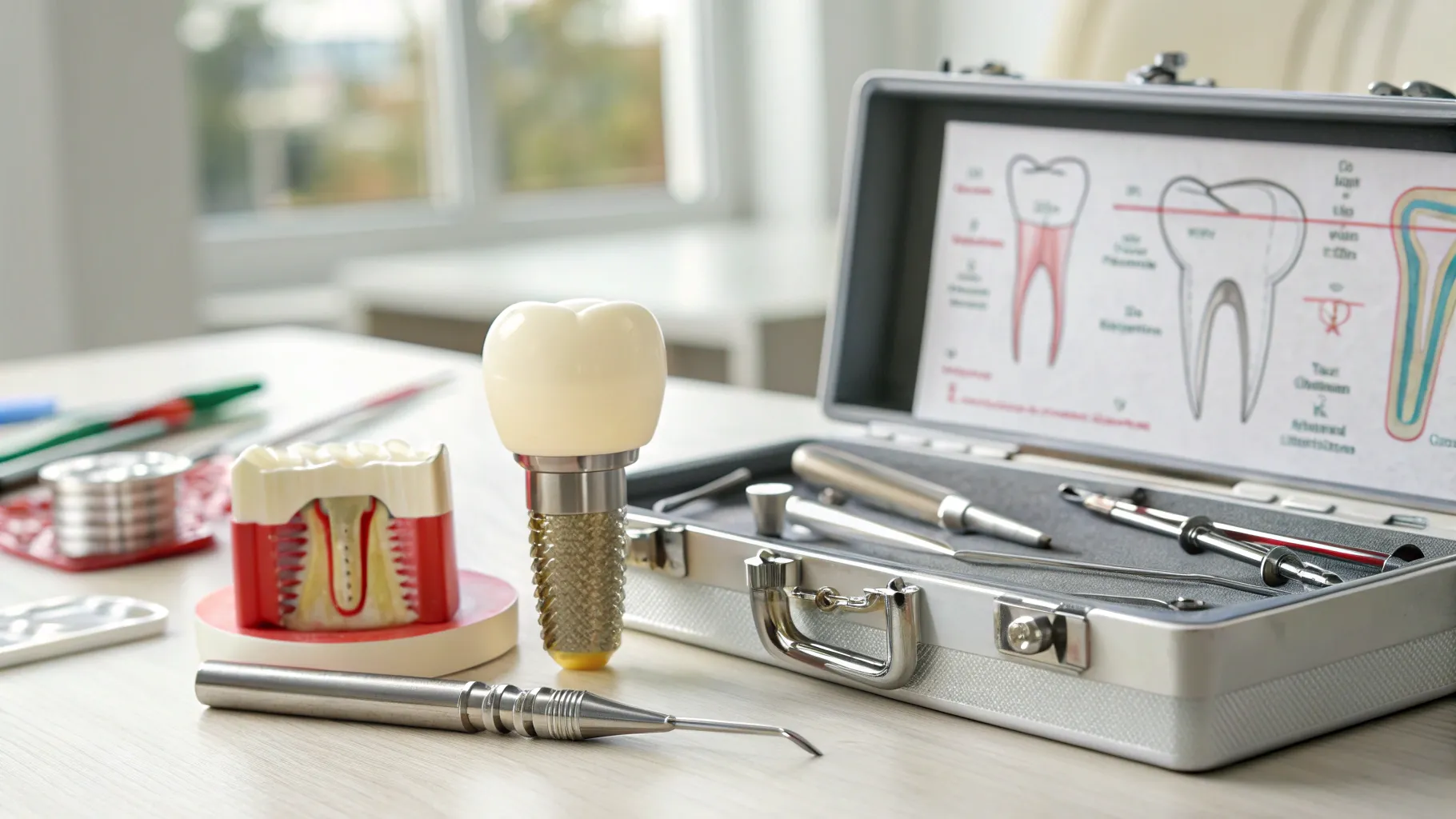
Your Comprehensive Guide to Dental Implants
Navigating the realm of dental implants in 2025 can seem overwhelming, especially with the myriad of options and advancements that have emerged in dental technology. However, understanding the fundamentals of dental implants and their functionality can significantly ease your decision-making process. Today, dental implants are a leading solution for replacing missing teeth, offering not only aesthetic enhancements but also a range of functional benefits that contribute to improved oral health.
Understanding Dental Implants
Dental implants comprise artificial tooth roots, most commonly made from titanium due to its strength and compatibility with human bone. These implants are surgically inserted into the jawbone, establishing a sturdy base for replacement teeth, known as crowns. With the rapid progression in dental technology, implants have become a reliable and efficient choice for many.
The growing popularity of dental implants can be attributed to several notable advantages:
- Natural Look and Feel: Modern advancements ensure that implants closely resemble the look and feel of real teeth, blending seamlessly with existing ones.
- Lasting Durability: With proper maintenance, many patients enjoy the benefits of implants for a lifetime, making them a worthwhile investment in dental health.
- Jawbone Health: Implants help preserve jawbone structure by stimulating the bone, preventing the deterioration that often occurs with missing teeth.
- Enhanced Oral Health: Unlike traditional bridges, dental implants do not require altering neighboring teeth, thereby promoting better overall oral health.
As of early 2025, estimates reveal that over 3 million Americans have opted for dental implants, with approximately 500,000 new procedures being performed each year, showcasing a significant trend toward restorative dental treatments. These figures underline the increasing confidence patients have in this dental solution.
Exploring Types of Dental Implants
The variety of dental implant techniques available today ensures that different patient needs are met effectively. Here are some of the prevalent types of dental implants:
- Endosteal Implants: These are the most common type, directly inserted into the jawbone and shaped like small screws, ensuring a secure fit.
- Subperiosteal Implants: Suitable for individuals who have inadequate jawbone height, these implants are placed under the gum but rest above the jawbone, offering another viable alternative.
- Zygomatic Implants: Designed for patients experiencing significant bone loss, these implants anchor into the cheekbone rather than the upper jaw, providing a successful solution for even the most challenging situations.
- Immediate Load Implants: These allow for the immediate fitting of a crown on the same day as the implant placement, catering to those eager for swift results.
Choosing the appropriate type of dental implant is crucial and should be based on individual needs and thorough dental health assessments. Consulting with a skilled dental professional is essential; they will evaluate your unique situation and devise a tailored treatment plan.
The Journey of Getting Dental Implants
Understanding the journey to receive dental implants is vital for prospective patients. Here’s a breakdown of the key stages involved in the process:
- Initial Consultation: Your journey begins with a thorough evaluation by your dentist. They will assess your dental history, conduct oral examinations, and use x-rays to evaluate bone density.
- Treatment Planning: After the assessment, a customized treatment plan will be developed, outlining the recommended type of implant and detailed procedure steps.
- Surgery: Conducted in a minor surgical outpatient setting, a titanium post is placed into the jawbone under local anesthesia, typically taking a few hours.
- Healing Period: Following the surgery, a healing phase of approximately three to six months ensues, during which the bone will integrate with the implant, creating a secure connection.
- Abutment Placement: After the healing stage, an abutment is attached to the implant, which will serve as the support for the crown.
- Crown Attachment: Finally, the custom-designed crown is affixed, restoring both functionality and aesthetics to your smile.
Each step is crucial for the long-term success of your dental implant, and maintaining open communication with your dentist enhances the overall experience.
Maintaining Your Dental Implants
Once you've had dental implants placed, proper care is essential for their longevity. By adopting good oral hygiene practices, you can maintain a healthy environment for your implants. Here’s how to ensure your dental implants thrive:
- Daily Oral Hygiene: Just like your natural teeth, it's important to brush at least twice a day and floss daily. Consider using specialized floss or interdental brushes for effectively cleaning around the implant area.
- Regular Dental Visits: Schedule check-ups every six months for professional cleanings and assessments; this routine helps identify and address potential issues early.
- Mind Your Diet: Be cautious with hard foods that could damage either the crown or the implant itself.
- Avoid Tobacco: Smoking can delay healing and jeopardize the success of implants. Quitting not only benefits your oral health but enhances implant outcomes significantly.
Recent studies show that individuals who strictly follow these care practices can achieve success rates exceeding 95% within five years, reinforcing the importance of diligent aftercare following your implant procedure.
As you weigh the option of dental implants, staying informed about the procedures, choices, and care strategies will empower you. Gaining familiarity with every aspect of dental implants prepares you for your journey, ultimately contributing to your overall oral health. Whether you are considering implants or are already navigating through the process, having knowledge at your side will be your most valuable tool in achieving a radiant smile.