Essential Guide to Dementia Diet for Brain Health
Dementia Diet Understanding and Importance
In 2025, as we delve deeper into the implications of dementia, the role of a dementia diet stands at the forefront of conversation among healthcare professionals and families alike. The World Health Organization reports an alarming trend, noting that there are approximately 55 million people worldwide living with dementia. This highlights a critical need to explore how nutrition could potentially support brain health for those affected by this condition. Recent studies within the last six months have underscored the impact of specific dietary patterns that not only promote general health but may also enhance cognitive function and improve the quality of life for individuals living with dementia.
Foods That May Support Brain Health in Dementia
Shaping a positive approach to brain health involves the careful selection of foods that deliver essential nutrients known to support cognitive abilities. Here are some foods that may support brain health in dementia:
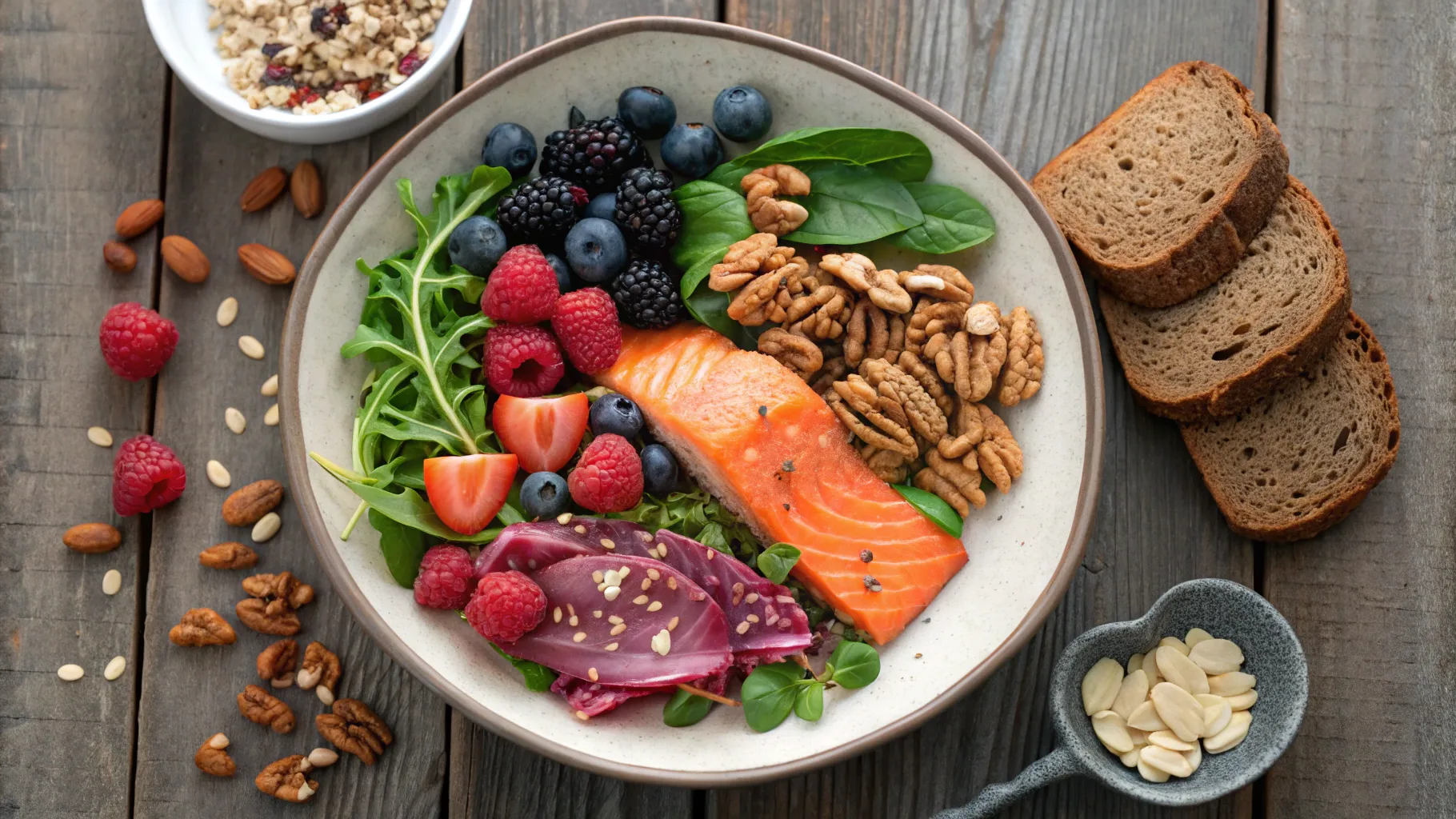
- Fatty Fish: Rich in omega-3 fatty acids, varieties such as salmon, mackerel, and sardines are not just delicious but have proven to support brain functionality by reducing inflammation in the brain, a key factor in cognitive decline.
- Berries: Blueberries have recently gained recognition for their significant antioxidant content. Studies show they improve communication between brain cells, potentially slowing down cognitive decline and enhancing memory.
- Nuts and Seeds: Particularly walnuts and flaxseeds are praised for their healthy fats, antioxidants, and vitamin E, which are believed to protect against neurodegenerative diseases.
- Leafy Greens: Vegetables like spinach, kale, and collard greens are packed with nutrients that are essential for brain health and could boost cognitive functioning.
- Whole Grains: Foods such as brown rice, oats, and whole wheat bread serve as energy sources that help regulate blood sugar levels, essential for optimal brain function.
- Turmeric: This bright yellow spice, known for its active compound curcumin, is gaining attention for its potential to reduce inflammation and oxidative stress by crossing the blood-brain barrier.
Nutrition Tips for Dementia Care
Caring for individuals with dementia requires thoughtfulness around nutrition. Here are some nutrition tips for dementia care that can make a meaningful difference:
- Maintain Routine: Establishing a consistent meal schedule is key. Individuals with dementia often thrive on daily routines, which can help minimize confusion and anxiety around meal times.
- Encourage Hydration: It’s vital to ensure adequate fluid intake. Dehydration can exacerbate confusion and behavioral issues, so regularly encourage consuming water, herbal teas, or broth-based soups.
- Make Meals Appealing: Presentation matters! Brightly colored plates, a variety of food textures, and familiar flavors can be enticing and stimulate appetite.
- Promote Independence: Wherever possible, allow individuals to partake in meal preparation or self-serving. This approach fosters a sense of independence, agency, and engagement with food.
- Monitor Eating Difficulties: As the disease progresses, eating habits may change. Keep an eye for signs of swallowing difficulties and adapt food textures accordingly. Soft foods or nutritious smoothies can often be easier to handle.
Healthy Eating for Cognitive Function
Recent research findings reveal that a balanced dementia diet can significantly enhance cognitive function. A groundbreaking study published in early 2025 found that older adults adhering to a Mediterranean-style diet, characterized by high olive oil use, abundant fruits and vegetables, rich fish sources, and limited red meat, demonstrated enhanced cognitive performance over time compared to those on a typical Western diet.
Interestingly, the MIND diet (Mediterranean-DASH Diet Intervention for Neurodegenerative Delay) is gaining traction for its explicit focus on brain-healthy foods. This dietary plan encourages:
- Regular intake of green leafy vegetables, berries, nuts, and fish, all known to foster brain health.
- Limiting foods high in saturated fats, such as butter, cheese, and red meat, which could contribute to cognitive decline.
- Incorporating whole grains in meals to ensure consistent energy levels and maintain healthy brain function.
Dietary Plans for Dementia Patients
Crafting a tailored dietary plan for dementia patients can lead to beneficial outcomes. Below is a sample meal plan that aligns with the wholesome ideas behind a dementia diet:
Breakfast: Start the day with oatmeal topped with fresh berries and a sprinkle of chopped walnuts, accompanied by scrambled eggs to boost protein intake.
Lunch: A quinoa salad with spinach, colorful cherry tomatoes, cucumbers, and grilled salmon drizzled with olive oil and fresh lemon juice defines a nutritious afternoon meal.
Snack: For healthy snacking, consider hummus served with crunchy carrot sticks or whole-grain crackers to provide both nutrition and satisfaction.
Dinner: Consider baked chicken seasoned with turmeric, accompanied by steamed broccoli and sweet potatoes. Conclude with a berry smoothie made with almond milk for a delicious and healthful dessert.
This meal plan focuses on colorful foods rich in nutrients while remaining appealing and simple to prepare, making it easier to engage individuals in their nutritional journey.
As we embrace the evolving understanding of dietary impacts on cognitive health, it becomes increasingly important for families and caregivers to be armed with knowledge that leads to healthier choices. By encouraging the right dietary approaches, we foster environments conducive to brain health and potentially improve the lives of millions affected by dementia, paving the way for a future where nutritional awareness forms a cornerstone of dementia care.