Essential Guide to an Arthritis Diet for Better Health
Understanding Arthritis Diet
Living with arthritis can often be challenging. It affects millions of people worldwide, leading to chronic pain and mobility issues. However, adopting the right diet can play a significant role in managing symptoms. In 2025, more individuals are recognizing the importance of an arthritis-friendly diet to alleviate inflammation and support overall health.
Foods for the Arthritis Diet
When it comes to crafting an arthritis diet, certain foods can be particularly beneficial. Here’s a glance at some of the most helpful items to include in your meals:
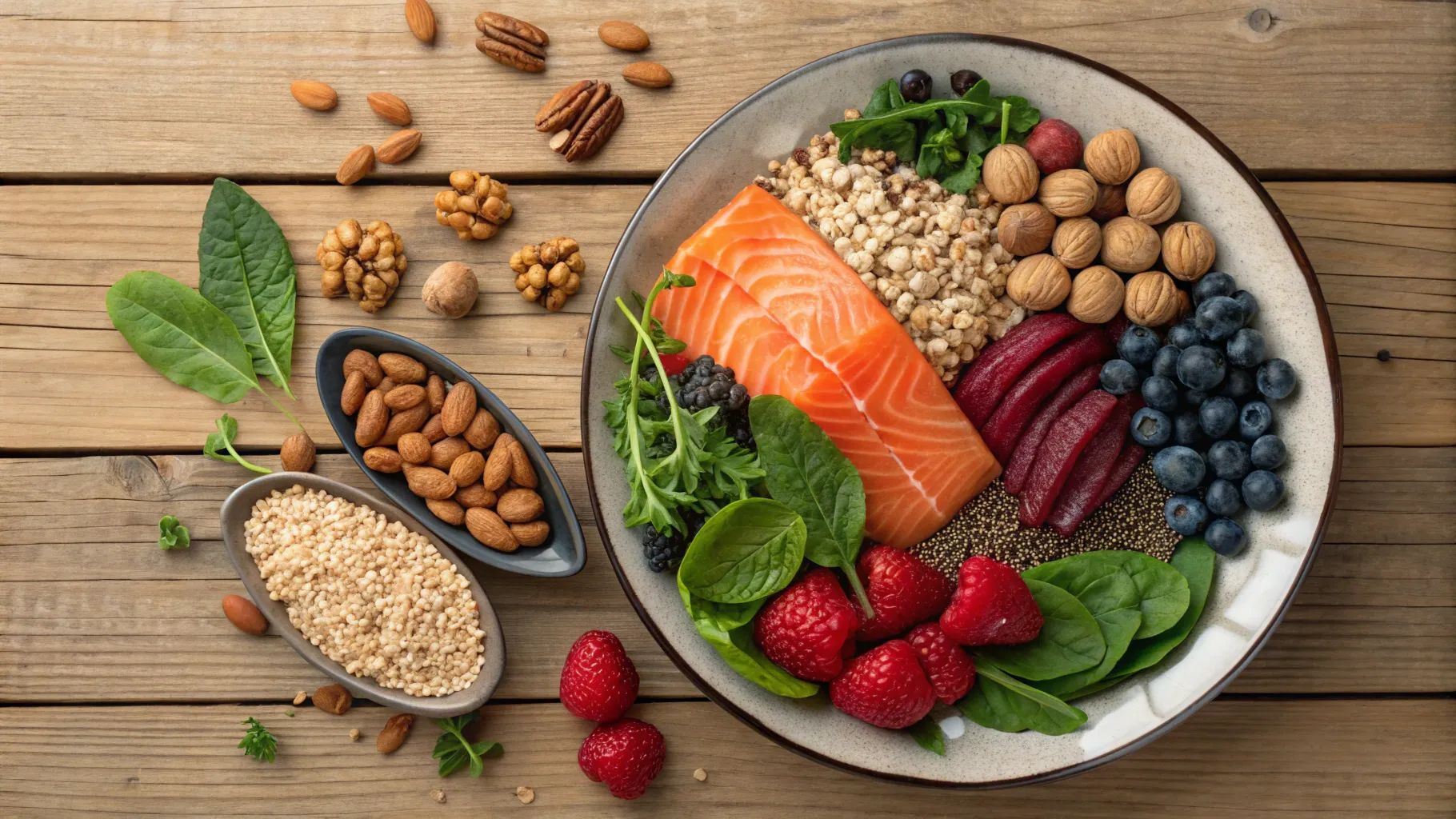
- Fatty Fish: Salmon, sardines, and mackerel are rich in omega-3 fatty acids, which are known for their anti-inflammatory properties. A study published in early 2025 showed that consuming fatty fish at least twice a week significantly reduced joint pain and stiffness in participants with rheumatoid arthritis.
- Berries: Blueberries, strawberries, and blackberries are packed with antioxidants that can help combat inflammation. Their vitamin C content also supports the immune system. Current data from nutritional studies convey that incorporating just one cup of berries daily has shown promise in reducing inflammatory markers.
- Leafy Greens: Spinach, kale, and Swiss chard are nutrient-dense and packed with vitamins E and K, both essential for reducing inflammation. They also have high fiber content which is linked to overall lower inflammation levels.
- Nuts and seeds: Walnuts, chia seeds, and flaxseeds provide healthy fats and magnesium, which may play a role in reducing joint pain. A recent survey revealed that participants who included a handful of walnuts daily reported a notable decrease in morning stiffness.
- Olive Oil: Extra virgin olive oil is a staple in the Mediterranean diet and provides a similar effect to anti-inflammatory medications. It contains oleocanthal, which can help reduce inflammation. In 2024, a significant study shed light on the benefits of replacing saturated fats with olive oil, showcasing reduced symptoms for arthritis sufferers.
Arthritis Diet Foods to Avoid
Just as important as knowing what to eat is understanding what to avoid. Here's a list of common food triggers that may worsen arthritis symptoms:
- Sugar: High-sugar foods, including sodas, candies, and baked goods, can aggravate inflammation. A recent study found that individuals consuming high quantities of sugar had a 25% higher risk of experiencing severe arthritis symptoms.
- Processed Foods: Items like chips, processed meats, and instant noodles often contain unhealthy trans fats, which can lead to inflammation. A 2025 dietary report indicated that participants who minimized their intake of processed foods experienced improved mobility and less pain.
- Refined Carbohydrates: White bread, pastries, and other refined carb sources may spike insulin levels, which can result in increased inflammation. Experts recommend opting for whole grains instead.
- Nightshade Vegetables: Some people with arthritis report sensitivity to vegetables like tomatoes, potatoes, and eggplants. Whether you have a specific reaction or not varies by individual, so it may be worth monitoring your body’s response to these foods.
- Excessive Alcohol: While moderate alcohol consumption might have certain health benefits, excessive intake can lead to increased inflammation and worsen overall health.
Tips for Managing Food Triggers
Managing diet restrictions can feel overwhelming, but employing a few practical strategies can simplify the process. One approach is to keep a food diary, tracking what you eat and how it affects your symptoms. This tangible log can help identify specific triggers. Moreover, meal prepping on weekends can ease the weekday rush, ensuring you have arthritis-friendly meals available when you're busy.
Cooking methods also matter. Steaming or baking foods rather than frying can help preserve their nutrients and minimize unhealthy fats.
It's also essential to stay hydrated. Water helps flush out toxins and supports overall inflammatory responses. Aim for at least eight glasses of water a day.
Arthritis Food to Eat
Building a balanced plate is critical in an arthritis diet. Strive for variety, as diverse nutrients work together synergistically to combat inflammation. Include:
- Whole Grains: Foods rich in fiber like quinoa, brown rice, and whole wheat bread help maintain stable blood sugar levels and promote digestive health. Recent studies show that diets high in fiber are associated with lower levels of inflammation.
- Legumes: Beans, lentils, and chickpeas are great sources of protein and fiber. They can be excellent substitutes for meat in various meals, contributing to overall heart health.
Moreover, spices such as turmeric and ginger can offer significant health benefits. Turmeric, in particular, contains curcumin, known for its anti-inflammatory effects. Adding these spices to your dishes can enhance flavor and potentially ease arthritis symptoms.
Lastly, consider introducing fermented foods to your diet, such as yogurt and kimchi, known to support gut health and reduce inflammation. A healthy gut flora can influence inflammatory responses in the body, which some new studies are steadily confirming.
In summary, understanding arthritis diet fundamentals and knowing which foods to embrace or eliminate is crucial. With the continued emergence of research and personal testimonials, many are finding that thoughtful food choices can lead to improved daily living and pain management. By crafting a diet tailored to your individual needs, you can not only manage arthritis more effectively but also enhance your overall health and well-being.