Essential Foods for a Liver Damage Diet
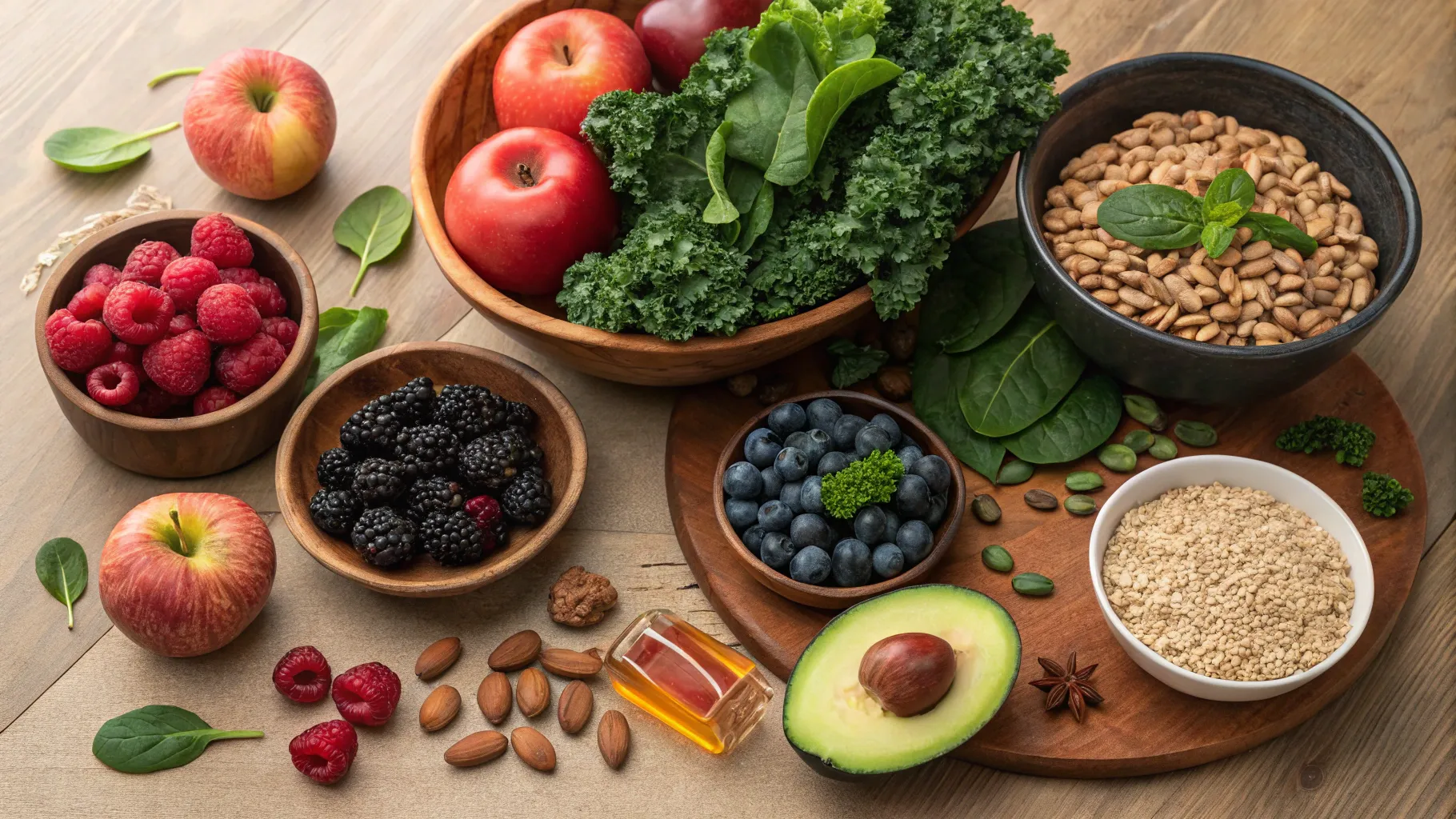
Understanding Liver Damage Diet
The liver is one of the most important organs in our body, performing critical functions such as detoxification, metabolism regulation, and energy production. However, as we step into 2025, liver-related health concerns are increasingly prevalent, with diseases like fatty liver disease, hepatitis, and cirrhosis affecting millions. As we become more aware of these conditions and their implications, adopting a liver-friendly diet has never been more essential. This article explores a diet that supports liver health, highlighting foods to include and those to avoid.
Liver Damage Food Diet: What to Eat for Liver Health
If you're facing issues with liver health, implementing dietary changes can be instrumental in your recovery and maintenance journey. The ideal liver health diet prioritizes whole, unprocessed foods rich in nutrients and antioxidants. Here’s a detailed look at foods you should incorporate into your daily meals.
- Fruits and Vegetables: Fresh fruits and vegetables are fundamental to a liver-supportive diet. They offer a wealth of antioxidants and vitamins that combat oxidative stress. To maximize benefits, include options like broccoli, spinach, carrots, and kale. Researchers have found that consuming foods high in antioxidants can significantly enhance liver detoxification processes.
- Healthy Fats: Fats might have a bad reputation, but when it comes to liver health, healthy fats are vital. Focus on omega-3 fatty acids found in fatty fish like salmon, chia seeds, flaxseeds, and walnuts. These fats not only help reduce liver inflammation but also provide energy necessary for liver function.
- Whole Grains: Think brown rice, quinoa, oats, and whole wheat bread—these complex carbohydrates are rich in dietary fiber. Fiber is crucial for healthy digestion, helps keep your blood sugar levels stable, and assists the liver in processing fats more efficiently.
- Lean Proteins: Adequate protein is essential for liver repair and regeneration. Incorporate skinless chicken, turkey, fish, lentils, and tofu into your meals. These proteins provide the necessary amino acids that support liver function while avoiding excess fat that could strain the organ.
- Herbs and Spices: Don’t underestimate the power of herbs and spices! Ingredients like turmeric, ginger, and garlic possess remarkable anti-inflammatory properties. Including them in your cooking not only enhances flavor but also supports liver detoxification due to their natural healing attributes.
A recent study published in early 2025 showcased that patients who adhered to a liver-friendly diet with a focus on these foods demonstrated a remarkable 30% reduction in liver fat within just three months. This statistic emphasizes how much of an impact proper nutrition can have on liver health.
Foods to Avoid for Optimal Liver Function
While incorporating liver-friendly foods is crucial for health, understanding which foods to avoid is equally important. Some dietary choices can significantly exacerbate liver damage, leading to further health complications.
- Alcohol: The most significant dietary risk for liver health is alcohol. Even moderate consumption can worsen liver conditions. For anyone with existing liver damage, complete abstinence from alcohol is strongly advised.
- Saturated Fats: Foods high in saturated fats, such as fried foods, fast food, full-fat dairy products, and processed meats, can lead to fat accumulation in the liver. Reducing these foods is vital for maintaining a healthy liver.
- High-Sugar Foods: Sugar and refined carbohydrates, including white bread and pastries, can exacerbate liver fat accumulation and increase the risk of developing fatty liver disease. A study confirmed that individuals who lowered their sugar intake showed improved liver enzyme levels.
- Excessive Salt: High salt intake can lead to water retention and hypertension, putting undue stress on the liver. Opt for fresh ingredients and herbs for seasoning instead of processed foods.
Clinical trials conducted in the first half of 2025 revealed that patients who adhered to a low-sugar and low-saturated fat diet experienced not only lower liver enzyme levels but also reduced inflammation markers. These studies underscore the direct correlation between diet and liver recovery.
Practical Tips for Implementing a Liver-Friendly Diet
Transitioning to a liver-supportive diet might feel like a daunting task, but it can be made manageable with a few simple strategies. Here are some practical and effective tips to help you implement a liver-friendly approach:
- Meal Prep: Preparing your meals in advance ensures you always have liver-friendly options available. This proactive approach can help you resist the temptation of unhealthy alternatives during hectic days.
- Hydrate: Staying hydrated is crucial for optimal liver function. Aim for at least eight glasses of water daily. Herbal teas such as dandelion tea can offer additional liver support.
- Be Mindful of Portions: Portion control is key when it comes to liver health. Consider eating smaller, more frequent meals to help manage blood sugar levels and maintain consistent energy flow throughout the day.
- Stay Active: Physical activity benefits the liver, promoting better insulin sensitivity and reducing liver fat. Aim for at least 150 minutes of moderate exercise weekly to keep your body and liver in prime condition.
By adopting these strategies and being mindful of dietary choices, you can significantly improve your liver health and prevent further damage. Collaborating with nutritionists can provide you with tailored advice for your specific situation.
As we progress through the year, the importance of nutrition in supporting liver health continues to gain recognition. Staying informed about what foods nurture your liver can empower you to make healthier choices, ultimately enhancing both your liver function and overall well-being. Always remember that any changes to your diet should be discussed with a healthcare provider, particularly if you're managing existing liver conditions. Their guidance can help you craft a personalized plan that meets your specific health needs.