Essential Flu Season Home Care Tips: How to Care for Yourself at Home
Facts:
- Influenza viruses can survive on surfaces for up to 48 hours.
- Proper hydration is a key recovery trend for effective flu season care at home.
Understanding the Foundations of At-Home Flu Recovery
When the flu strikes, your home becomes the primary place for recovery. Effective flu season home care tips are not just about waiting for the illness to pass; they are proactive steps you can take to alleviate symptoms and support your body's natural defenses. Truly understanding flu season home care tips involves a multi-faceted approach that covers rest, hydration, nutrition, and symptom management. This guide provides a comprehensive overview of how to care for yourself during flu season, turning your home into a sanctuary for healing and preventing the spread of the virus to others in your household. Mastering these strategies is crucial for a faster and more comfortable recovery period.
Key Home Care Ideas for Flu Symptoms: A Detailed Guide
Managing the array of symptoms that accompany the flu requires a targeted strategy. Effective home care ideas for flu symptoms focus on providing relief and supporting the immune system. From persistent coughs to body aches, each symptom can be addressed with specific at-home treatments. The goal is to remain as comfortable as possible while your body fights off the infection. Below, we explore the most critical components of flu season care at home, giving you the tools needed to navigate the illness effectively.
Hydration: Your First Line of Defense
Fever, a common flu symptom, can lead to significant fluid loss through sweating. Dehydration can worsen symptoms like headaches and fatigue. Therefore, maintaining hydration is one of the most vital flu season home care tips. Aim to drink plenty of fluids throughout the day. Water is excellent, but warm liquids like herbal tea with honey, clear broths, and electrolyte-rich drinks can be especially soothing and beneficial. Proper hydration helps thin mucus, relieve congestion, and ensures your body has the resources it needs for a robust immune response. This is a fundamental part of how to care for yourself during flu season.
Rest and Sleep: The Body's Natural Healer
Never underestimate the power of rest when you have the flu. Your body expends a tremendous amount of energy fighting the influenza virus. Pushing yourself to maintain a normal routine can prolong the illness and potentially lead to complications. Prioritizing sleep and rest allows your immune system to function at its peak. This is a cornerstone of managing flu season at home. Cancel non-essential plans, take time off work or school if possible, and allow your body the downtime it desperately needs to recover fully.
Managing Fever and Aches Safely
Fever and body aches are common and uncomfortable flu symptoms. Over-the-counter medications such as acetaminophen or ibuprofen can be effective in reducing fever and alleviating pain. However, it's crucial to follow the dosage instructions carefully and consult with a healthcare provider if you have pre-existing conditions or are taking other medications. Beyond medication, a lukewarm bath or cool compresses can also provide temporary relief from fever. These practical home care ideas for flu symptoms can significantly improve your comfort levels.
Creating a Comfortable Recovery Environment for Flu Season Care at Home
The environment in which you recover plays a significant role in your well-being. Effective flu season care at home involves more than just self-treatment; it's about creating a space conducive to healing. Keep the room at a comfortable temperature. Using a humidifier or a cool-mist vaporizer can add moisture to the air, which helps ease a sore throat and cough. Ensure you have clean, comfortable bedding and that the room is quiet and dimly lit to encourage rest. Simple adjustments can make a substantial difference in your recovery experience.
Nourishment and Diet: What to Eat When You Have the Flu
While your appetite may be diminished, proper nutrition is essential for recovery. The focus should be on easy-to-digest, nutrient-dense foods. This is a key aspect of how to care for yourself during flu season. Warm chicken soup is a classic for a reason; it provides hydration, electrolytes, and nutrients. Other good options include toast, rice, bananas, and applesauce. Avoid heavy, greasy, or spicy foods that can be hard on your digestive system. Small, frequent meals are often better tolerated than three large ones. Proper nourishment provides the building blocks your immune system needs to win the fight.
Preventing the Spread: Managing Flu Season at Home with Others
If you live with others, a critical part of care is preventing transmission. This is where managing flu season at home becomes a household effort. Try to isolate yourself in a separate room as much as possible. Practice diligent hand hygiene by washing your hands frequently with soap and water. Cover your coughs and sneezes with a tissue or your elbow. Regularly disinfect high-touch surfaces like doorknobs, light switches, and remote controls. These steps are fundamental to protecting your loved ones and containing the illness within your home.
Frequently Asked Questions
What are the most effective home care ideas for flu symptoms?
The most effective home care ideas for flu symptoms include prioritizing rest and sleep, staying well-hydrated with water and clear broths, using a humidifier to ease congestion, and taking over-the-counter medications like ibuprofen or acetaminophen to manage fever and aches. A comfortable environment is also key.
How can I best implement flu season care at home?
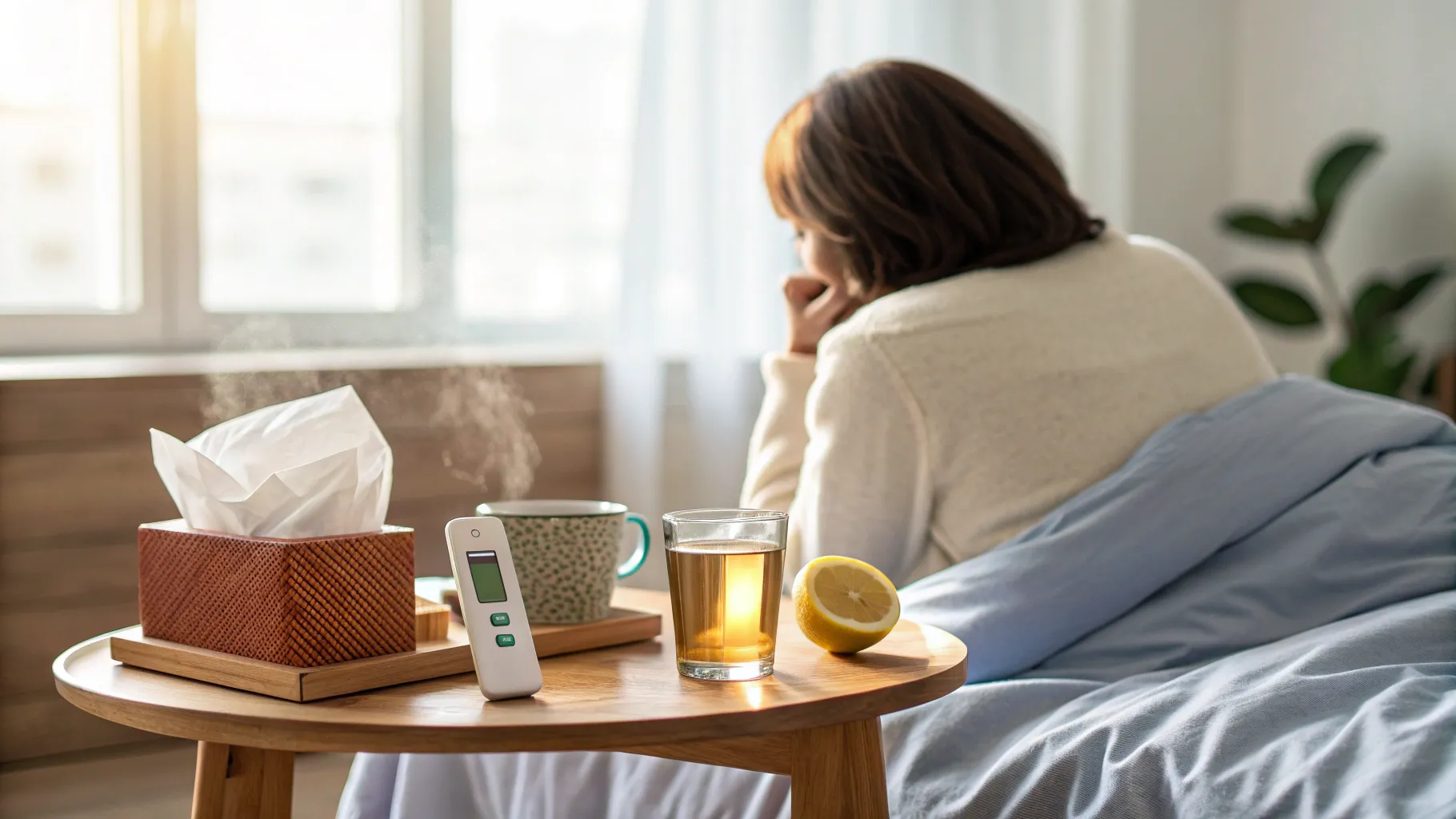
To implement proper flu season care at home, designate a 'sick room' to rest and limit contact with others. Keep essentials like tissues, water, a thermometer, and medications within reach. Focus on a simple routine of rest, hydration, and light nutrition to support your body's healing process.
When should I see a doctor instead of managing flu season at home?
While managing flu season at home is appropriate for most cases, you should seek medical attention if you experience difficulty breathing, persistent chest pain, confusion, severe or persistent vomiting, or a fever that improves but then returns worse. These could be signs of serious complications.
References
- Centers for Disease Control and Prevention (CDC) - Influenza (Flu) Care
- World Health Organization (WHO) - Influenza (Seasonal) Fact Sheet
- National Institute of Allergy and Infectious Diseases (NIAID) - Flu Treatment Information