Effective Bathroom Odor Removal Tips for a Fresher Home
Facts:
- Odor molecules embed in soft surfaces like towels.
- Using natural absorbents is a top trend for eco-friendly homes.
Understanding the Root Causes of Bathroom Odors
Before you can effectively tackle a smelly bathroom, it's crucial to understand where the problem originates. Masking the scent with sprays is only a temporary fix. For lasting freshness, you must identify and address the source. This is the first step in understanding bathroom odor removal tips that actually work. Common culprits include bacteria buildup in the toilet bowl, grime in the drain pipes, mildew growth in damp areas, and even a dried-out P-trap under the sink which allows sewer gases to escape. A comprehensive approach is the only way to truly eliminate bathroom odor and prevent its return. By pinpointing the specific cause, your efforts will be far more successful.
Natural and Powerful Bathroom Deodorizing Ideas
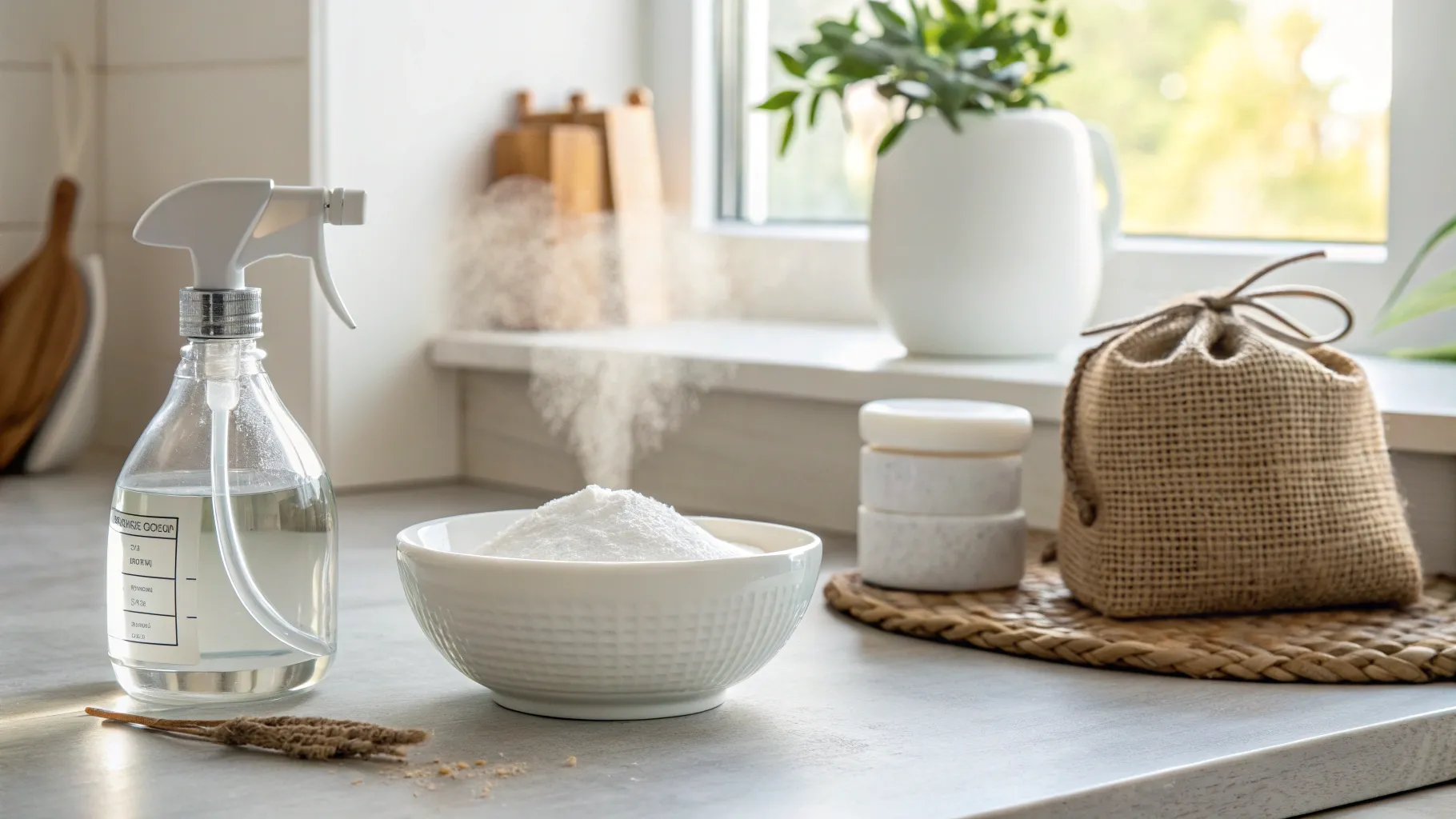
You don't need harsh chemicals to achieve a fresh-smelling bathroom. Many household staples are incredibly effective at neutralizing and absorbing odors. These bathroom deodorizing ideas are not only budget-friendly but also safer for your family and the environment. Baking soda is a classic odor absorber; place an open box or a decorative bowl of it on a shelf to passively soak up smells. White vinegar is another powerhouse, excellent for cleaning surfaces and neutralizing alkaline odors. A spray bottle filled with a 50/50 solution of vinegar and water can be used to clean countertops, floors, and the outside of the toilet. Activated charcoal is also highly porous and fantastic for trapping odor molecules. Placing a few charcoal briquettes in a discreet dish can make a significant difference.
A Strategic Guide on How to Remove Bathroom Smells
Once you've gathered your supplies, it's time to execute a targeted cleaning strategy. Following a systematic process is key to successfully learning how to remove bathroom smells for good. Start with the most common offender: the toilet. Clean it thoroughly inside and out, paying special attention to the base and the seat hinges where grime can hide. Next, address the drains in your sink and shower. Pour a cup of baking soda down the drain, followed by a cup of white vinegar. Let it fizz for 15-20 minutes to break down buildup, then flush with hot water. This simple action can get rid of bad bathroom odors that emanate from the pipes. Don't forget soft surfaces like bathmats, towels, and shower curtains, as they trap moisture and odors. Wash them regularly in hot water with a cup of vinegar added to the rinse cycle to eliminate any lingering mustiness.
Implementing Proactive Bathroom Odor Removal Tips
The best way to manage bathroom odors is to prevent them from developing in the first place. These proactive bathroom odor removal tips will help maintain a fresh environment long-term.
- Ensure Proper Ventilation: This is the most critical step. Always use the exhaust fan during and for at least 20 minutes after a shower to remove moisture-laden air. If you don't have a fan, crack open a window.
- Clean Regularly: A consistent cleaning schedule prevents the buildup of bacteria and grime. Wipe down surfaces weekly and perform a deep clean of the toilet, sink, and shower every two weeks.
- Keep Drains Clear: To prevent clogs and odor buildup, flush your drains with a baking soda and vinegar solution monthly. This is a simple trick to eliminate bathroom odor from pipes.
- Use Odor Absorbers: Keep an open container of baking soda or a bag of activated charcoal in the bathroom to passively absorb ambient odors around the clock. These are excellent long-term bathroom deodorizing ideas.
Maintaining a Fresh Scent Day-to-Day
Beyond deep cleaning and prevention, there are daily habits you can adopt to keep your bathroom smelling pleasant. Instead of relying on aerosol sprays which can be overpowering and contain volatile organic compounds (VOCs), consider natural alternatives. An essential oil diffuser with scents like eucalyptus, lemon, or tea tree oil can provide a continuous, pleasant aroma while also offering antibacterial properties. A small spray bottle filled with water and a few drops of your favorite essential oil can serve as a natural air freshener to use as needed. Taking these small steps is part of understanding bathroom odor removal tips as a holistic approach to home hygiene, ensuring you always know how to remove bathroom smells quickly and effectively.
Frequently Asked Questions
How often should I clean to truly eliminate bathroom odor?
For best results, a light cleaning should be done weekly, with a deep clean focusing on drains, the toilet base, and grout every two to four weeks. Consistency is the most important factor to get rid of bad bathroom odors permanently.
Are chemical air fresheners a good solution for bathroom smells?
While they can temporarily mask smells, chemical fresheners don't address the root cause of the odor. Many effective bathroom odor removal tips focus on neutralization and elimination, which is a more permanent solution than covering up the problem.
What are some of the best DIY bathroom deodorizing ideas?
Some of the most effective and popular bathroom deodorizing ideas include placing an open bowl of baking soda or activated charcoal in the room, using an essential oil diffuser, or making a simple spray with water, white vinegar, and a few drops of lemon essential oil.
References
- Journal of Home Environmental Health
- Studies in Applied Microbiology and Odor Control
- Consumer Reports on Cleaning Product Efficacy