Essential Arthritis Diet Tips Foods to Eat and Avoid
Understanding the Arthritis Diet
Living with arthritis can be a daily challenge. This chronic condition affects millions of people worldwide, leading to pain, swelling, and stiffness in the joints. Thankfully, recent studies suggest that adopting an arthritis diet can significantly improve symptoms. As we navigate life in 2025, a growing body of research is confirming that certain foods can reduce inflammation and support joint health. With heightened awareness of the connection between diet and arthritis, more individuals are turning to dietary changes as a key part of their management strategy.
Foods for an Arthritis Diet
When planning an arthritis diet, it’s essential to focus on foods known to help reduce inflammation and promote overall health. Incorporating these foods can make a significant difference in managing symptoms:
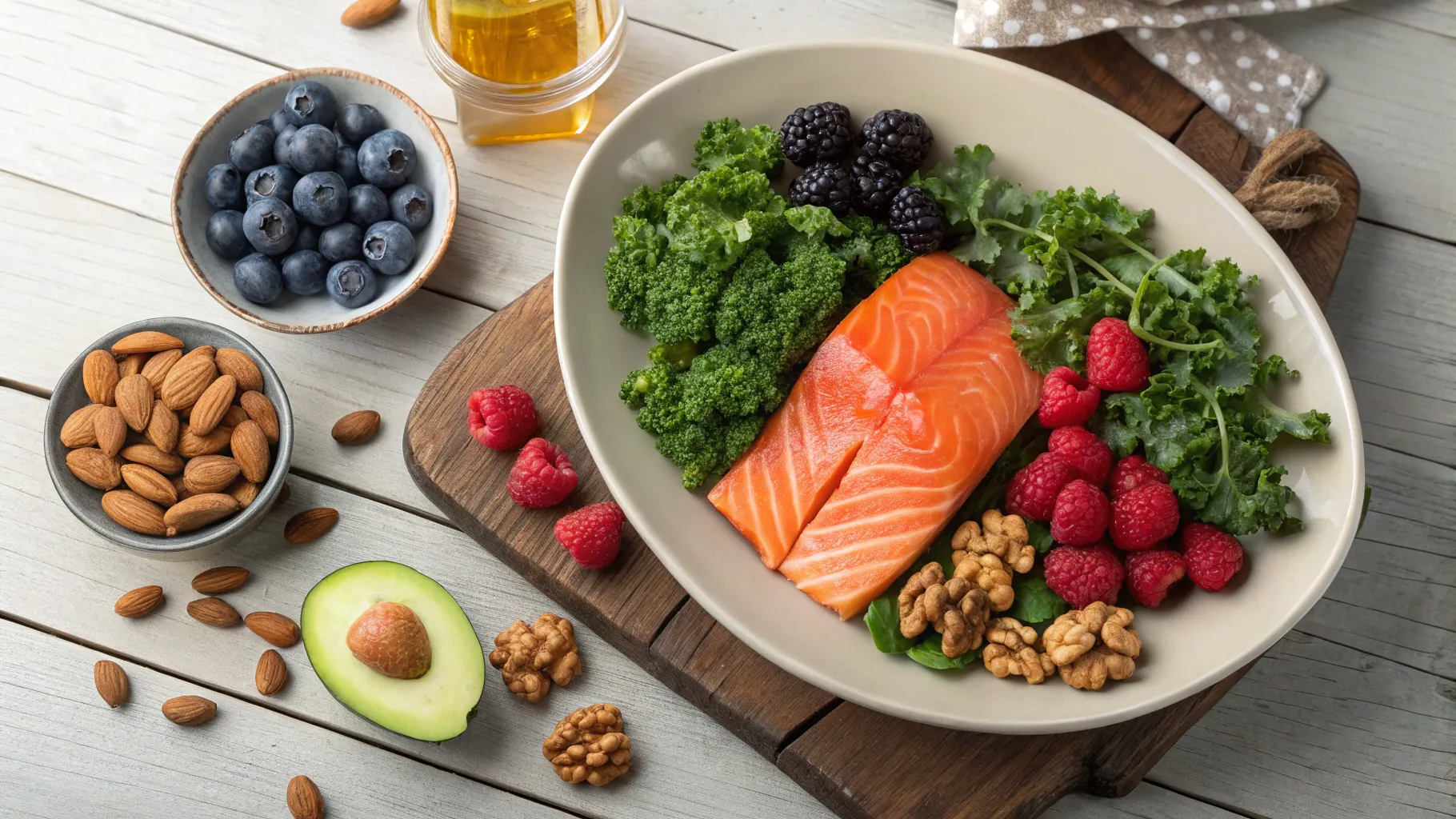
- Fatty Fish: Fish like salmon, mackerel, and sardines are rich in Omega-3 fatty acids, which have been shown to decrease inflammation. A study published in early 2025 reported that individuals consuming fatty fish at least twice a week experienced reduced joint pain, particularly those with rheumatoid arthritis.
- Leafy Greens: Vegetables such as spinach, kale, and broccoli are packed with antioxidants. These nutrients help combat oxidative stress, which can worsen arthritis symptoms. A systematic review conducted last year highlighted that people who include plenty of greens in their diets report experiencing less joint stiffness.
- Olive Oil: A staple of the Mediterranean diet, olive oil contains healthy fats and compounds similar to anti-inflammatory medications. Using extra virgin olive oil daily, whether in cooking or salads, can provide beneficial nutrients to help protect against joint pain.
- Nuts and Seeds: Almonds, walnuts, and flaxseeds are excellent sources of Omega-3 fatty acids and other nutrients known for their anti-inflammatory properties. A simple way to incorporate nuts into your diet is by adding a handful to your morning oatmeal or smoothie.
- Berries: Strawberries, blueberries, and blackberries are rich in antioxidants known as polyphenols. Recent research shows a strong correlation between increased berry consumption and decreased inflammation markers in individuals suffering from arthritis.
Incorporating Anti-Inflammatory Foods
Adding these beneficial foods to your arthritis diet doesn’t have to be overwhelming. Here are some practical tips to make the transition easier:
- Start your day with a smoothie made from berries and spinach; it's both tasty and nutritious.
- Opt for salmon or mackerel for dinner at least twice a week to boost Omega-3 intake.
- Use olive oil instead of regular cooking oils for frying and dressings, enhancing flavor while promoting health.
- Replace unhealthy snacks like chips with a handful of nuts for a nutritious pick-me-up.
Foods to Avoid on the Arthritis Diet
While there are numerous foods beneficial for managing arthritis symptoms, recognizing detrimental foods is equally important. Here are some foods you should limit or avoid:
- Processed Foods: Packaged snacks, fast food, and frozen meals often contain unhealthy trans fats that promote inflammation. These should definitely be avoided if you are looking to manage arthritis effectively.
- Sugary Drinks: Sodas, energy drinks, and other high-sugar beverages can lead to increased inflammation and should be limited or eliminated from your diet altogether.
- Refined Carbohydrates: Foods made from white flour, such as white bread and pastries, can spike blood sugar levels and worsen arthritis symptoms. Opting for whole grains instead can provide better health benefits.
- Red and Processed Meats: Studies indicate that high consumption of red and processed meats may aggravate arthritis flare-ups. Choosing lean proteins like chicken or plant-based options can be a much healthier choice.
- Excessive Alcohol: While moderate consumption may not cause harm, excessive alcohol intake can lead to increased inflammation and should be managed carefully.
Recognizing Your Food Triggers
Understanding your unique food triggers is crucial for effective arthritis management. Everyone's body reacts differently to various foods, which means keeping a food diary can be immensely helpful. Documenting what you eat and noting your symptoms can help you discover patterns that identify personal triggers. If you find certain foods consistently worsen your symptoms, it's advisable to minimize or eliminate them from your diet.
Empowering Yourself with Dietary Choices
Making informed decisions about your diet is truly empowering. In recent statistics released in late 2024, about 60% of individuals living with arthritis report a noticeable improvement in their symptoms after adopting significant dietary changes. Nutritional education programs are becoming more common in healthcare settings, encouraging individuals to take control of their health through their food choices.
Your journey with arthritis shouldn’t hold you back from enjoying life. By seeking out delicious and nutritious options while avoiding known triggers, you’re in a position to make substantial changes in how you feel day-to-day. Whether experimenting with new recipes or integrating more whole foods into your meals, remember that small changes can lead to significant impacts on living well with arthritis.
While dietary modifications may feel daunting at first, the right approach can turn your arthritis diet into a pathway toward better health. Anti-inflammatory foods not only alleviate pain but also enhance your overall well-being. Anyone can experience the benefits of a thoughtful diet; it just requires a bit of creativity and commitment. Keep pushing forward, and don’t hesitate to seek support if you need help along the way. Your body deserves it, and so do you. Together, we can tackle arthritis, one meal at a time.