Effective Ways to Fade Dark Spots Naturally
Hyperpigmentation, which appears as dark spots or patches on the skin, is a concern for many people seeking a more even complexion. These spots occur when excess melanin, the pigment that gives skin its color, forms deposits in the skin. While there are many treatments available, a growing number of people are looking for natural approaches to gently and effectively fade discoloration. Understanding the causes and exploring natural solutions can empower you to create a skincare routine that supports brighter, healthier-looking skin over time.
Understanding What Causes Dark Spots
Before addressing dark spots, it helps to know where they come from. The most common cause is sun exposure. Ultraviolet (UV) rays trigger the production of melanin as a protective mechanism, and years of exposure can lead to concentrated deposits, often called sun spots or age spots. Another primary cause is post-inflammatory hyperpigmentation (PIH), which is the discoloration left behind after an injury to the skin, such as acne, eczema, or a cut.
Hormonal changes can also play a significant role. Conditions like melasma are often triggered by fluctuations in hormones, such as those that occur during pregnancy or from using certain medications. Regardless of the cause, the underlying mechanism is an overproduction of melanin in a specific area. A consistent and gentle approach is key to fading these spots without causing further irritation.
The Critical Role of Sun Protection
Perhaps the most important step in any routine aimed at fading dark spots is diligent sun protection. Without it, any progress made can be quickly undone. UV exposure not only creates new spots but also makes existing ones darker. Applying a broad-spectrum sunscreen with an SPF of 30 or higher every single day, even when it's cloudy or you're indoors, is non-negotiable.
Sunscreen acts as a shield, preventing the UV rays from stimulating your pigment-producing cells. This gives your skin a chance to heal and allows other brightening treatments to work more effectively. For those with sensitive or acne-prone skin, mineral sunscreens containing zinc oxide or titanium dioxide can be a gentle yet effective option. Reapplication every two hours when outdoors is also crucial for maintaining protection.
Key Natural Ingredients for Skin Brightening
Many botanical extracts and naturally derived ingredients are known for their ability to help even out skin tone. When looking for skincare products, or even considering simple topical applications, these are some ingredients to look for. They work in various ways, from inhibiting melanin production to providing antioxidant protection.
- Vitamin C: A powerful antioxidant, Vitamin C (often listed as L-ascorbic acid or similar) helps protect the skin from free radicals and can inhibit the enzyme responsible for melanin production, leading to a brighter appearance.
- Licorice Root Extract: This plant extract contains a compound called glabridin, which has been shown to have skin-lightening properties by dispersing melanin and inhibiting the enzyme that produces it.
- Azelaic Acid: Naturally found in grains like barley, wheat, and rye, azelaic acid is known for its ability to reduce inflammation and gently exfoliate. It is particularly effective for post-inflammatory hyperpigmentation.
- Niacinamide: A form of vitamin B3, niacinamide helps reduce the transfer of pigment within skin cells, which can visibly lessen the appearance of dark spots over time.
Gentle Exfoliation to Accelerate Fading
Exfoliation helps to speed up the skin's natural renewal process, sloughing away the dead, discolored skin cells on the surface to reveal the newer, more evenly pigmented cells underneath. However, it's essential to be gentle, as harsh scrubbing can cause irritation and potentially worsen hyperpigmentation. Gentle methods are always the best approach.
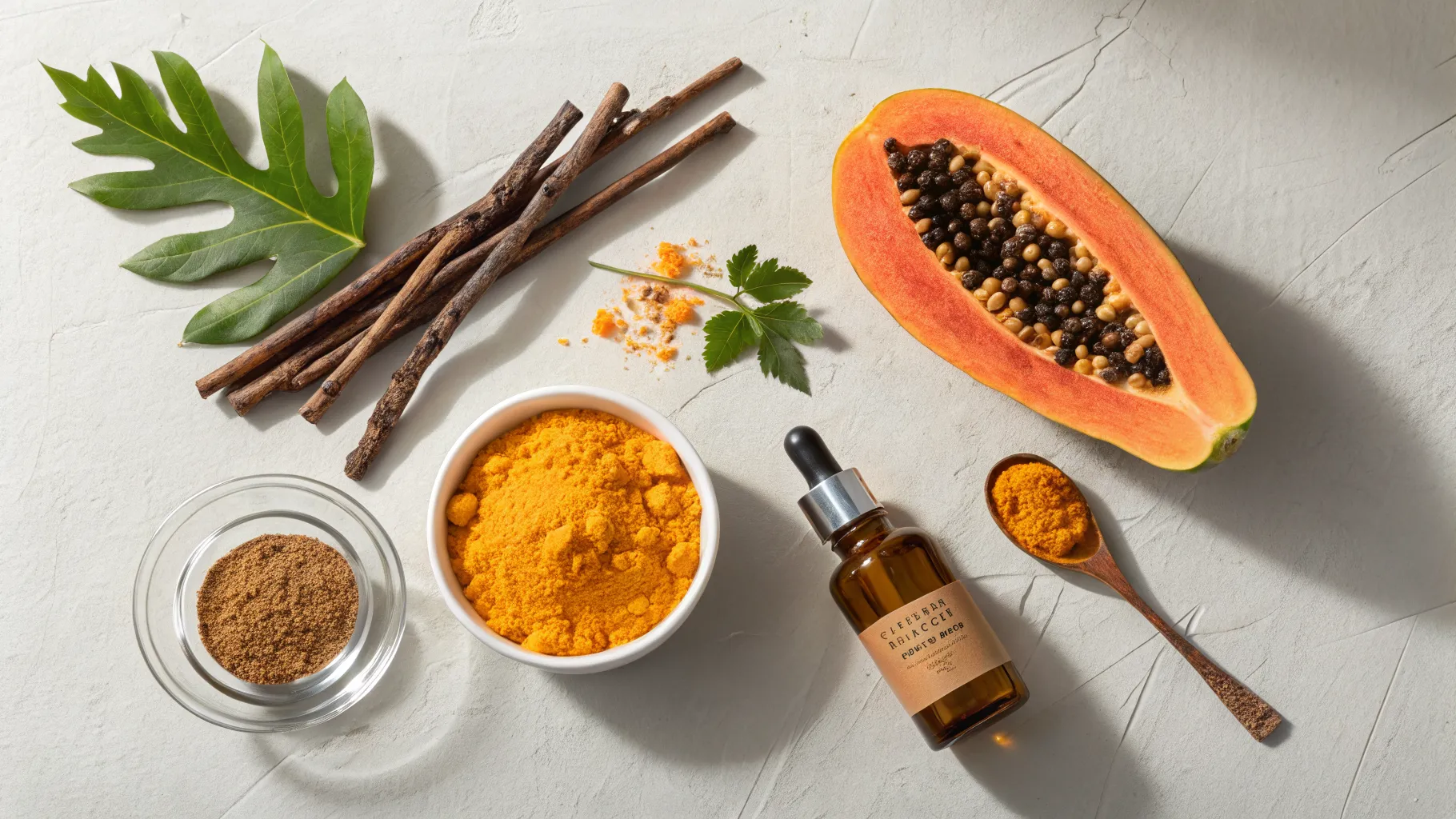
Alpha-hydroxy acids (AHAs) are a great option for chemical exfoliation. Glycolic acid (from sugar cane) and lactic acid (from milk) are two popular AHAs that work by dissolving the bonds holding dead cells to the skin's surface. For a milder approach, enzymes from fruits like papaya (papain) and pineapple (bromelain) can also provide gentle exfoliation. It is best to start slowly, exfoliating just one or two times a week to see how your skin tolerates it.
DIY Treatments and Home Remedies
For those who enjoy a hands-on approach, several home remedies may offer mild brightening benefits. Aloe vera, for instance, contains a compound called aloesin which may help inhibit melanin production. Applying pure aloe vera gel to affected areas can be soothing and potentially helpful for discoloration. Similarly, green tea extract is rich in antioxidants and has been studied for its depigmenting effects.
A paste made from turmeric powder and a small amount of yogurt or honey can also be used as a face mask. Turmeric contains curcumin, which has antioxidant and anti-inflammatory properties that may help with overall skin tone. It is critically important to perform a patch test on a small area of skin before applying any new DIY treatment to your face to ensure you do not have an adverse reaction or sensitivity.
The Importance of Patience and Consistency
Fading dark spots naturally is not an overnight process. It requires a long-term commitment and a great deal of patience. Whether you are using store-bought products with natural ingredients or simple home remedies, consistency is the most important factor. It can take anywhere from a few months to a year of consistent application to see significant improvement.
In addition to your skincare routine, certain lifestyle factors can support your skin's health. Eating a diet rich in antioxidants from fruits and vegetables, staying well-hydrated, and managing stress can all contribute to healthier skin. By combining a protective and nourishing skincare routine with healthy habits, you create the best possible environment for your skin to repair itself and achieve a more balanced, even tone.