Effective Treatments for Spinal Stenosis Pain Relief
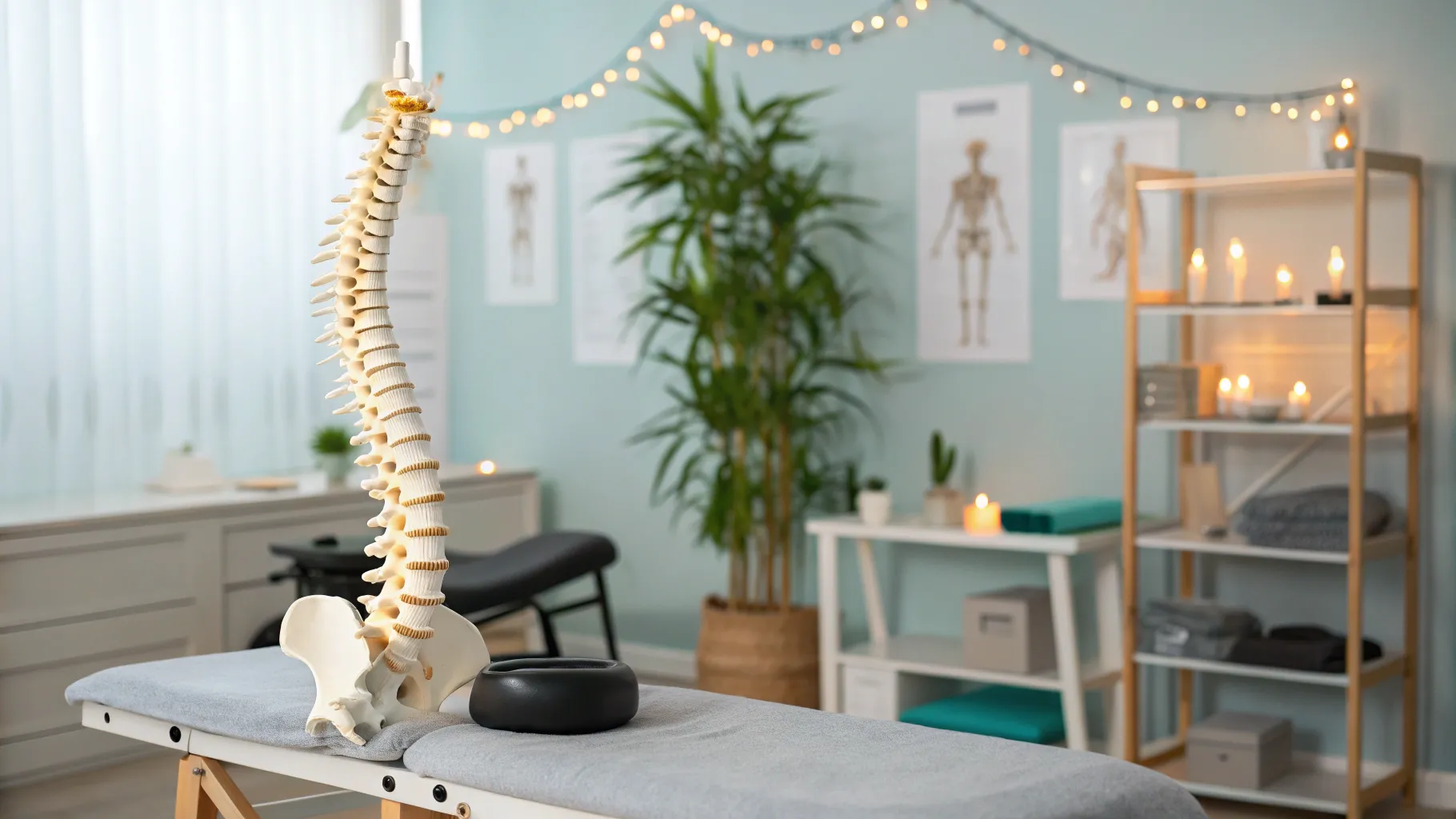
Understanding Treatments for Spinal Stenosis
Spinal stenosis is a condition characterized by the narrowing of the spinal canal, which can lead to significant discomfort and a decline in mobility. In 2025, an estimated 30% of adults over 50 experience varying degrees of spinal stenosis, primarily due to age-related changes in the spine, herniated discs, or an injury. Understanding treatments for spinal stenosis is essential for those suffering from this ailment to manage its symptoms effectively.
Causes of Spinal Stenosis
Before diving into treatment options, it’s vital to understand the underlying causes of spinal stenosis. In many cases, the condition arises from:
- Degenerative Disc Disease: As discs age, they can lose fluid and elasticity, leading to a narrowing of the space within the spine.
- Arthritis: Osteoarthritis can result in the formation of bone spurs that encroach upon the spinal canal.
- Herniated Discs: Discs may bulge out of place and press against the spinal canal.
- Injuries: Accidents can cause vertebrae fractures, contributing to narrowing.
- Congenital Conditions: Some individuals are born with a naturally narrow spinal canal.
Being aware of these causes can help patients understand their treatment route, making informed decisions about their health.
Treatments for Spinal Stenosis
Treatment for spinal stenosis focuses on alleviating pain, enhancing mobility, and improving quality of life. The approach typically depends on the severity of symptoms and patient-specific factors.
Non-Surgical Options
For many individuals, non-surgical treatments form the cornerstone of spinal stenosis management. These options include:
- Physical Therapy: Tailored exercises can strengthen spinal muscles and improve flexibility. A physical therapist may focus on core strength, balance, and overall spinal health. Many patients report noticeable improvements within a few months of therapy.
- Medications: Non-steroidal anti-inflammatory drugs (NSAIDs) like ibuprofen or naproxen can significantly relieve pain and inflammation. Additionally, corticosteroid injections offer temporary relief by reducing swelling around nerves.
- Activity Modification: Patients are often advised to avoid activities that twist the spine or put excessive pressure on it. This preventive measure can lead to a marked decrease in pain episodes.
- Assistive Devices: Walkers or canes can help patients with balance and mobility, allowing them to maintain an active lifestyle despite discomfort.
Surgical Treatments
When non-surgical options fail to provide relief, surgical treatments may be recommended. The decision to proceed with surgery often depends on factors like the patient's overall health, the severity of symptoms, and the specific anatomical issues presented by their stenosis. Common surgical procedures include:
- Laminectomy: This is one of the most common surgical treatments for spinal stenosis. It involves removing the lamina, or back part of the vertebra, to create more space for the spinal cord and nerves.
- Spinal Fusion: This procedure may be performed if instability in the spine contributes to stenosis. It involves joining two or more vertebrae together, ultimately providing increased stability.
- Foraminotomy: This surgery expands the space where nerve roots exit the spine, providing relief from pinched nerves.
The Role of Advanced Therapies
In 2025, advanced therapies and treatments also play a crucial role in managing spinal stenosis. Innovations like:
- Regenerative Medicine: Techniques such as stem cell therapy are being explored for their potential to repair damaged tissues in the spine.
- Minimally Invasive Surgery: As technology progresses, more surgeons are opting for minimally invasive techniques, which promote faster recovery times and reduced risks associated with traditional surgery.
- Telehealth Consultations: With the ongoing development in healthcare, virtual appointments have made it easier for patients to receive expert opinions and care from the comfort of their homes.
The rise of these therapies is reshaping the landscape of spinal stenosis management and offering hope to many who previously felt limited by their condition.
Strategies for Long-term Management
Beyond immediate treatments, long-term management strategies are vital for individuals experiencing spinal stenosis. Experts suggest:
- Regular Exercise: Low-impact activities like swimming or cycling can help maintain spinal health without adding undue stress.
- Nutrition: A balanced diet that supports bone health can reduce inflammation and support a healthy weight, thereby alleviating stress on the spine.
- Mind-Body Techniques: Practices like yoga and meditation can improve pain management by promoting relaxation and stress reduction.
Patients who adopt these strategies often report a significant improvement in their overall quality of life. Research indicates that those who engage in regular moderate exercise exhibit fewer symptoms and improved mobility levels.
Real-World Impact
Many individuals have shared their success stories regarding managing spinal stenosis with the above treatments. For instance, John, a 57-year-old carpenter, experienced debilitating pain due to spinal stenosis. After consulting with healthcare professionals, he embarked on a journey of physical therapy coupled with steroid injections. Within months, he was back to his trade, showcasing how effective non-surgical methods can be. His experience reflects a larger trend seen across medical professionals who advocate for conservative treatment as a first step.
A thorough understanding of treatments for spinal stenosis equips patients with knowledge to make informed choices about their health. By considering non-surgical methods before surgery, embracing long-term management strategies, and exploring advanced therapies, individuals can optimize their treatment experience and enhance their quality of life.