Effective Treatments for Leaky Heart Valve Explained
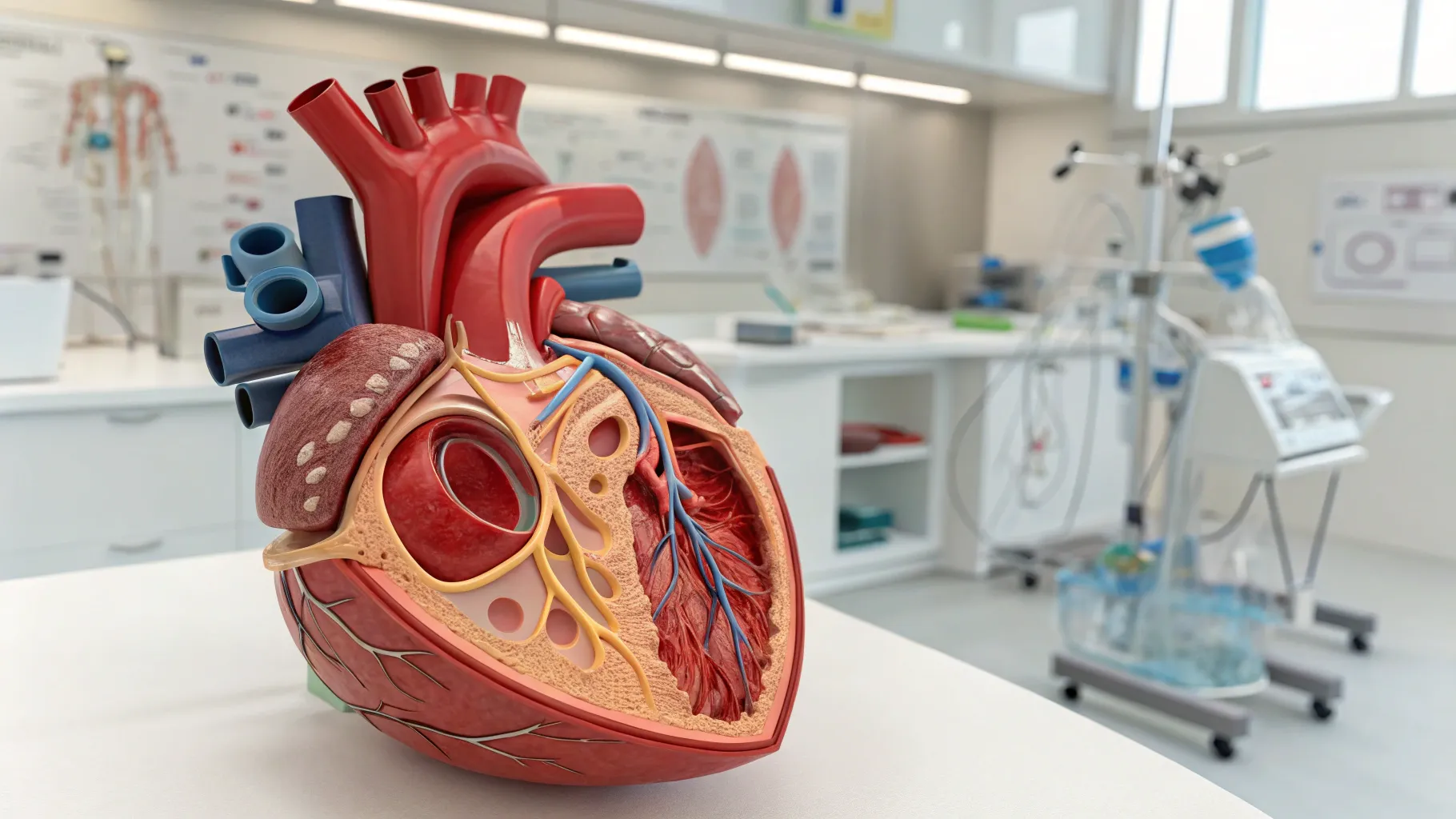
Treatment for Leaky Heart Valve Understanding the Basics
A leaky heart valve, scientifically referred to as valve regurgitation, is a significant cardiovascular condition affecting millions. In 2025, it is estimated that over 2.5 million Americans are managing some form of heart valve disease, with many experiencing the often-silent yet damaging impact of valvular leaks. A leaky valve does not close correctly, allowing blood to flow backward into the heart. If left untreated, this can lead to severe complications, including heart enlargement, heart failure, and potentially dangerous arrhythmias. The growing emphasis on early detection and treatment is crucial, as it not only empowers patients but also enhances their overall quality of life.
This article delves into the current understanding of treatments for a leaky heart valve, emphasizing the importance of awareness, timely diagnosis, and effective management strategies for those affected.
Common Symptoms and Diagnosis
Initially, many individuals with leaky heart valves may not exhibit any symptoms, which is one reason why regular check-ups are key. However, as the condition progresses, symptoms can become more pronounced, leading to a variety of complications. Patients often report experiencing:
- Shortness of breath: This is particularly noticeable during physical activity, such as climbing stairs or exercising.
- Fatigue: Many individuals feel a general sense of tiredness or weakness that interrupts their daily routines.
- Palpitations: Some notice irregular heartbeats or a feeling of pounding in their chest.
- Swelling: Fluid retention might occur, leading to noticeable swelling in legs, ankles, or even the abdomen.
- Dizziness or fainting: These alarming symptoms highlight more profound complications that require immediate medical attention.
Diagnosing a leaky heart valve typically begins with a healthcare provider conducting a physical examination and a thorough patient history. A stethoscope is often used to listen for murmurs or other abnormal sounds that can indicate valve issues. The echocardiogram has become the gold standard in diagnostic imaging, utilizing sound waves to create detailed images of heart structures and function. Thanks to recent advancements, echocardiograms can track the severity of valve regurgitation effectively and facilitate timely medical interventions.
Managing Heart Valve Conditions Treatment Options
Understanding the treatment landscape for a leaky heart valve is essential for all patients and their families. Currently, management approaches fall into two primary categories: medical management and surgical interventions.
Medical Management
For many patients, especially those in the early stages or those experiencing mild symptoms, doctors often recommend a conservative approach to managing their leaky heart valve. This strategy may include a combination of:
- Medications: Various medications can mitigate symptoms and prevent further complications. Commonly prescribed drugs include diuretics that help manage fluid retention, beta-blockers that control heart rhythm and blood pressure, and anticoagulants that minimize the risk of blood clots.
- Regular Monitoring: It is critical to maintain consistent follow-ups, where physicians will monitor changes in symptoms and perform echocardiograms to gauge valve function over time. This proactive approach allows adjustments to treatment plans as necessary, facilitating better outcomes.
Recent studies show that patients on this conservative management plan can enjoy a relatively good quality of life while being carefully monitored. Open communication with healthcare providers about any changes or new symptoms is essential in ensuring optimal care is provided.
Surgical Interventions
In cases where heart valve regurgitation is significant or symptoms are severe, surgical intervention may become necessary. Here are the primary surgical options currently available:
- Valve Repair: Whenever possible, physicians prefer valve repair over replacement, particularly in cases involving mitral and tricuspid valves. This method preserves the natural anatomy of the heart and often leads to improved long-term outcomes. Advances in minimally invasive techniques have also reduced recovery times significantly, allowing patients to return to their normal lives more quickly.
- Valve Replacement: If repair is not viable, valve replacement becomes necessary. Options typically include mechanical valves, known for their durability, but requiring a lifetime of anticoagulation therapy, and bioprosthetic valves, which are less durable (lasting around 10-15 years) but usually do not require blood thinners.
With surgical technology advancing, patients today have access to better techniques and recovery protocols than ever before, highlighting the importance of discussing all available options with their healthcare team.
Prioritizing Cardiovascular Health and Lifestyle Modifications
In conjunction with medical treatment, maintaining cardiovascular health is vital in managing leaky heart valve conditions. A commitment to adopting a heart-healthy lifestyle can significantly bolster overall heart function. Patients are encouraged to embrace:
- A balanced diet: This means abundant fruits, vegetables, whole grains, and lean proteins while limiting excessive salt and saturated fat intake. A well-rounded diet can have profound effects on heart health.
- Regular physical activity: Engaging in moderate exercise enhances blood circulation, supports heart health, and improves overall stamina.
- Stress reduction techniques: Implementing practices such as yoga, meditation, or even simple breathing exercises can yield positive benefits for heart health.
Furthermore, proactive health check-ups help identify early signs of deterioration, ensuring issues can be addressed before they become critical. As methods in heart valve treatment continue to evolve, staying informed about new therapies, techniques, and advancements is crucial. Patients should actively engage with healthcare providers, ensuring they are aware of their options and can make informed decisions about their care.
Educating oneself and others about heart valve disorders fosters a caring community that supports individuals on their health journey. Whether you are personally affected by a leaky heart valve or care for someone who is, knowledge and awareness of treatment options can lead to improved outcomes and a much brighter quality of life. The road to managing heart valve issues is built on understanding, prevention, and a commitment to maintaining overall health.