Effective Sleep Tips for Older Adults to Enhance Health
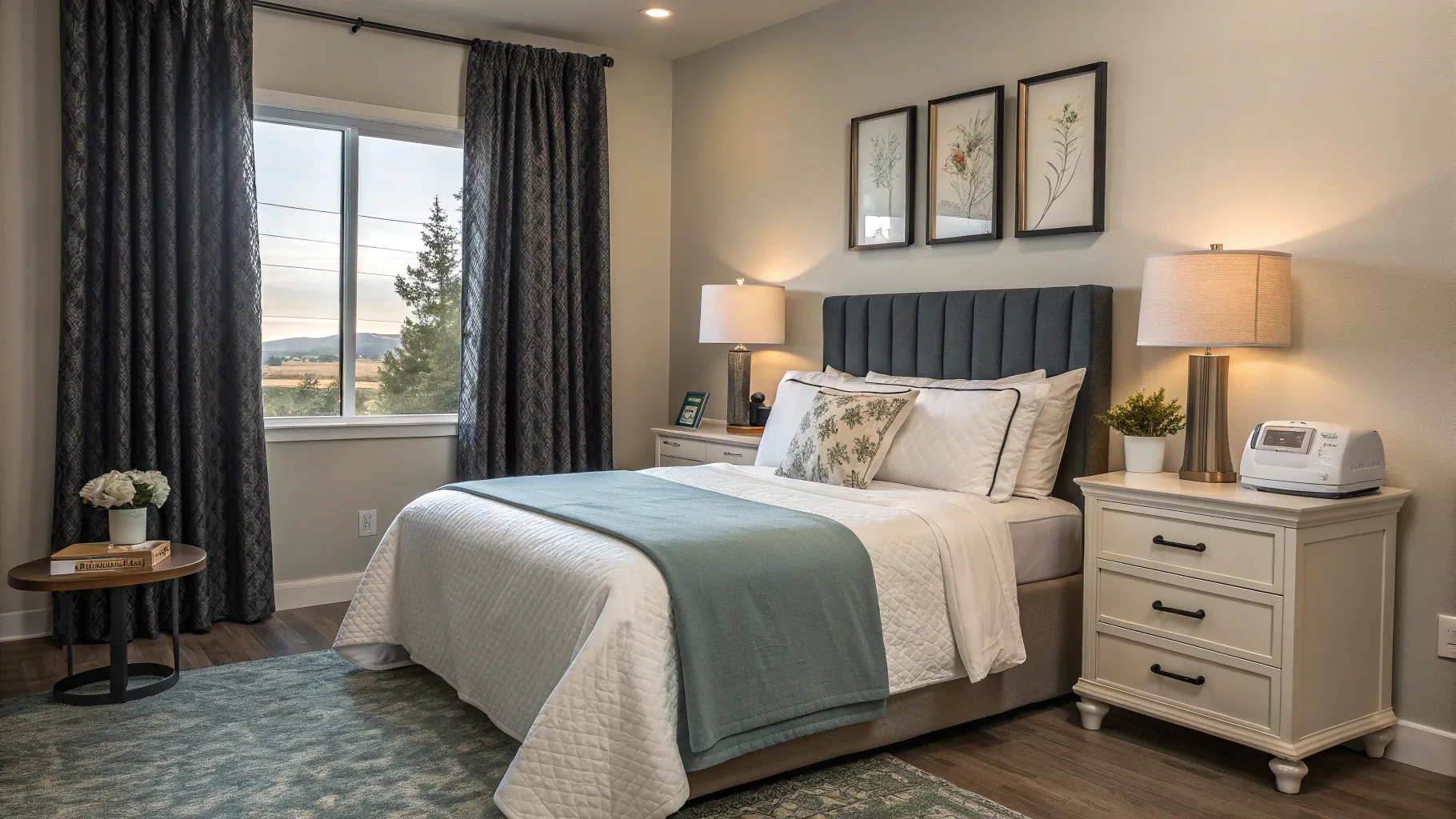
Sleep Tips for Older Adults
Quality sleep is crucial at every stage of life, but for older adults, the significance of restful sleep cannot be overstated. Many seniors face unique challenges that disrupt their sleep patterns, impacting their overall health and quality of life. This article explores effective sleep tips specifically designed for older adults, providing insights into establishing better sleep routines, creating an optimal sleep environment, and addressing common sleep challenges.
Understanding Healthy Sleep Routines in Seniors
As we grow older, our sleep patterns can undergo significant changes. Current studies report that nearly 50% of adults aged 65 and above struggle with some form of sleep disorder. Various factors contribute to these sleep disturbances, including medical conditions, medication side effects, and lifestyle adjustments. Here are essential sleep tips that can help seniors create healthier sleep routines:
- Establish a Consistent Sleep Schedule: Going to bed and waking up at the same time daily helps to regulate the body's internal clock. Aim for approximately 7 to 9 hours of sleep each night to support overall health.
- Limit Daytime Naps: While brief, refreshing naps are fine, lengthy napping during the day can lead to trouble sleeping at night. If a nap is needed, try to keep it under 30 minutes.
- Create a Relaxing Pre-Sleep Routine: Engage in calming activities such as reading, practicing meditation, or doing gentle stretches before bedtime. These practices signal to the body that it’s time to unwind.
- Avoid Electronics Before Bed: It’s advisable to limit screen time for at least an hour before bedtime. The blue light emitted by electronic devices can hinder melatonin production, disrupting sleep cycles.
Identifying Common Sleep Challenges Faced by Older Adults
Even with a good sleep routine, many seniors experience sleep issues. Common sleep challenges include:
- Insomnia: This issue affects a markedly higher percentage of older adults, often driven by factors such as anxiety, stress, or various medications.
- Sleep Apnea: This serious condition, which involves interrupted breathing during sleep, is estimated to impact about 30% of older adults, potentially resulting in excessive daytime fatigue and increased cardiovascular risks.
- Nocturia: Frequent trips to the bathroom at night can significantly disrupt sleep. This condition can arise from both aging and health issues like diabetes.
- Restless Legs Syndrome: This uncomfortable sensation in the legs, often keeping seniors awake at night, may require consultation with a healthcare provider for proper management.
Understanding these challenges is the first step toward finding suitable resolutions. For example, individuals dealing with sleep apnea may benefit significantly from a CPAP (Continuous Positive Airway Pressure) machine, while others may need to evaluate their medication regimen with their doctor.
Educational Insights into Better Sleep Habits for Seniors
Education is pivotal for helping older adults manage their sleep issues effectively. Several community programs are currently available that focus on health and wellness, including vital strategies for improved sleep hygiene. Some practical guidelines include:
- Consult a Healthcare Professional: Regular doctor visits can help identify any underlying conditions influencing sleep patterns. Open discussions regarding sleep habits can lead to valuable insights and treatment options.
- Implement Excellent Sleep Hygiene: Keeping the bedroom dark, quiet, and cool is essential. Ensure that the bed is used solely for sleep and intimacy, which reinforces its association with resting.
- Stay Physically Active: Regular physical activity is linked to improved sleep quality. Aim for 30 minutes of moderate exercise on most days, but avoid strenuous workouts close to bedtime.
- Be Mindful of Dietary Choices: Large meals, caffeine, and alcohol should ideally be avoided several hours before sleep. Consider incorporating sleep-promoting foods, such as bananas or almonds, into your diet.
Creating a Supportive Sleep Environment for Older Adults
Fostering a conducive sleep environment is essential for quality rest. Here are several effective strategies to enhance the sleep environment:
- Optimize Lighting: Utilize blackout curtains to block external light. Soft night lights can guide nighttime movements without disrupting sleep.
- Ensure Comfortable Bedding: Invest in a quality mattress and supportive pillows. Comfort can significantly influence sleep quality, allowing for deeper and more restorative rest.
- Control Room Temperature: Ideally, maintain your bedroom temperature between 60°F and 67°F. This range typically facilitates better sleep.
- Reduce Noise Disruptions: If outside noises are unavoidable, consider using earplugs or white noise machines to create a peaceful atmosphere conducive to sleep.
Additionally, incorporating mindfulness methods such as deep breathing exercises, progressive muscle relaxation, or even gentle yoga can effectively calm the mind, preparing you for sleep.
In this ever-evolving age of health awareness in 2025, we understand the critical value of quality sleep for physical and mental well-being. Empowering seniors with the knowledge and tools necessary to improve their sleep hygiene is essential for elevating their overall health and enhancing their quality of life. By actively implementing these practical sleep tips tailored to older adults, we can foster significant improvements in sleep quality, leading to better overall health outcomes and a more vibrant life experience.