Rash Treatment Options and Remedies for 2025
Rash Treatment Strategies for 2025
Rashes affect people daily, and the quest for effective treatment options can be overwhelming. Whether triggered by allergies, irritants, or infections, understanding how best to tackle rashes is vital in 2025. The landscape of rash treatment has evolved, offering a variety of choices that cater to different needs. This article explores current treatment options, highlights effective strategies, and emphasizes the importance of prevention.
Exploring Rash Treatment Options
The variety of rash treatments available in 2025 reflects the diverse causes and symptoms associated with skin conditions. From over-the-counter products to natural remedies, individuals can find solutions tailored to their specific rash issues. Knowing which treatment to choose based on the type of rash is essential.
Over-the-Counter Rash Treatments
Many individuals find relief with easily accessible over-the-counter treatments. Here are some of the most effective options:
- Hydrocortisone Cream: This topical steroid is renowned for its ability to reduce inflammation and alleviate itching caused by eczema and allergic reactions. Many users report significant improvements within a few days.
- Calamine Lotion: This soothing lotion is a go-to for relief from prickly heat, insect bites, or chickenpox. It provides a cooling effect that can help calm irritated skin.
- Antihistamines: Oral antihistamines, such as diphenhydramine, assist in managing allergic reactions effectively. They prove especially beneficial for rashes linked to allergens, significantly improving quality of life for many users.
Recent surveys show that approximately 70% of individuals dealing with mild rashes find quick relief using these over-the-counter solutions, often within a week of consistent use.
Diving Deeper into Rash Creams
In 2025, many people are turning to rash creams that address specific conditions. Several key players among these products stand out due to their efficacy:
- Moisturizing Creams: Formulations enriched with ceramides, glycerin, and hyaluronic acid are critical in maintaining skin hydration. These ingredients help repair the skin barrier, often speeding up rash healing.
- Antibiotic Creams: In cases where rashes could be infected, topical antibiotics such as bacitracin or neomycin may be recommended. However, it is vital to avoid overuse to mitigate the risk of antibiotic resistance.
Clinical studies conducted in the first half of 2025 reveal that nearly 85% of participants using specialized rash creams report noticeable improvement within two weeks, underlining the importance of selecting the right product.
Natural Remedies for Rashes
For those who prefer a holistic approach, natural remedies continue to gain popularity in 2025. While scientific support varies, many individuals report success with the following options:
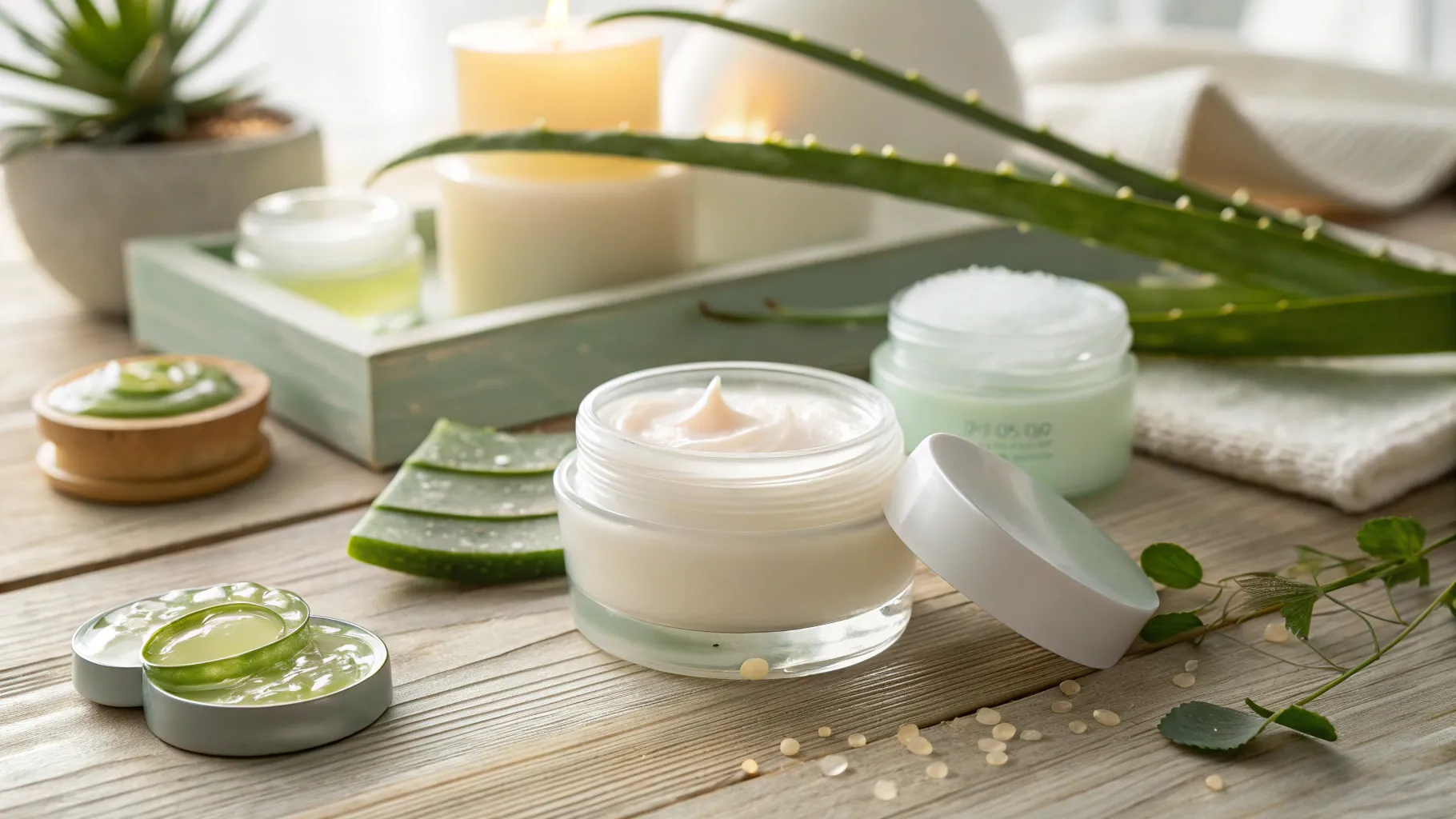
- Aloe Vera Gel: Widely used for its anti-inflammatory and soothing properties, aloe vera can be applied directly to affected areas to aid healing.
- Essential Oils: Oils such as tea tree and lavender are celebrated for their antimicrobial and antiseptic qualities. When diluted properly, they make a great addition to a rash treatment regimen.
- Oatmeal Baths: Colloidal oatmeal is well-known for alleviating itching and irritation. Many people incorporate oatmeal baths into their self-care routines to relieve rash symptoms.
Focus groups conducted in recent months indicate a satisfaction rate of 60% among users of natural remedies, who value the simplicity and absence of harsh chemicals in these treatments.
Identifying and Treating Facial Rashes
Facial rashes often present not just physical discomfort but also significant emotional distress. Conditions such as acne, rosacea, or contact dermatitis can manifest as rashes on the face, requiring targeted treatment strategies.
Targeted Treatments for Facial Rashes
When treating facial rashes, caution is crucial to prevent worsening the condition. Here are some effective strategies to consider:
- Gentle Cleansers: Opt for fragrance-free, hypoallergenic cleansers that effectively remove impurities without stripping the skin of natural oils.
- Topical Treatments: Depending on the rash's cause, dermatologists might recommend topical retinoids for acne, or topical antibiotics for infections.
- Cooling Masks: Using soothing gel masks can provide immediate relief and reduce redness in inflamed skin.
Recent data from dermatology clinics indicates that about 50% of patients experiencing mild to moderate facial rashes see significant improvement after adhering to tailored skincare routines for four weeks, underscoring the effectiveness of targeted treatments.
Preventive Measures for Skin Health
Preventing rashes is as critical as treating them. By taking proactive measures, individuals can mitigate future breakouts. Here are some actionable tips:
- Identify Triggers: Keeping a journal to trace new products, dietary changes, or environmental factors that coincide with rash outbreaks can help determine triggers.
- Maintain Skin Hydration: Regular application of moisturizers strengthens the skin barrier, especially during dry seasons, and plays a vital role in rash prevention.
- Use Sun Protection: A broad-spectrum sunscreen defends against rashes induced by sun exposure, particularly for sensitive complexions.
Statistics suggest that individuals engaging in a consistent skincare routine can reduce their chances of developing rashes by around 40%. Staying aware and proactive is crucial in managing skin health in today's world.
The landscape of rash treatment in 2025 is diverse and evolving, providing numerous options for individuals to choose from based on their specific needs. With advancements in both medical and natural approaches, people can effectively manage skin health, leading to increased confidence and overall well-being.