Understanding Natural Sleeping Aids and Sleep Remedies
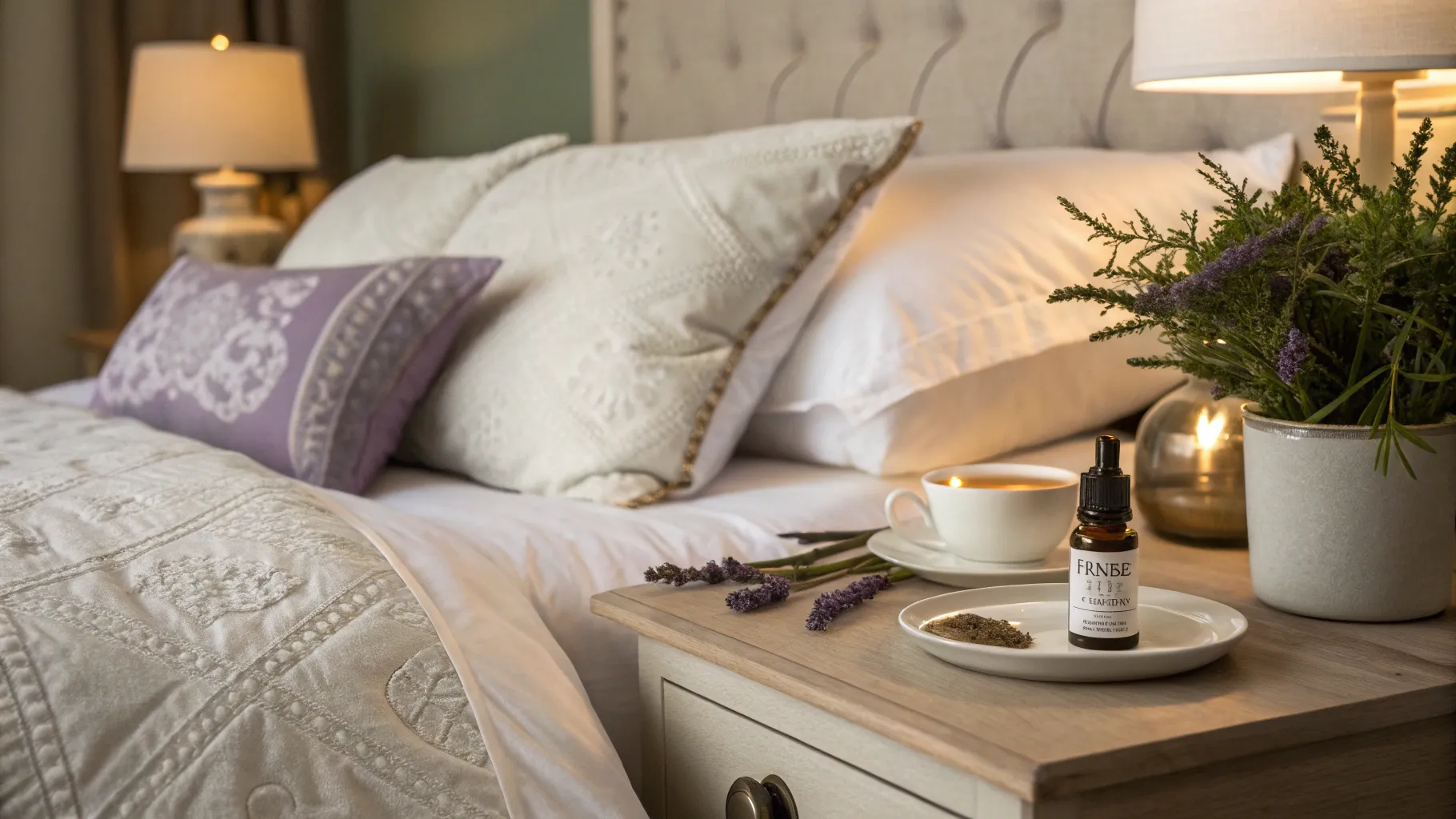
Understanding Sleeping Aids: What Are Your Options?
In our fast-paced world, many people find it increasingly difficult to get a good night's sleep. According to the National Sleep Foundation, about 70% of adults struggle with sleep issues at some point in their lives, making the demand for sleeping aids soar. In this article, we'll explore various sleeping aids available today, with a particular focus on natural sleep aids, sleep remedies for seniors, and the safety of sleeping pills.
Exploring Natural Sleep Aids
Natural sleep aids are becoming popular for their gentle approach to promoting sleep without the side effects commonly associated with pharmaceuticals. Many people turn to these remedies as they seek restful nights without dependency or adverse reactions. Here are some popular natural options that are trending in 2025:
- Melatonin: This hormone regulates the sleep-wake cycle. A study from last year indicated that melatonin supplements can help individuals fall asleep faster, particularly in those suffering from insomnia or jet lag.
- Chamomile tea: Often consumed before bedtime, chamomile has calming properties that may reduce anxiety and improve sleep quality. It’s considered one of the safest herbal remedies and has been used by various cultures for centuries.
- Valerian root: Known for its sedative qualities, valerian root has gained attention in clinical studies, showing promise in reducing the time it takes to fall asleep.
- Lavender: The soothing scent of lavender can greatly enhance sleep quality. Recent surveys show that 63% of people using lavender essential oil reported better sleep quality.
- Magnesium: This essential mineral is found to have a calming effect on the nervous system. An increase in dietary magnesium has been linked to improved sleep among older adults.
These natural sleeping aids not only promote relaxation but also carry fewer risks than traditional sleeping pills. However, it's essential to consult with a healthcare professional before starting any new supplement, especially for those who might be on medication.
Natural Sleeping Aids for Seniors
Senior citizens often face unique challenges when it comes to sleep. Changes in sleep patterns, health issues, and medications can contribute to insomnia. As a result, many seniors are seeking safer alternatives to prescription medications. Here are some effective natural sleeping aids specifically beneficial for older adults:
- Melatonin: While melatonin is effective across all age groups, studies indicate seniors may benefit significantly. Their natural melatonin levels tend to decrease with age, leading to sleep disorders.
- Mindfulness and meditation: Aiming for a peaceful mind before bedtime can drastically improve sleep quality. Recent studies show that seniors practicing mindfulness or guided meditation fall asleep faster and report feeling more rested.
- Herbal teas: Besides chamomile, other herbal teas like passionflower and lemon balm have shown promise in promoting relaxation and sleep among older individuals.
Incorporating these natural remedies into daily routines can enhance sleep quality for seniors without the side effects commonly associated with sleeping pills.
Are Sleeping Pills Safe?
The effectiveness of sleeping pills is a commonly debated topic. While they can provide quick relief from insomnia, the safety and long-term use of these medications raise red flags. Recent statistics indicate that over 9 million adults in the U.S. rely on prescription sleeping pills, which has led to increased discussions around addiction, dependency, and side effects.
Adverse effects may include:
- Next-day drowsiness
- Memory problems
- Increased risk of falls
- Complex sleep behaviors like sleepwalking
Furthermore, a study published in a medical journal earlier this year highlighted that regular users of benzodiazepine sleeping aids are at a higher risk for developing Alzheimer’s disease. These findings have prompted many to rethink their sleep strategies.
The necessity of consulting with a physician before taking sleeping pills can’t be overstated. They can help weigh the benefits against potential risks, particularly for older adults who may be at increased risk for complications.
Choosing the Right Sleep Aid for You
Ultimately, the choice of a sleeping aid should consider individual health needs, potential allergies or sensitivities, and lifestyle. Here are some guidelines on choosing the right sleep aid:
- Assess your symptoms: Determine whether your sleeping issues stem from anxiety, health problems, or lifestyle choices.
- Consult professionals: Speak to healthcare providers about your symptoms and whether a natural sleep aid or sleeping pill is more appropriate.
- Start small: If deciding to try sleeping aids, start with the lowest dose and see how your body responds.
In the end, better sleep hygiene, including establishing a regular sleep routine, limiting screen time before bed, and creating a comfortable sleep environment, can significantly improve sleep quality. Many are finding that simple changes coupled with natural sleep aids yield the best results.
It’s an exciting time in the world of sleep aids as more people discover the power of nature to support better rest. By making informed choices and leveraging safe sleep remedies, achieving restful nights is entirely possible for everyone, regardless of age.