Effective Nasal Polyps Treatment Options in 2025
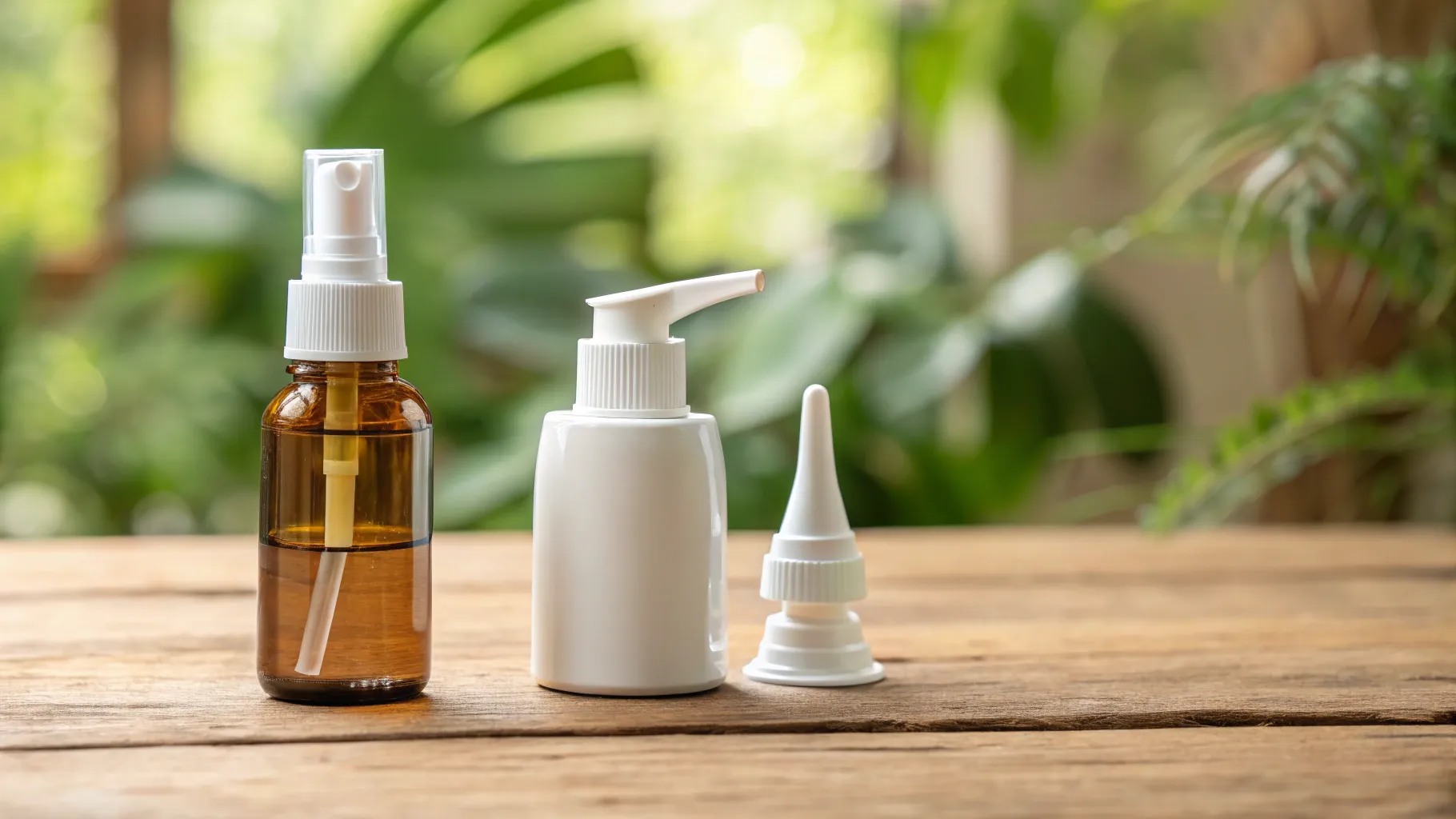
Nasal Polyps Treatment Understanding
Nasal polyps have emerged as a pressing health concern, characterized as soft, painless, non-cancerous growths that arise from the lining of the nasal canals or sinuses. These growths can lead to significant discomfort and health issues, including nasal obstruction, a diminished sense of smell, recurrent sinus infections, and facial pressure. It's essential to explore how treatments for nasal polyps have evolved and how patients can best manage their symptoms in the current landscape of 2025. Effective management now includes both medical and non-surgical options, tailored for enhanced patient comfort and general well-being.
Medical Treatments for Nasal Polyps
The cornerstone of medical treatments for nasal polyps continues to be corticosteroid nasal sprays. Medications like fluticasone and mometasone have become widely used due to their anti-inflammatory properties, which help reduce polyp size and alleviate symptoms efficiently. A groundbreaking study featured in the Journal of Allergy and Clinical Immunology in early 2025 reported that around 70% of patients experienced significant improvement in their symptoms within just four weeks of using these nasal steroid sprays. This statistic underscores their vital role in managing nasal polyps.
In cases of severe symptoms, healthcare providers may prescribe oral corticosteroids, but these are typically used cautiously due to potential side effects associated with long-term use. Current guidelines recommend that oral corticosteroids be combined with nasal sprays for maximum effectiveness, particularly for patients with persistent nasal polyps linked to asthma or severe allergies. This dual approach has proven particularly beneficial for those whose symptoms do not adequately respond to nasal sprays alone.
A significant advancement in treating nasal polyps has been the introduction of biologic medications targeting chronic rhinosinusitis with nasal polyps (CRSwNP). Innovative drugs like dupilumab and mepolizumab have transformed the treatment landscape by specifically targeting inflammatory pathways, resulting in substantial reductions in polyp size and a notable improvement in patients' quality of life. Data collected in early 2025 reveals that nearly 60% of individuals receiving these biologic treatments experienced remarkable alleviation of their polyp-related symptoms, heralding a new era in management options.
Non-Surgical Options for Nasal Polyps
For those seeking non-surgical options for nasal polyps, the array of available treatments has broadened substantially. Beyond corticosteroid therapies, a daily regimen of saline nasal irrigation has gained acceptance among individuals desiring a gentler, holistic approach. Using a neti pot or saline spray not only helps flush out allergens and irritants but also contributes to better sinus health. Saline irrigation has proved effective in reducing symptoms for many, emphasizing its role in everyday nasal care.
Incorporating dietary modifications has also been highlighted as an adjunct to conventional therapies. Research indicates that consuming omega-3 fatty acids, widely found in fish and flaxseeds, may serve as a natural anti-inflammatory agent. Additionally, herbal remedies such as turmeric and ginger have been traditionally utilized for their anti-inflammatory properties and are being explored further in contemporary contexts.
- The integration of a humidifier into personal living spaces can significantly enhance moisture levels in the nasal passages, critically reducing irritation.
- Effective allergy management remains paramount; identifying personal trigger factors and employing avoidance strategies—potentially in tandem with allergist interventions—can lead to substantial symptom relief.
Living with chronic nasal polyps necessitates a comprehensive management approach, emphasizing regular communication with healthcare professionals. Patients today benefit immensely from the rise of telemedicine, which facilitates easy and timely consultations with specialists for ongoing disease management.
Managing Chronic Nasal Polyps
Proactive patient education plays a crucial role in effective management, enabling individuals to recognize potential flare-ups and engage meaningfully in their treatment plans. Survey data suggests that patients who take an active role in their healthcare decisions report greater satisfaction and enhanced health outcomes, reinforcing the importance of a patient-centered approach.
Surgical Procedures for Nasal Polyps Removal
When medical management proves insufficient, surgical intervention may be warranted. Currently, endoscopic sinus surgery is considered the gold standard for the removal of more extensive or obstructive nasal polyps. This minimally invasive procedure allows ENT specialists to excise polyps while simultaneously addressing concurrent issues like deviated septums or chronic sinusitis, leading to a comprehensive treatment outcome.
The evolution of surgical techniques facilitated by advanced imaging and navigational technology has notably improved patient outcomes, reducing recovery times and enhancing overall surgical experiences. Statistics show that the post-operative success rate for preventing polyp recurrence exceeds 80%, particularly when patients adhere to ongoing medical therapies following surgery. These trends highlight the importance of comprehensive care...
In recent findings, patients who diligently follow their post-operative medication regimens, such as continued corticosteroid use, greatly diminish the risk of polyp recurrence. This correlation between continuous care and lasting success underscores the value of informed management strategies.
The approach to treating nasal polyps is undergoing remarkable advancements, blending medical, non-surgical, and surgical methodologies. With an expanded treatment arsenal available in 2025, patients now have better options than ever before for tackling nasal polyps. Strategies that emphasize informed patient engagement and tailored care not only address individual challenges but also enhance overall quality of life, paving the way for a comprehensive pathway to managing nasal polyps effectively.