Effective Nasal Polyps Treatment Options Near You
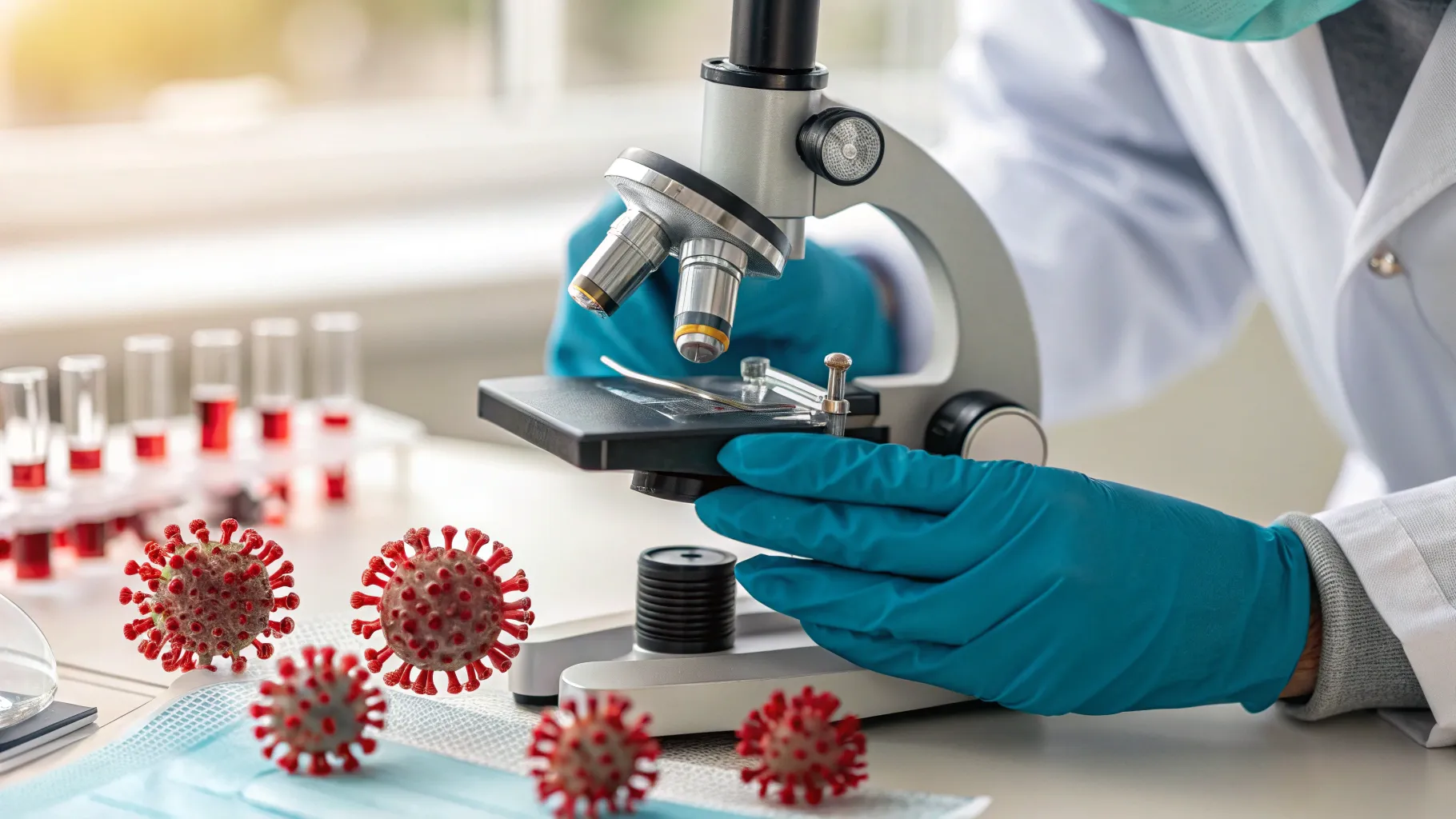
Nasal Polyps Treatment Near Me
Nasal polyps can be an uncomfortable and irritating condition, affecting both breathing and overall quality of life. For those wondering how to treat nasal polyps, there are various options available, starting from medication to surgery. If you’re seeking effective nasal polyps treatment near me, it’s essential to understand the nature of nasal polyps and how they can be successfully managed in everyday life.
Understanding Nasal Polyps
Nasal polyps are non-cancerous growths that develop in the nasal passages or sinuses, usually due to chronic inflammation. This inflammation can be triggered by conditions like asthma, allergies, or frequent infections. According to recent studies, nearly 4% of the population experiences nasal polyps, with a higher prevalence in individuals with asthma or allergic rhinitis.
Finding an ENT Specialist for Nasal Polyps
When searching for specialized care, finding a suitable ENT specialist for nasal polyps is crucial. An otolaryngologist (ENT) specializes in conditions related to the ear, nose, and throat, making them the right choice for managing nasal polyps. Typically, your journey begins with a comprehensive examination, during which your doctor might use nasal endoscopy to visualize the polyps. This examination leads to a personalized treatment plan suited to your specific needs.
Treatment Options Available
The treatment for nasal polyps varies based on the size of the polyps and how they affect your daily life. Here are some common and effective treatment options:
- Medications: Corticosteroids are usually the first line of defense. These powerful anti-inflammatory drugs can significantly reduce the size of polyps and relieve symptoms. They come in forms such as sprays, which allow for targeted application directly into the nasal passages.
- Biologics: A newer class of medications, biologics have shown promise for treating chronic rhinosinusitis with nasal polyps. Medications like dupilumab block specific pathways that lead to inflammation and polyp formation, paving the way for clearer breathing.
- Endoscopic Surgery: In cases where medication fails or polyps are large, surgery might be necessary. Endoscopic nasal polyp removal surgery is performed using minimally invasive techniques, through small instruments inserted into the nostrils. This method allows physicians to remove the polyps while preserving the surrounding tissue.
In fact, a recent survey indicated that around 30% of patients requiring polyp removal opted for surgical intervention after exhausting other treatment modalities. This illustrates the importance of early intervention and regular consultations with an ENT specialist.
Best Nasal Sprays for Polyps
Among the various medication options, nasal sprays have gained popularity for their ease of use and effectiveness. Here are some of the best nasal sprays making waves in the treatment of nasal polyps today:
- Fluticasone Propionate: Known for its potent anti-inflammatory properties, this steroid spray is often prescribed as the first treatment option for nasal polyps. Studies indicate that patients using fluticasone regularly saw a significant reduction in polyp size.
- Budesonide: Another corticosteroid option, budesonide nasal spray is effective in controlling nasal obstruction and reducing polyp size. Many patients report improved breathability within weeks of continued use.
- Mometasone Furoate: Similar to other corticosteroids, mometasone works by reducing inflammation. It can lead to improved symptoms and has become a go-to treatment for many allergy and asthma sufferers.
When selecting a nasal spray, consulting with your ENT specialist helps ensure you choose the most appropriate treatment for your specific case.
The Importance of Regular Monitoring
It is crucial to maintain regular follow-ups with your healthcare provider, especially after initiating a treatment plan for nasal polyps. Continuous care helps in adapting and modifying your treatment as necessary. Patients often find that nasal polyps can recur, usually due to the underlying issues that caused their formation in the first place. Research indicates that ongoing management reduces the likelihood of recurrences significantly through comprehensive care protocols.
Moreover, lifestyle changes can also contribute positively to the overall treatment of nasal polyps. For instance, implementing an allergen-free environment, using air purifiers, and engaging in other preventive measures can enhance the quality of life for many patients suffering from this ailment. Keeping track of symptoms and noticing patterns can help you and your doctor make informed decisions about your care.
Patient Experiences and Recent Developments
Numerous case studies and patient testimonials illustrate the medley of effective treatment modalities available. For instance, one patient reported a marked improvement in their quality of life after switching from oral steroids to a targeted biologic treatment. Similarly, many have shared their journey through the distinct phases of treatment, from initial diagnosis to finding long-term relief through new and innovative therapies.
The landscape of nasal polyp treatment is continually advancing. Innovations in therapy and personalized medicine are providing hope to those suffering from nasal polyps, making it essential for patients to stay informed and communicate openly with their healthcare providers. With the right approach, achieving a healthier and more comfortable life despite nasal polyps is entirely possible.