Understanding Hair Loss and Diet
Understanding the Hair Loss Diet
In today's world, hair loss is a common concern affecting both men and women. The reasons vary from genetics to hormonal changes, stress, and nutritional deficiencies. While it might seem overwhelming, there is hope in focusing on the right dietary choices. The Hair Loss Diet is emerging as a pivotal solution to support hair health through nutrition. This article dives into the foods to eat and foods to avoid, highlighting how this dietary approach can foster healthier hair.
Foods to Eat for Hair Health
When it comes to promoting hair growth and preventing hair loss, certain foods are scientifically proven to be beneficial. A diet that incorporates a variety of nutrient-rich foods can significantly enhance hair vitality. Here are some of the top food groups and items to consider including in your daily meals:
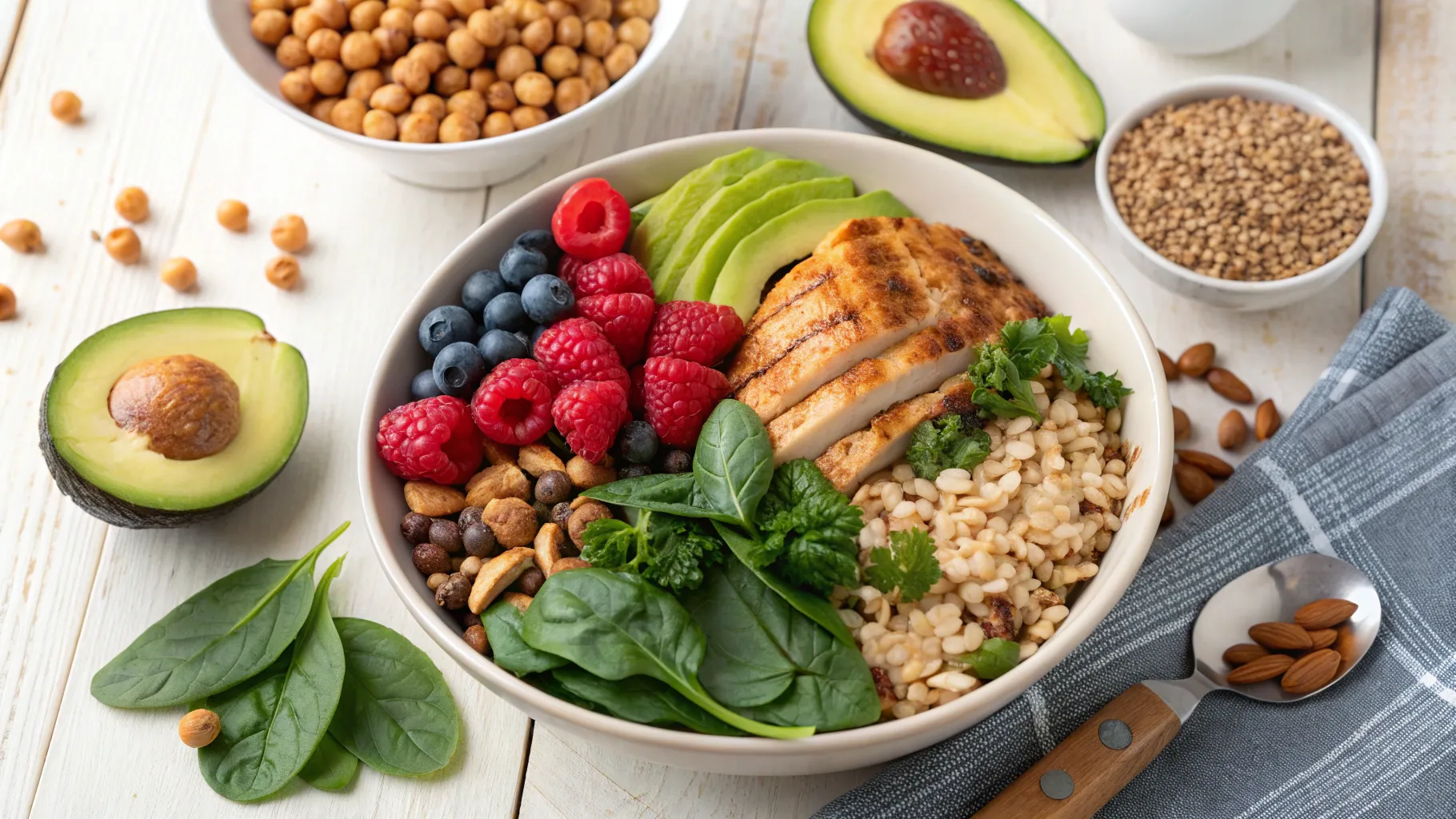
- Protein-Rich Foods: Hair is primarily made of protein, so it’s crucial to consume sufficient amounts. Eating lean meats, fish, beans, and legumes can provide the necessary building blocks for every hair strand. A study published in 2023 showed that women who consumed adequate protein reported a 30% increase in hair thickness over six months.
- Fruits and Vegetables: Rich in vitamins and antioxidants, fruits and vegetables play a vital role in hair health. Berries, especially strawberries and blueberries, are high in vitamin C, helping in collagen formation. Dark leafy greens like spinach and kale are abundant in iron and calcium, essential for hair growth.
- Healthy Fats: Incorporate sources of healthy fats into your diet, such as avocados, nuts, and seeds. These foods not only provide essential fatty acids but also help to lock in moisture for healthy hair. Omega-3 fatty acids found in fatty fish like salmon and walnuts are particularly nourishing.
- Whole Grains: Whole grains such as brown rice, quinoa, and oats are a rich source of B vitamins and zinc, both vital for hair health. A consistent intake of these grains has been linked to reduced hair loss and improved density.
- Hydration: Never underestimate the power of water! Keeping hydrated helps maintain optimal hair health, ensuring that hair follicles remain nourished and functioning properly.
Foods to Avoid that Can Worsen Hair Loss
While knowing what to eat is important, understanding what to avoid is just as crucial in the Hair Loss Diet. Certain foods can exacerbate hair loss or hinder growth due to their negative impact on overall health. Here’s a checklist of items to limit or eliminate from your diet:
- Refined Carbohydrates: Foods like white bread, pastries, and sugary snacks can lead to inflammation and insulin spikes, which may result in hair loss. Replacing these with whole grains is a smart choice.
- Excessive Sugar: Sugary beverages and snacks are linked to higher hair loss rates. Reducing sugar intake can lower inflammation and promote better hair health.
- Processed Foods: High in unhealthy fats and preservatives, processed foods can negatively affect hormone balance, which is essential for hair growth.
- Alcohol and Caffeine: Both substances can be dehydrating and, when consumed in excess, can disrupt nutrient absorption. Moderation is key; incorporate them thoughtfully into your diet.
- Highly Salty Foods: Foods with excessive salt can contribute to dehydration and hair follicle stress. Opt for fresh and natural seasoning alternatives instead.
The Role of Vitamins and Minerals
In the context of nutrition and hair health, specific vitamins and minerals emerge as crucial players. For instance, incorporating a variety of these essential nutrients can dramatically enhance the Hair Loss Diet:
- Vitamin D: This vitamin plays a significant role in creating new hair follicles and can be obtained through sunlight exposure and fortified foods.
- Biotin: Often touted for its beneficial effects on hair, nails, and skin, biotin deficiencies are strongly associated with hair loss. Eggs, nuts, and whole grains are excellent sources.
- Zinc: An essential mineral that aids in the hair growth process. Foods like oysters, beef, and pumpkin seeds can replenish zinc levels.
- Iron: Iron deficiency is a well-known trigger for hair loss, especially in women. Consuming iron-rich foods such as lentils, spinach, and red meat can help combat this issue.
- Vitamin E: Known for its antioxidant properties, vitamin E protects against oxidative stress. Almonds and sunflower seeds are great examples of vitamin E-rich foods.
Real-World Examples and Current Trends
In 2025, more people are recognizing the connection between diet and hair health. Many are now turning to hair loss clinics that incorporate nutritional counseling into their treatment programs. Real-world case studies from 2024 indicated that patients who adopted a comprehensive Hair Loss Diet reported a decrease in shedding after just three months.
Furthermore, social media has become an invaluable resource, with influencers sharing their personal journey in improving their hair health through diet. These narratives often illustrate the profound impact of transitioning to a clean, nutrient-dense diet.
On the scientific front, top dermatologists are emphasizing individualized nutrition plans tailored to each person’s unique needs. This represents a shift in hair restoration treatment approaches, focusing on holistic methods rather than just topical or surgical interventions.
With continuous research, the understanding of how nutrition influences hair health only grows. As we embrace better dietary choices today, fostering a lifestyle aimed at optimal hair health is becoming more attainable. Through the Hair Loss Diet, the path to luscious locks can be filled with delicious meals rather than restrictive eating.