Effective Habits That Affect Sciatica Pain Management
Habits That Affect Sciatica Pain
Sciatica pain is a pressing issue for many adults today, with recent statistics indicating that nearly 40% of individuals experience this unsettling discomfort at some point in their lives. Characterized by pain that radiates along the sciatic nerve, which extends from the lower back down to the legs, sciatica can be debilitating. Understanding the daily habits that exacerbate this condition is vital for effective management and prevention.
The Role of Posture in Sciatica Pain
One of the most impactful contributors to sciatica pain is poor posture. In our modern world, many of us spend extended hours in front of computer screens, often slumped in poorly designed chairs. This prevalent scenario can lead to spinal misalignment, increasing pressure on the sciatic nerve. Recent studies have demonstrated that individuals who made conscious efforts to improve their posture—whether sitting or standing—reported a reduction in sciatica symptoms of up to 30%. The findings underscore the significant role posture plays in managing pain.
To enhance your posture and alleviate sciatica discomfort, consider implementing the following practical tips in your daily routine:
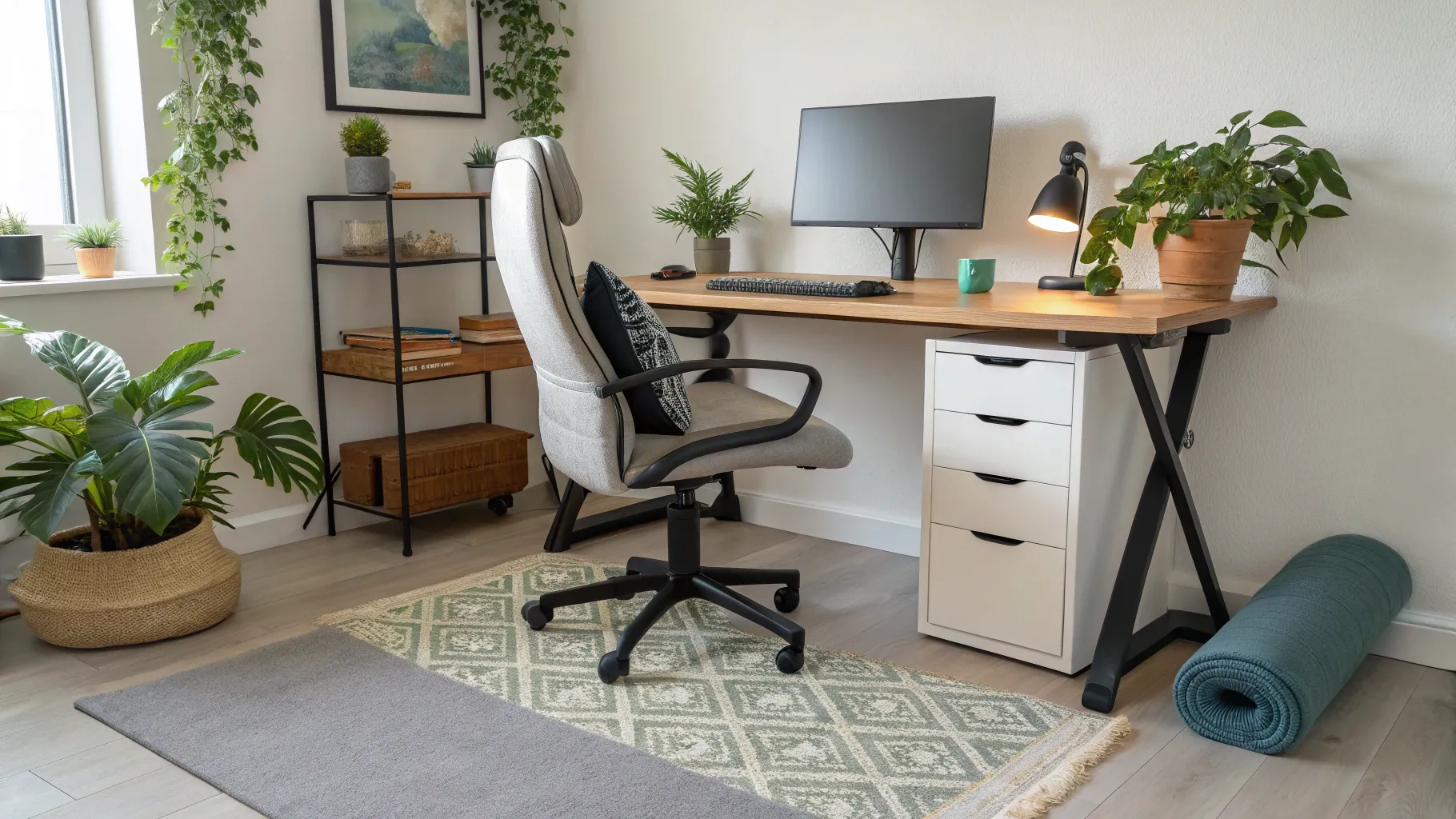
- Invest in Ergonomic Furniture: Ergonomic chairs and desks can support natural body alignment, significantly reducing the strain on your back during long hours of sitting.
- Schedule Regular Breaks: Utilize a timer or an app to remind yourself to stand, stretch, and shift your positions every 30 minutes. Such breaks can rejuvenate your muscles and relieve nerve pressure.
- Use Posture Aids: There are several apps available to remind you throughout the day to maintain good posture, encouraging mindfulness about how you carry yourself.
Everyday Habits That Worsen Sciatica Symptoms
It's essential to recognize the everyday habits that may be unwittingly aggravating your sciatica. Making simple adjustments based on your routines can significantly help alleviate discomfort. Among the most damaging are:
- Prolonged Sitting: Those long hours spent glued to your chair can compress the sciatic nerve. Incorporating more movement into your day—be it a short walk during lunch breaks or utilizing standing desks—can do wonders for your back health.
- Poor Lifting Techniques: Lifting heavy items incorrectly—like bending your back instead of your knees—can put undue strain on your lower back. Always remember: the right technique is to bend at your knees and keep the weight close to your body.
- Avoiding High-Impact Activities: Engaging in activities such as running on hard surfaces may exacerbate nerve pain. Instead, consider low-impact exercises like swimming or cycling that can strengthen your back without causing excess strain.
Just recently, I met Mark, a 38-year-old office employee who had struggled with chronic sciatica due to endless hours at his desk. After he revamped his workspace to include ergonomic furniture and introduced a routine of regular stretching breaks, he experienced significant relief from his pain. His story serves as a powerful example of how modifying daily habits can lead to substantial improvements in managing sciatica symptoms.
Lifestyle Choices and Their Impact on Sciatica Pain
Your lifestyle choices play a pivotal role in shaping the severity and frequency of sciatica episodes. Evidence suggests that engaging in regular physical activity strengthens the core and back muscles, resulting in less nerve compression. A study conducted in mid-2024 indicated that individuals who maintained a moderate exercise regime faced up to 25% less likelihood of experiencing sciatica.
Furthermore, maintaining a healthy weight is critical. Excess body weight contributes additional pressure on the spine and can hasten disc degeneration, a primary cause of sciatica pain. A recent health report highlighted that even modest weight loss could lead to notable improvements in sciatica symptoms, emphasizing the importance of a balanced diet and active lifestyle.
Mindfulness Practices and Stress Relief
Mental wellness is equally essential in managing sciatica pain. High stress levels lead to muscle tension, worsening pain sensations. Incorporating mindfulness practices such as yoga or meditation into your routine can yield significant benefits. Recent surveys found that individuals who practiced yoga reported a remarkable 40% decrease in pain and discomfort over three months.
Besides yoga, ensuring adequate sleep is crucial for muscle recovery and overall health. To promote better sleep hygiene, consider the following tips:
- Create a Sleep-Conducive Environment: Make your bedroom a sanctuary by keeping it dark, quiet, and cool, all of which conducive to deep, restorative sleep.
- Choose a Supportive Mattress: Investing in a high-quality mattress that supports your spine can drastically improve how you feel upon waking.
- Establish a Consistent Sleep Routine: Going to bed and waking at the same time each day can enhance your overall sleep quality and aid in recovery.
As research continues to uncover the intricate connections between daily habits and sciatica pain management, it’s clear that proactively making lifestyle adjustments contributes greatly to improving quality of life. Whether revising your workspace's ergonomics, maintaining a healthy weight through balanced nutrition, or integrating stress-relief activities, these strategies can create a path toward lasting relief and a more active life.
Living effectively with sciatica entails understanding and modifying the everyday habits that can influence your pain experience. By embracing even small changes—like enhancing posture, increasing activity levels, or managing stress—you can reclaim your comfort and significantly improve your daily life. Each step you take can lead to a healthier, happier existence free from the discomfort of sciatica.