Effective Foods for Psoriasis Management and Relief
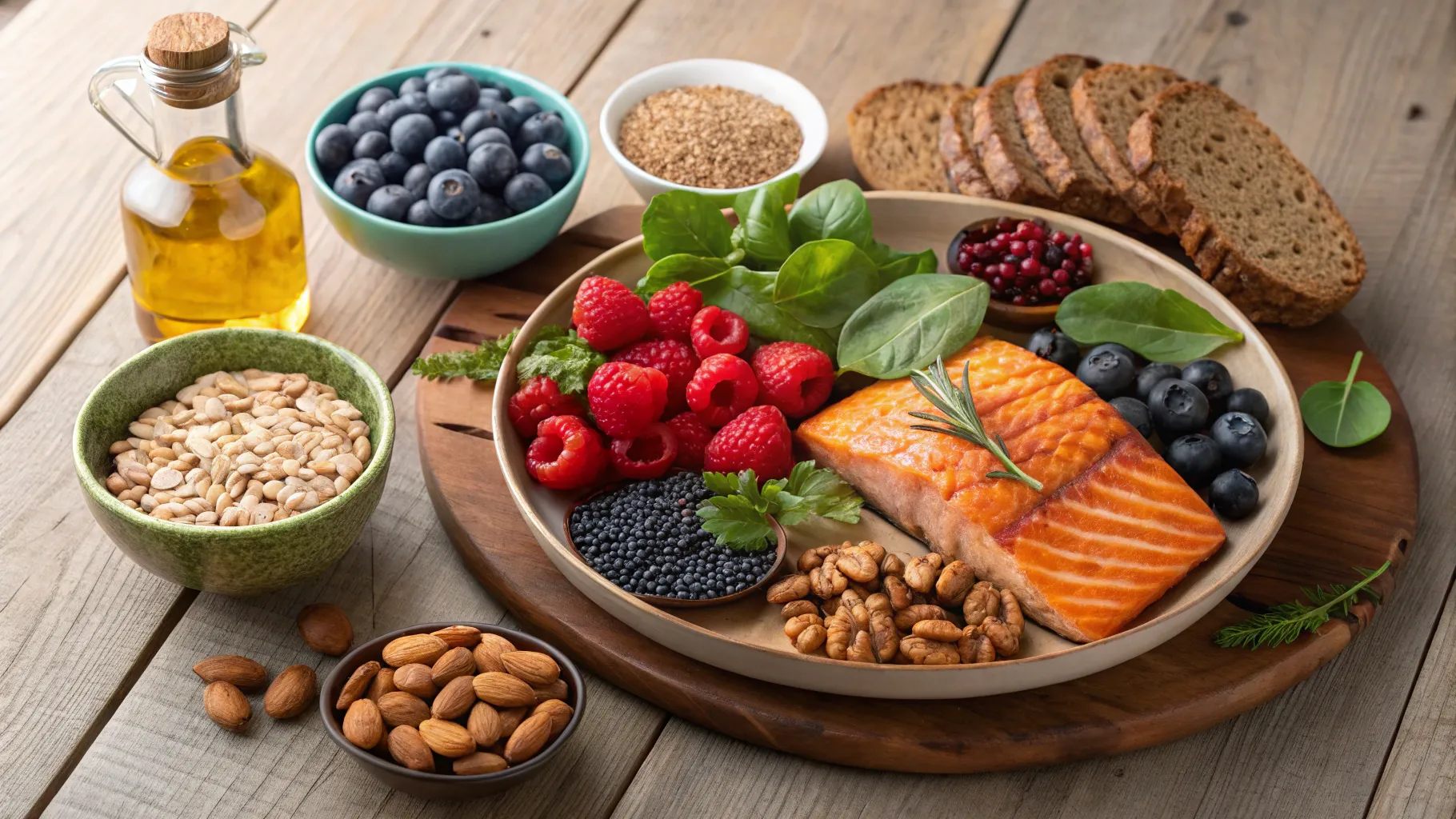
Foods That May Help Psoriasis Symptoms
Living with psoriasis can be a daunting challenge, affecting both physical comfort and emotional wellbeing. In 2025, more people are realizing the profound impact diet can have on managing psoriasis symptoms. Foods that may help psoriasis symptoms contribute to reducing inflammation, which is the root cause of many flare-ups. This article delves into diet and nutrition strategies for effective psoriasis management.
Understanding the Connection Between Nutrition and Psoriasis
Nutrition is linked to overall health and has been shown to play a significant role in inflammatory conditions, including psoriasis. Recent studies have highlighted that individuals with psoriasis often have higher levels of systemic inflammation due to their immune responses. A well-balanced, anti-inflammatory diet can mitigate these effects and enhance skin health.
For many, adopting an anti-inflammatory diet is not just about eliminating certain foods but also about incorporating a variety of nutrient-rich options that support the body’s ability to heal and maintain skin integrity. According to a clinical study conducted in early 2025, around 70% of participants experienced reduced symptoms when adhering to a diet rich in anti-inflammatory foods.
Key Foods for Psoriasis Diet Management
Here is a list of key foods that can be included in a psoriasis-friendly diet, promoting wellness and potentially alleviating symptoms:
- Fatty Fish: Salmon, mackerel, and sardines are rich in omega-3 fatty acids, which are known to reduce inflammation. A study published in the Journal of Dermatological Treatment in 2025 indicated that regular consumption of fatty fish among psoriasis patients led to significant symptom improvement.
- Fruits and Vegetables: These are packed with antioxidants and vitamins. Berries, oranges, spinach, and kale are particularly potent. They help fight oxidative stress, which can exacerbate psoriasis.
- Nuts and Seeds: Sources of healthy fats, magnesium, and vitamin E like walnuts, flaxseeds, and chia seeds have shown benefits in reducing inflammation.
- Whole Grains: Foods like brown rice, quinoa, and whole wheat bread provide fiber that can aid in gut health, which is increasingly recognized as a factor in skin disorders.
- Olive Oil: This healthy fat can replace less healthy fats, helping to lower inflammation and is rich in antioxidants.
Foods to Avoid for Better Management of Psoriasis
While there are many foods beneficial for psoriasis, it is equally important to understand which foods might aggravate symptoms. In 2025, common recommendations include:
- Processed Foods: Foods high in sugars and trans fats can lead to increased inflammation. Avoiding processed snacks, sugary drinks, and fast food can help manage flare-ups.
- Red Meat and Dairy: Some people find that red meat and full-fat dairy worsen their psoriasis symptoms. It’s advisable to monitor one’s reaction to these items and reduce intake if necessary.
- Gluten: There’s growing evidence suggesting that gluten may trigger inflammation in some individuals. Depending on personal sensitivity, a gluten-free diet may help.
- Alcohol: Excessive consumption can worsen psoriasis and should be limited. Even moderate drinking can have effects for some people.
Practical Tips for Following a Psoriasis Diet
Adopting a new diet doesn’t have to be overwhelming. Here are some practical tips to help you manage your psoriasis through nutrition effectively:
- Keep a Food Diary: Tracking what you eat can help identify foods that may trigger flare-ups. Many people have found that this strategy allows them to customize their diets based on what works for their bodies.
- Plan Your Meals: Meal prepping ensures you have healthy options available, reducing the temptation to opt for unhealthy or processed foods.
- Stay Hydrated: Drink plenty of water throughout the day. Proper hydration is essential for skin health and helps maintain overall body functions.
- Consult a Nutritionist: Working with a professional can provide personalized dietary strategies that align with your specific health needs.
Success Stories in Dietary Change
In 2025, many individuals have shared their journeys towards managing psoriasis through dietary changes. For instance, Sarah, a 32-year-old who struggled with plaque psoriasis for over a decade, began incorporating more omega-3 rich foods and leafy greens into her diet. After six months, Sarah reported a notable decrease in flare-ups and improved skin health.Similarly, Mark, who maintained a strict gluten-free diet, found significant relief from his symptoms, enabling him to enjoy activities he had previously avoided due to his condition.
These real-world examples highlight not only the potential benefits of dietary attention but also the importance of listening to one’s body and making informed food choices.
Nutrition’s Role in Psoriasis Management
As we navigate through 2025, understanding how nutrition affects psoriasis opens doors to new management strategies. Patients are increasingly aware of how their diets can impact their condition. With advances in nutritional research, health professionals can recommend tailored dietary plans ensuring that individuals are equipped to tackle their symptoms effectively.
Additionally, emerging research continues to explore unexplored avenues, including the gut-skin connection and its potential significance. We are learning that a proactive approach to diet could make a substantial difference in quality of life for those living with psoriasis.