Effective Diet Plan for Autoimmune Disease Management
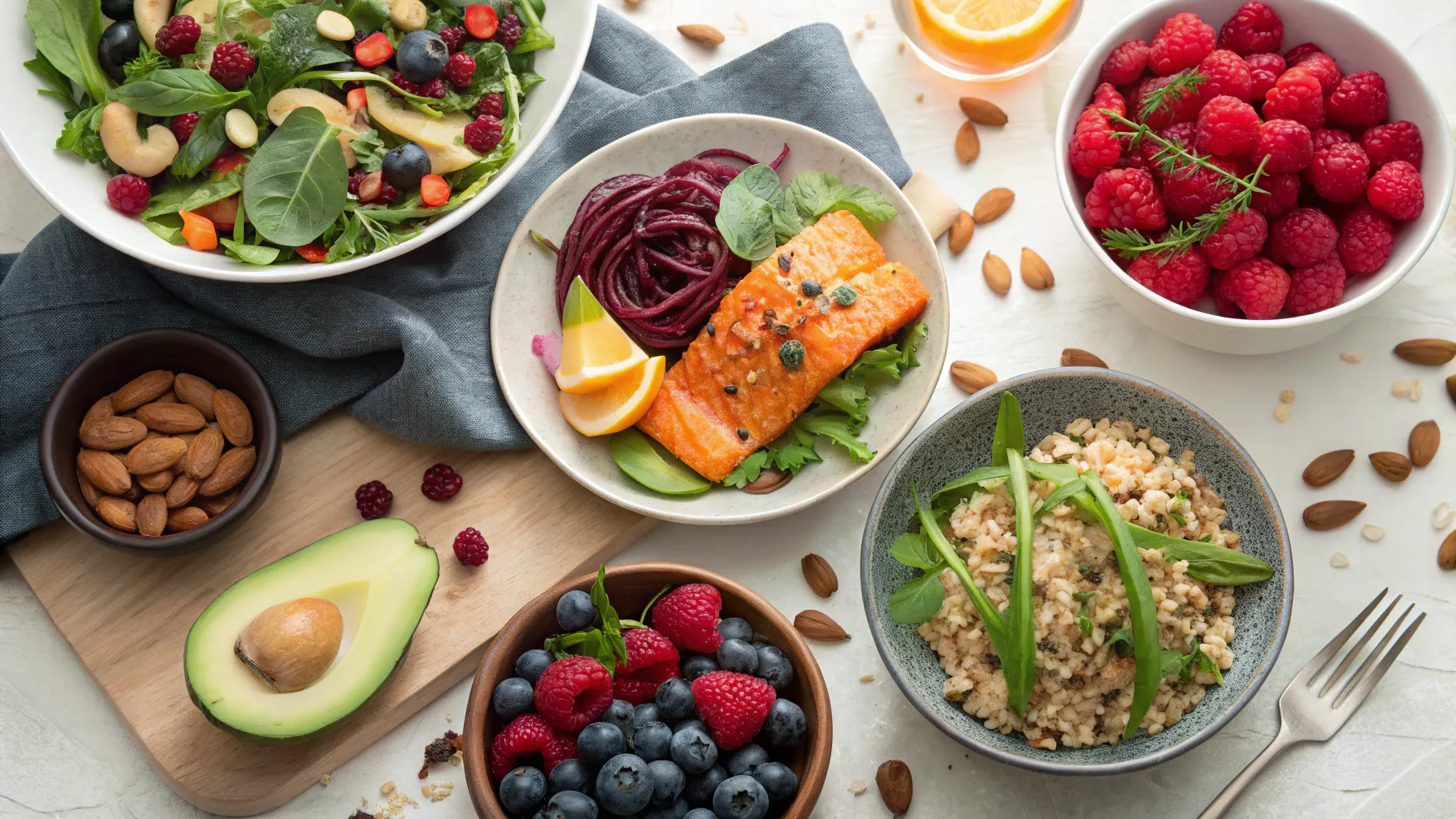
Exploring Healthy Eating Tips for Autoimmune Disease
In 2025, the conversation surrounding autoimmune diseases has become more important than ever. With a rising number of individuals receiving diagnoses that affect their immune systems, it's essential to understand how the right diet can play a pivotal role in managing these conditions. The intricate relationship between nutrition and autoimmune health highlights the necessity of a well-planned diet plan for autoimmune disease, aimed at alleviating symptoms and improving overall well-being.
Recent studies underscore a growing consensus: individuals with autoimmune disorders may significantly benefit from adopting a nutrient-dense, anti-inflammatory diet tailored to their unique needs. Below, we delve into actionable healthy eating tips designed to empower individuals managing autoimmune conditions.
Foods to Incorporate for Autoimmune Health
Choosing the right foods is foundational when it comes to managing autoimmune diseases. The goal is to fill your diet with elements that bolster immune function while simultaneously reducing inflammation. The following food categories have been recognized as particularly beneficial:
- Fruits and Vegetables: Vibrantly colored produce such as berries, leafy greens, and bell peppers are rich in antioxidants. A recent study from early 2025 highlights how foods high in antioxidants play a crucial role in mitigating oxidative stress—a common issue in autoimmune diseases. Regular consumption can lead to noticeable improvements in overall health.
- Healthy Fats: Incorporating sources like olive oil, avocados, and walnuts is key to lowering inflammation. Special attention should be given to omega-3 fatty acids found in fatty fish like salmon and mackerel, which have well-documented benefits for heart health and joint function, particularly in the context of autoimmune conditions.
- Lean Proteins: Prioritize animal proteins from grass-fed sources, poultry, and plant-based options like legumes. The role of protein in tissue repair and muscle maintenance cannot be understated, and data from 2024 showed that individuals adjusting their protein sources reported improved muscle function and reduced inflammatory symptoms.
- Fermented Foods: Fermented products such as yogurt, kefir, and kimchi are laden with probiotics that support gut health. Given the gut's integral role in immune function, regular intake of these foods can profoundly impact symptom management by fostering a balanced gut microbiome.
To harness the benefits of these foods, it's imperative to create a practical and enjoyable nutrition guide for autoimmune disease management. Here’s how to structure your meals for optimal health every day.
Meal Planning Essentials for Autoimmune Health
Engaging in effective meal planning serves as a powerful strategy to ensure you're consuming foods that promote healing and resilience. Below is a thoughtfully curated weekly meal plan tailored especially for individuals navigating autoimmune challenges. Adjust the components to suit personal tastes and dietary needs:
- Monday:
- Breakfast: A refreshing smoothie blending spinach, banana, and almond milk.
- Lunch: A hearty quinoa salad featuring chickpeas and a medley of mixed vegetables.
- Dinner: Succulent grilled salmon accompanied by roasted sweet potatoes and steamed broccoli.
- Tuesday:
- Breakfast: Creamy overnight oats adorned with a selection of berries and chia seeds.
- Lunch: A turkey wrap created with crisp lettuce leaves, layered with avocado and ripe tomatoes.
- Dinner: A colorful stir-fry combining chicken, bell peppers, and nourishing brown rice.
- Wednesday:
- Breakfast: Silky yogurt graced with nuts and a drizzle of honey for sweetness.
- Lunch: A warm, soothing lentil soup featuring fresh spinach.
- Dinner: Delightful zucchini noodles topped with fresh pesto and grilled shrimp.
- Thursday:
- Breakfast: Fluffy scrambled eggs with a sauté of spinach and onions.
- Lunch: A vibrant salad made with beets, arugula, and crunchy walnuts.
- Dinner: Baked chicken thighs served with roasted asparagus and a side of quinoa.
- Friday:
- Breakfast: Delectable chia pudding prepared with coconut milk and fresh mango.
- Lunch: A colorful plate of grilled vegetables paired with hummus.
- Dinner: Tender roast beef accompanied by a medley of root vegetables.
- Saturday:
- Breakfast: An invigorating smoothie bowl topped with an array of fruits and seeds.
- Lunch: A satisfying quinoa and black bean bowl layered with creamy avocado.
- Dinner: Whole roasted chicken served alongside freshly steamed green beans.
- Sunday:
- Breakfast: A delectable omelet filled with mushrooms, cheese, and tomatoes.
- Lunch: Spinach salad topped with grilled chicken for a protein boost.
- Dinner: A fragrant vegetable curry served with wholesome brown rice.
This sample meal plan provides a balanced framework designed to combat inflammation and enhance overall health. A well-structured meal plan can be a vital ally for those seeking to regain control of their autoimmune condition.
Additional Healthy Eating Tips for Autoimmune Disease
Alongside a nutritious diet rich in anti-inflammatory foods, consider implementing the following strategies to elevate your eating experience:
- Stay Hydrated: It’s essential to consume an adequate amount of water daily—aim for at least eight glasses—to maintain optimal bodily function and hydration.
- Listen to Your Body: Tune into how various foods affect your well-being. Maintaining a food diary can help unveil any food sensitivities or triggers.
- Minimize Processed Foods: Stay away from foods laden with sugars and artificial additives, as these can worsen symptoms. Opt for whole, unprocessed foods whenever possible.
- Incorporate Supplements: Certain individuals find success with supplements such as Vitamin D3 or omega-3 fish oils; consulting a healthcare provider can help identify what is beneficial for your specific condition.
Embarking on the journey of dietary changes requires patience and commitment, but by integrating these guidelines and meal plans into your daily routine, managing an autoimmune condition through diet becomes more attainable and fulfilling. The power to improve your health is within your reach, taking small yet impactful steps toward a better future.