Effective Creams for Leg Pain Relief and Sore Muscles
Exploring Creams for Leg Pain Relief
Leg pain can be a persistent issue affecting people of all ages, from athletes recovering from intense workouts to older adults seeking relief from chronic conditions. Fortunately, the market today is flooded with various options, including topical treatments that can provide quick relief. In this guide, we will delve into the different creams for leg pain relief, discussing the best ingredients, the options available over-the-counter, and how they can effectively address muscle and joint discomfort.
Topical Treatments for Leg Pain
Topical creams, gels, and ointments can be a first-line treatment for leg pain, helping to alleviate soreness and inflammation with immediate effects. These products are designed to be applied directly to the skin over the affected area, allowing for targeted relief. But what makes a cream effective?
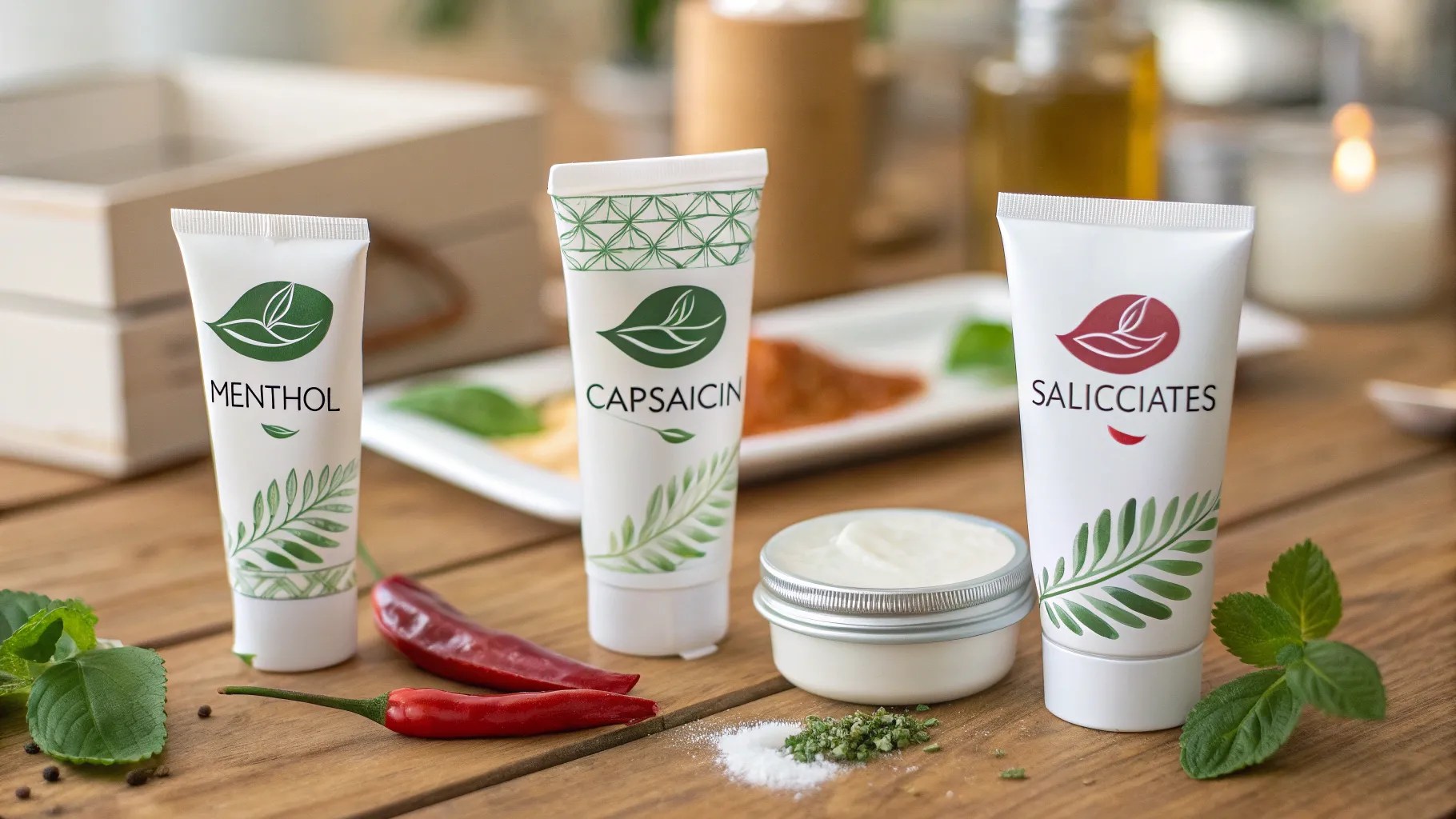
- Active Ingredients: The best pain relief creams contain scientifically backed ingredients that provide therapeutic effects. Common active ingredients include menthol, capsaicin, and salicylates, which have been shown to reduce pain and inflammation.
- Absorbability: It’s important for creams to have good absorbability so that the active ingredients penetrate deeply into muscle and tissue. Look for formulations that enhance transdermal delivery.
- Moisturizing Elements: Creams that also contain moisturizing components can help soothe the skin, making them more pleasant to use.
According to recent studies, about 60% of adults report having experienced leg pain, yet many do not seek treatment. This highlights the importance of accessible relief options like topical treatments. Over the past six months, reports indicate that sales of these products have increased as more people turn to non-invasive treatments to manage discomfort.
Best Ingredients in Pain Relief Creams
Identifying the right ingredients can elevate the effectiveness of over-the-counter creams for sore legs. Here are some of the most beneficial ingredients:
- Menthol: Known for its cooling effect, menthol can distract the brain from pain signals and is often included in many topical analgesics. It works quickly and provides a sense of relief.
- Capsaicin: Derived from chili peppers, capsaicin works by depleting the neurotransmitter that transmits pain signals, making it an effective long-term solution.
- Salicylates: Commonly found in products like Bengay and Icy Hot, salicylate compounds reduce inflammation and provide pain relief. They function similarly to aspirin but are safe for topical application.
- Camphor: Another natural remedy, camphor creates a warming sensation that can help improve blood flow and relieve muscle tightness and pain.
Many consumers have reported significant relief from muscle and joint pain after using products containing these ingredients. The convenience of applying a cream makes it highly appealing, especially when one can simply massage it into the sore area after a long day.
How Creams Can Help with Muscle and Joint Pain in Legs
Muscle and joint pain in the legs can stem from various sources, including exercise, aging, and medical conditions like arthritis or sciatica. Here is how topical creams come into play:
- Rapid Relief: Topical creams can provide rapid relief, making them preferable for athletes who need to soothe sore muscles quickly after workouts.
- Targeted Treatment: Unlike oral medications that are dispersed throughout the body, topical creams deliver medication directly where it is needed most, minimizing side effects and maximizing effectiveness.
- Ease of Use: Many people find applying creams easier and more convenient than taking pills, especially for individuals who struggle with swallowing or prefer not to ingest medication.
In recent cases, physical therapists have begun to recommend specific creams alongside traditional therapies for patients dealing with sports injuries or chronic pain conditions. This integrated approach takes into account the lifestyle and medical needs of individuals, ensuring a holistic method to pain relief. The American Physical Therapy Association recently highlighted studies from 2024 confirming the effectiveness of topical agents in conjunction with rehabilitation exercises.
The Future of Pain Management with Topical Treatments
As the popularity of topical pain relief creams grows, so does the research backing their efficacy. Here’s a glimpse into how the industry is evolving:
- Innovation: Companies are constantly innovating to enhance the formulations, focusing on improving the absorption of active ingredients.
- Customization: There is a rise in personalized pain relief creams, where the formulation can be adjusted based on individual pain profiles.
- Accessibility: More brands are emerging in the over-the-counter space, making pain relief widely accessible without prescription barriers.
During the past six months, significant advancements in topical treatment technologies have also been noted, including the introduction of patches infused with pain relief ingredients, further expanding the options for users who prefer non-cream formulations. As trends shift towards more natural and holistic pain management solutions, topical treatments stand out as a leading choice for many.
If you’re looking to alleviate leg pain without resorting to oral medications or invasive procedures, exploring the variety of topical creams on the market today could be your best option. Make sure to read labels, understanding the active ingredients, and choose a product that meets your specific needs.